Property Personal Selling With Example In San Antonio
Description
Get your form ready online
Our built-in tools help you complete, sign, share, and store your documents in one place.
Make edits, fill in missing information, and update formatting in US Legal Forms—just like you would in MS Word.
Download a copy, print it, send it by email, or mail it via USPS—whatever works best for your next step.
Sign and collect signatures with our SignNow integration. Send to multiple recipients, set reminders, and more. Go Premium to unlock E-Sign.
If this form requires notarization, complete it online through a secure video call—no need to meet a notary in person or wait for an appointment.
We protect your documents and personal data by following strict security and privacy standards.

Make edits, fill in missing information, and update formatting in US Legal Forms—just like you would in MS Word.

Download a copy, print it, send it by email, or mail it via USPS—whatever works best for your next step.

Sign and collect signatures with our SignNow integration. Send to multiple recipients, set reminders, and more. Go Premium to unlock E-Sign.

If this form requires notarization, complete it online through a secure video call—no need to meet a notary in person or wait for an appointment.

We protect your documents and personal data by following strict security and privacy standards.
Looking for another form?

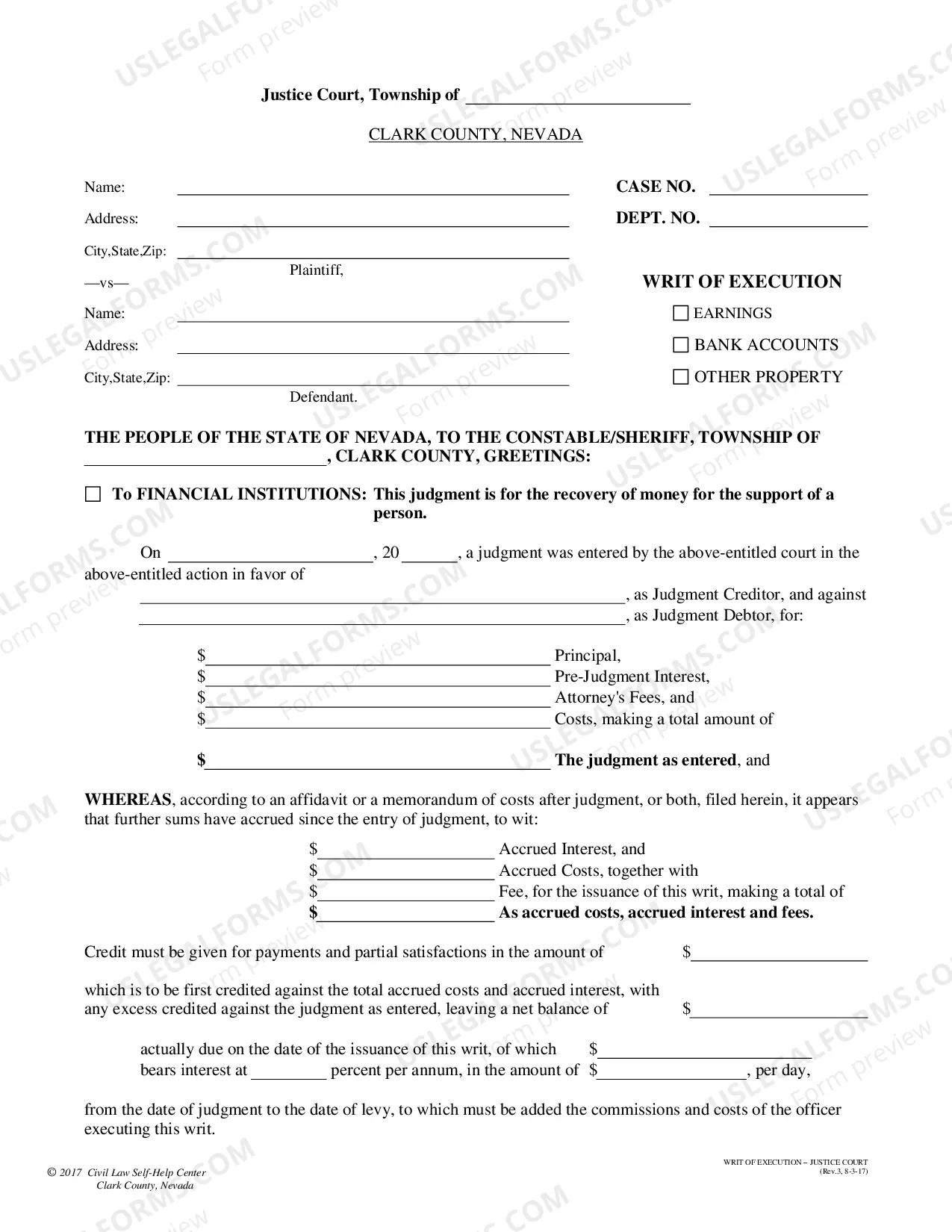




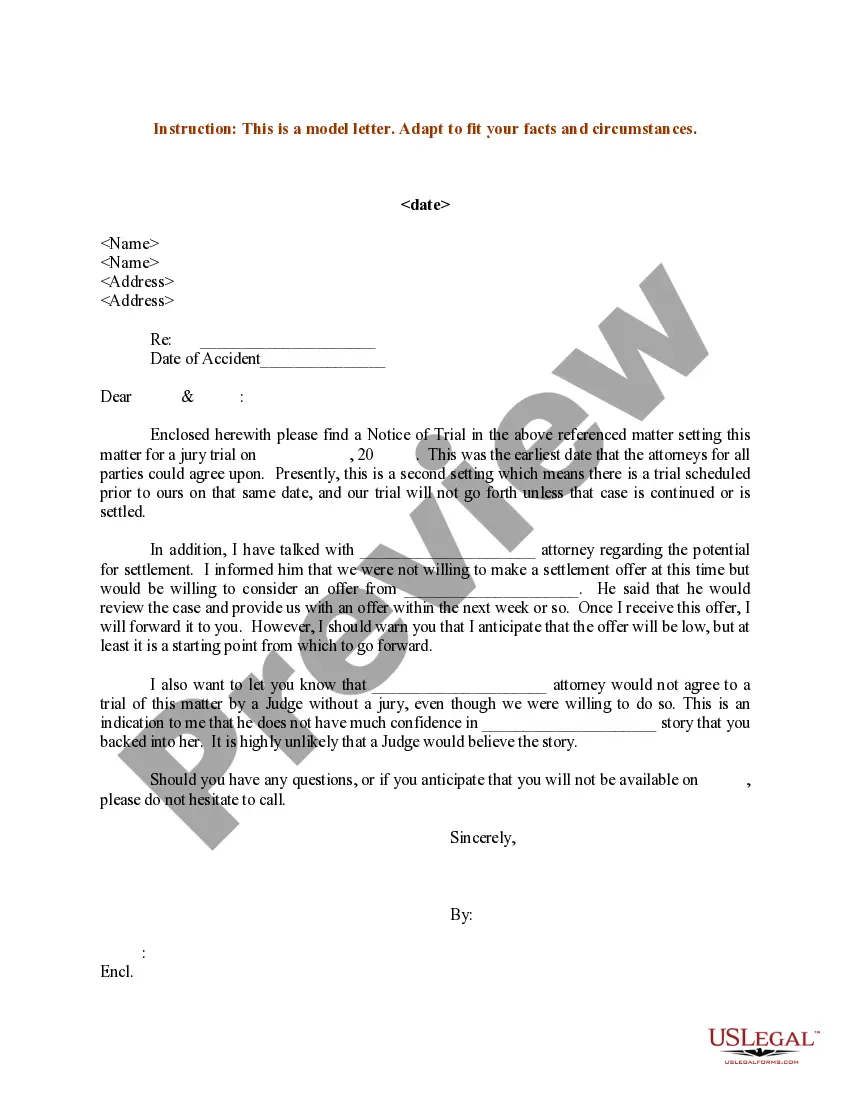
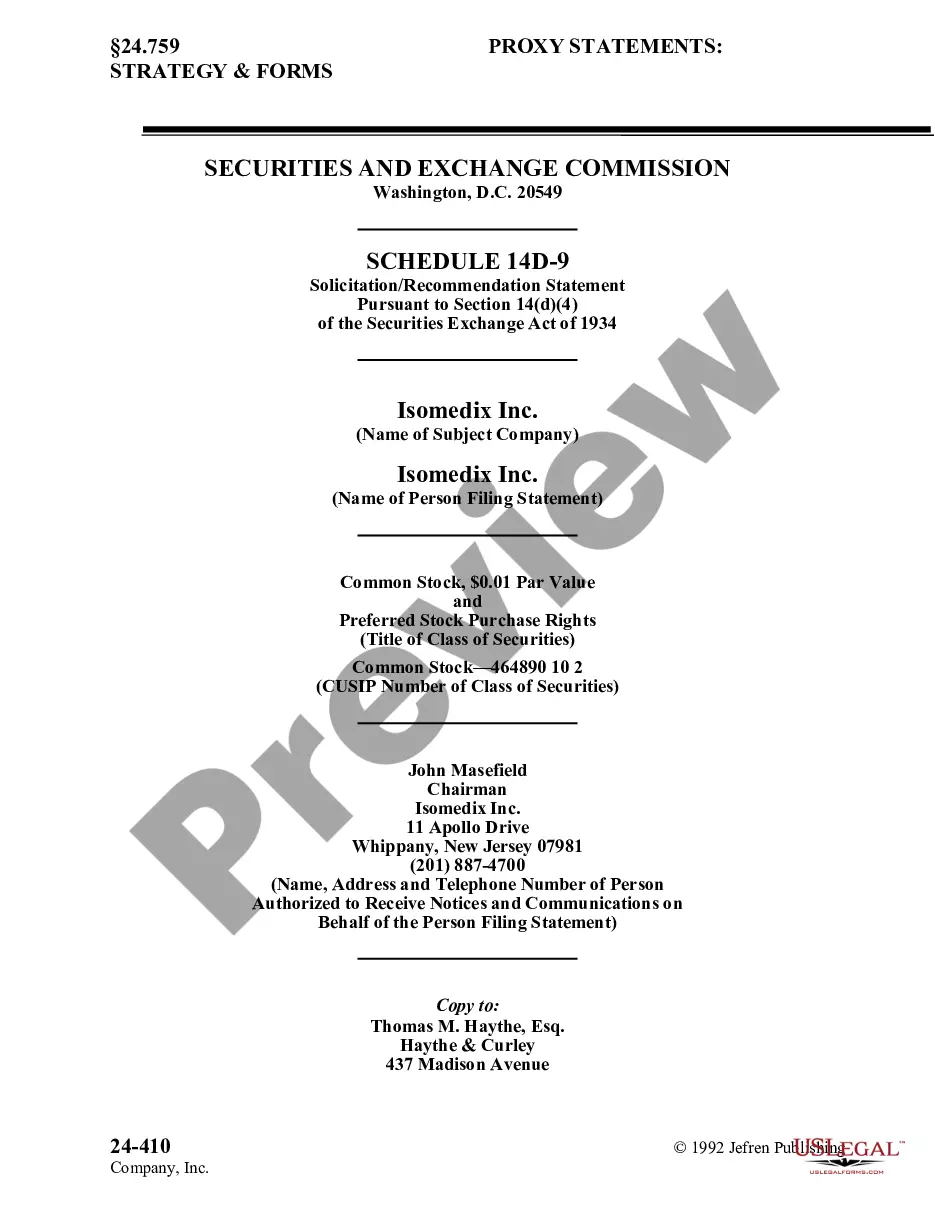
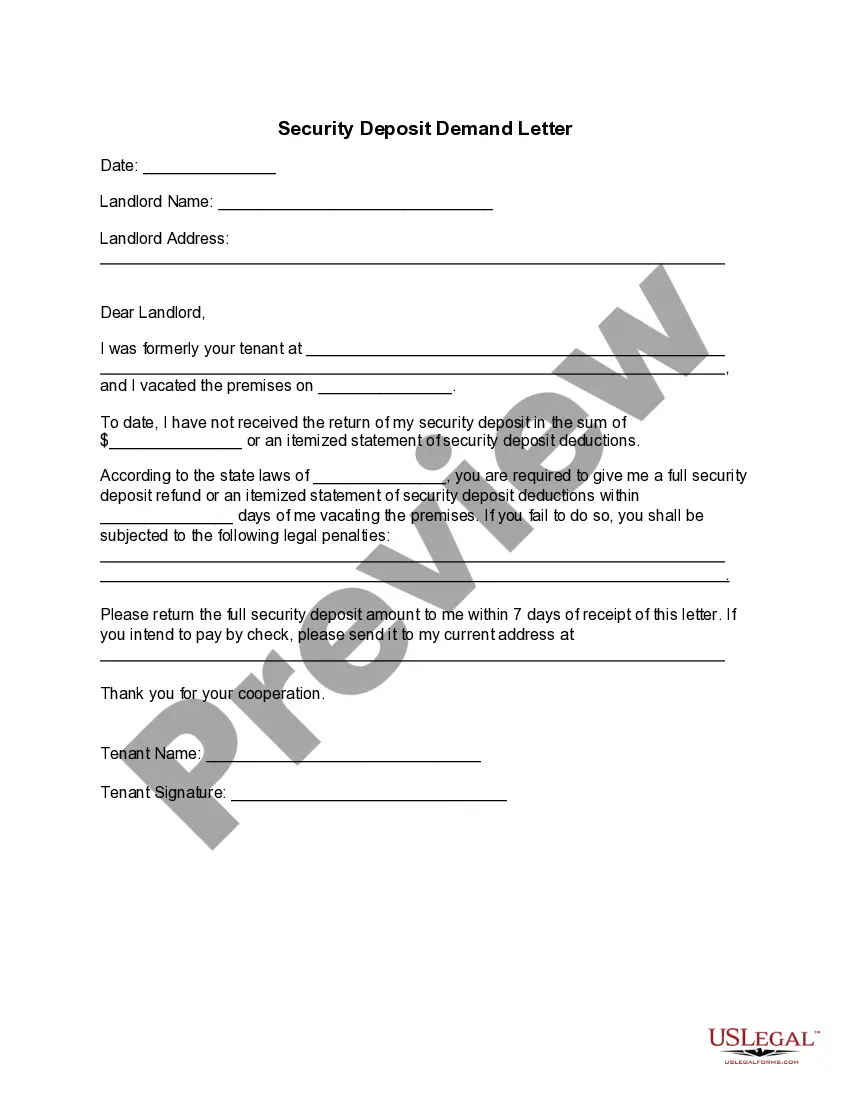

Form popularity
FAQ
Good property description example The spacious living area features floor-to-ceiling windows that flood the space with natural light, while the kitchen is equipped with stainless steel appliances and granite countertops. The master bedroom offers a peaceful oasis with a spa-like master bath and walk-in closet.
Let's look at another headline in a house for sale description example: “Hard to find, well-maintained brick rancher in the heart of Myers Park.” In this headline, the listing agent lets the buyer know where the property is and what makes it special in short order.
But the best ones usually have these important elements: Authenticity. The whole idea of sending letters to find potential clients is based on being real. Personal Touch. Writing your letters by hand is a good idea because it shows you care. Proof of Credibility. Clear Benefits. A Call to Action.
Here's what to highlight in your property description: Recent renovations and upgrades. Notable brands of appliances, flooring, lighting, etc. Lot size. Basement/garage. Additional features: pool, fireplace, deck, etc. Unique characteristics: historic property, ocean views, etc.
As a debrief, a spouse's separate property consists of the following: the property owned or claimed by the spouse before marriage; the property acquired by the spouse during marriage by gift, devise, or descent; and.
Yes, Texas recognizes handwritten bills of sale as valid, as long as they contain all the necessary information and are signed by both the buyer and the seller. However, using a typed or printed document is generally more legible and professional.
"Personal property" in Texas refers to items that a person owns. These things can be tangible—like a vehicle or household furniture—or intangible, like intellectual property. Personal property is not attached to real property and can be moved.
Hire A Real Estate Agent For Professional Help Hiring a real estate agent or real estate attorney can help iron out the process for both parties. They can enforce contracts and fees, draw up the paperwork, identify required property disclosures, review important documents and ensure the home sells at fair market value.
For taxation purposes, there are two basic types of property: real property (land, buildings, and other items attached to land) and personal property (property that can be owned and is not permanently attached to the land or building such as inventory, furniture, fixtures, equipment and machinery).
Texas law describes when certain forms of personal property are "presumed abandoned." "Personal property" can include things like bank accounts, gift cards, utility deposits, paychecks, safe deposit boxes, and more.

