Private Property For Business In New York
Description
Get your form ready online
Our built-in tools help you complete, sign, share, and store your documents in one place.
Make edits, fill in missing information, and update formatting in US Legal Forms—just like you would in MS Word.
Download a copy, print it, send it by email, or mail it via USPS—whatever works best for your next step.
Sign and collect signatures with our SignNow integration. Send to multiple recipients, set reminders, and more. Go Premium to unlock E-Sign.
If this form requires notarization, complete it online through a secure video call—no need to meet a notary in person or wait for an appointment.
We protect your documents and personal data by following strict security and privacy standards.

Make edits, fill in missing information, and update formatting in US Legal Forms—just like you would in MS Word.

Download a copy, print it, send it by email, or mail it via USPS—whatever works best for your next step.

Sign and collect signatures with our SignNow integration. Send to multiple recipients, set reminders, and more. Go Premium to unlock E-Sign.

If this form requires notarization, complete it online through a secure video call—no need to meet a notary in person or wait for an appointment.

We protect your documents and personal data by following strict security and privacy standards.
Looking for another form?



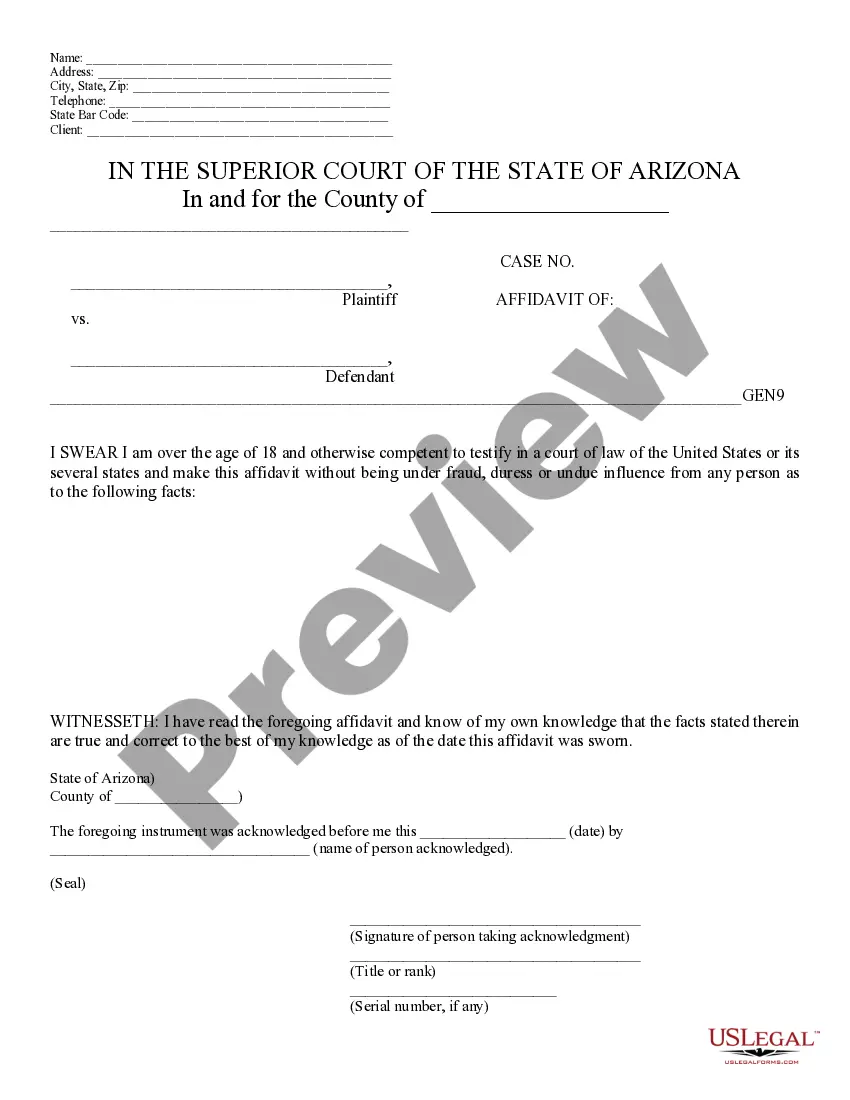
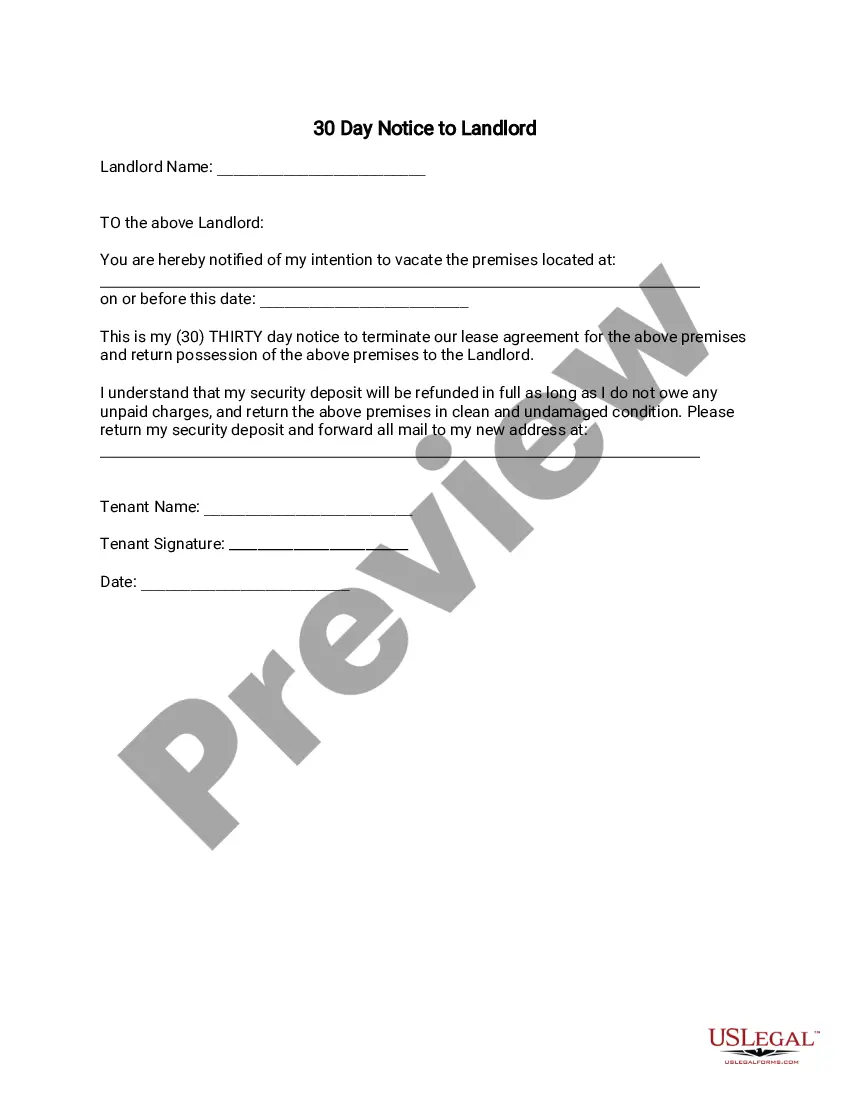





Form popularity
FAQ
Yes, but limitations apply. Section 12-10 of the Zoning Resolution defines “home occupations” and limits them to 25% of the size of home, or 500 square feet, whichever is less. Home-based businesses may only sell goods produced on site, and must not impact the character of the residential area.
Factories and corporations are considered private property. The legal framework of a country or society defines some of the practical implications of private property. There are no expectations that these rules will define a rational and consistent model of economics or social system.
What are non-taxable items or sales tax exemptions in NY? Services are generally exempt, unless specifically taxable. Certain groceries. Menstrual hygiene products. Newspapers and periodicals. College textbooks. Over-the-counter and prescription drugs and medicines.
It depends on the business. Many are privately owned and the property they are on is private property. However there are difference types of businesses and some use public spaces.
If your business or organization owns a lot of equipment, you might decide to move your business to New York, where only real property (like land and the structures attached to it) are subject to taxation.
Twelve states currently do not tax business personal property. These states include Delaware, Hawaii, Illinois, Iowa, Minnesota, New Hampshire, New Jersey, New York, North Dakota, Ohio, Pennsylvania, and South Dakota.
Private property refers to the ownership of property by private parties - essentially anyone or anything other than the government. Private property may consist of real estate, buildings, objects, intellectual property (copyright, patent, trademark, and trade secrets).
Private property refers to the ownership of property by private parties - essentially anyone or anything other than the government. Private property may consist of real estate, buildings, objects, intellectual property (copyright, patent, trademark, and trade secrets).
Privately or closely held businesses, are those for which there is no public ownership of its shares or assets. Although closely held businesses tend to be small, family owned, or jointly owned by a small group of people, they can also be large or wholly owned subsidiaries of major publicly traded companies.

