Stockholders Meeting Corporate For Ignate Inc In Riverside
Description
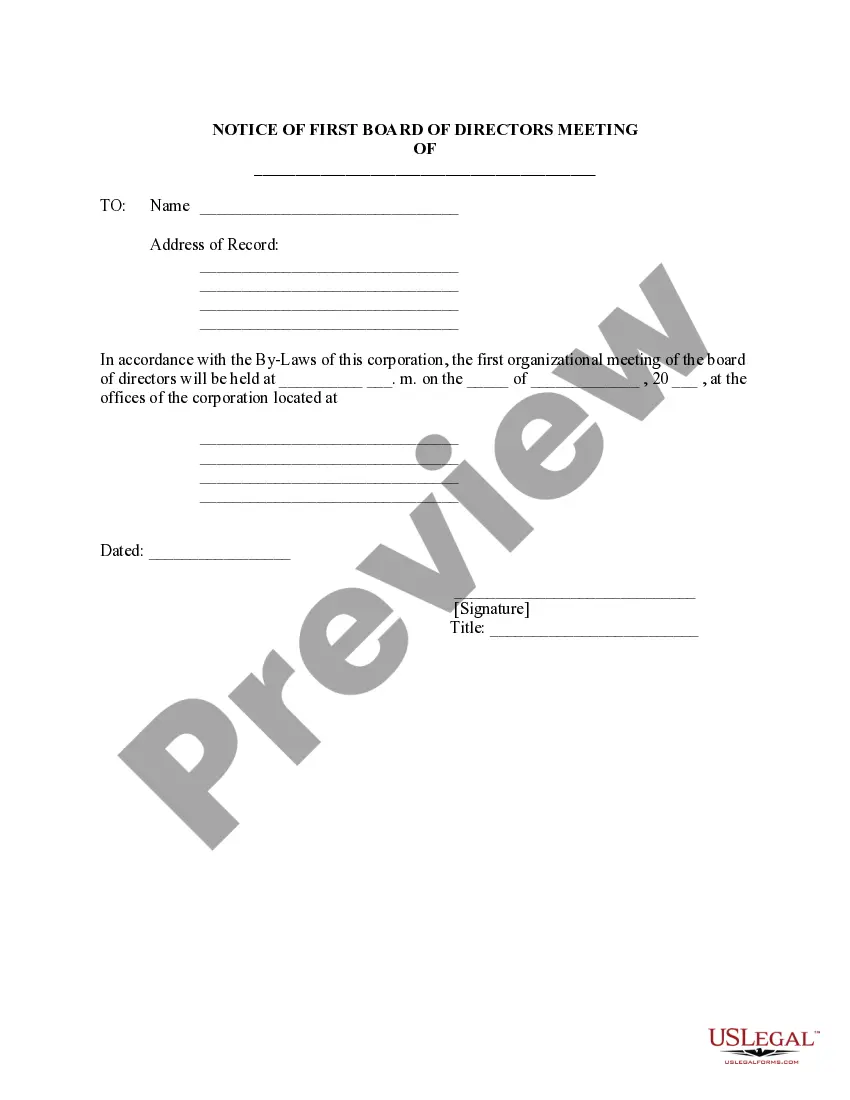


Get your form ready online
Our built-in tools help you complete, sign, share, and store your documents in one place.
Make edits, fill in missing information, and update formatting in US Legal Forms—just like you would in MS Word.
Download a copy, print it, send it by email, or mail it via USPS—whatever works best for your next step.
Sign and collect signatures with our SignNow integration. Send to multiple recipients, set reminders, and more. Go Premium to unlock E-Sign.
If this form requires notarization, complete it online through a secure video call—no need to meet a notary in person or wait for an appointment.
We protect your documents and personal data by following strict security and privacy standards.

Make edits, fill in missing information, and update formatting in US Legal Forms—just like you would in MS Word.

Download a copy, print it, send it by email, or mail it via USPS—whatever works best for your next step.

Sign and collect signatures with our SignNow integration. Send to multiple recipients, set reminders, and more. Go Premium to unlock E-Sign.

If this form requires notarization, complete it online through a secure video call—no need to meet a notary in person or wait for an appointment.

We protect your documents and personal data by following strict security and privacy standards.
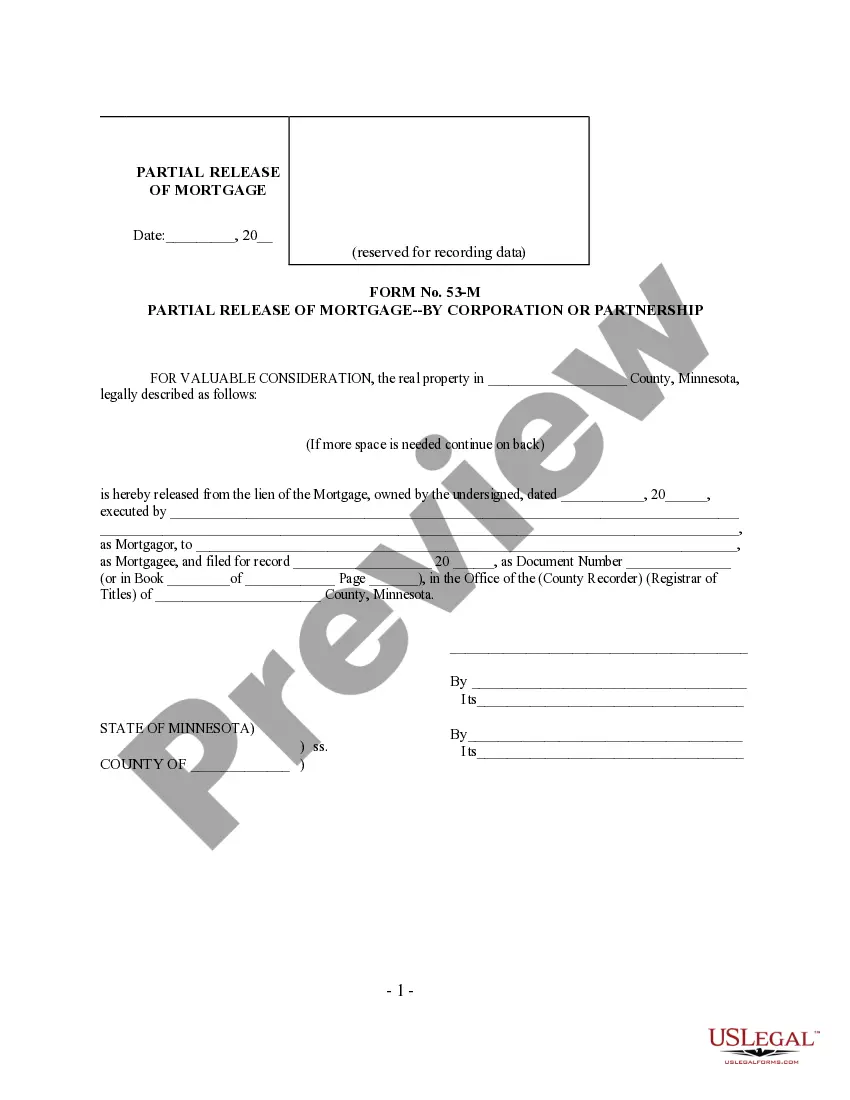
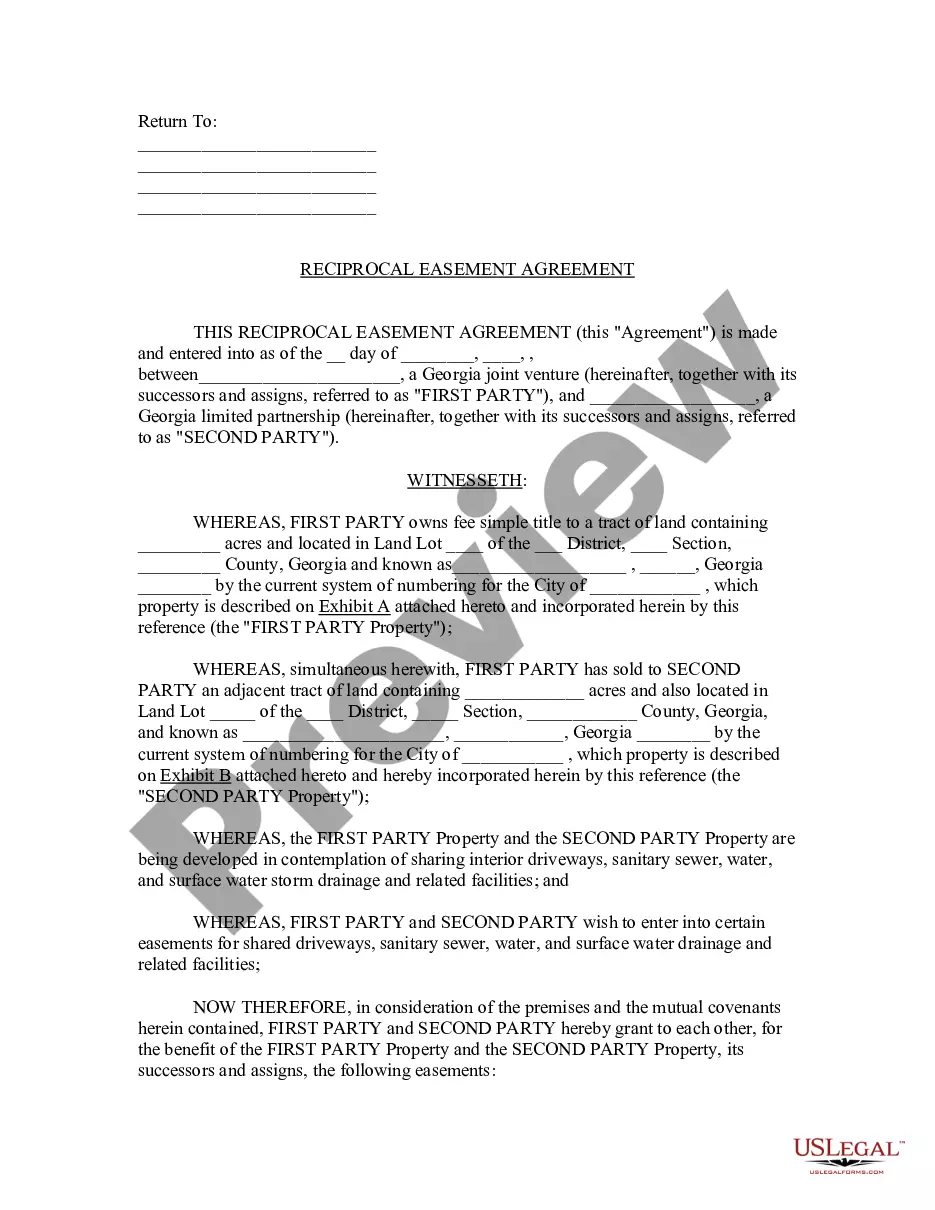
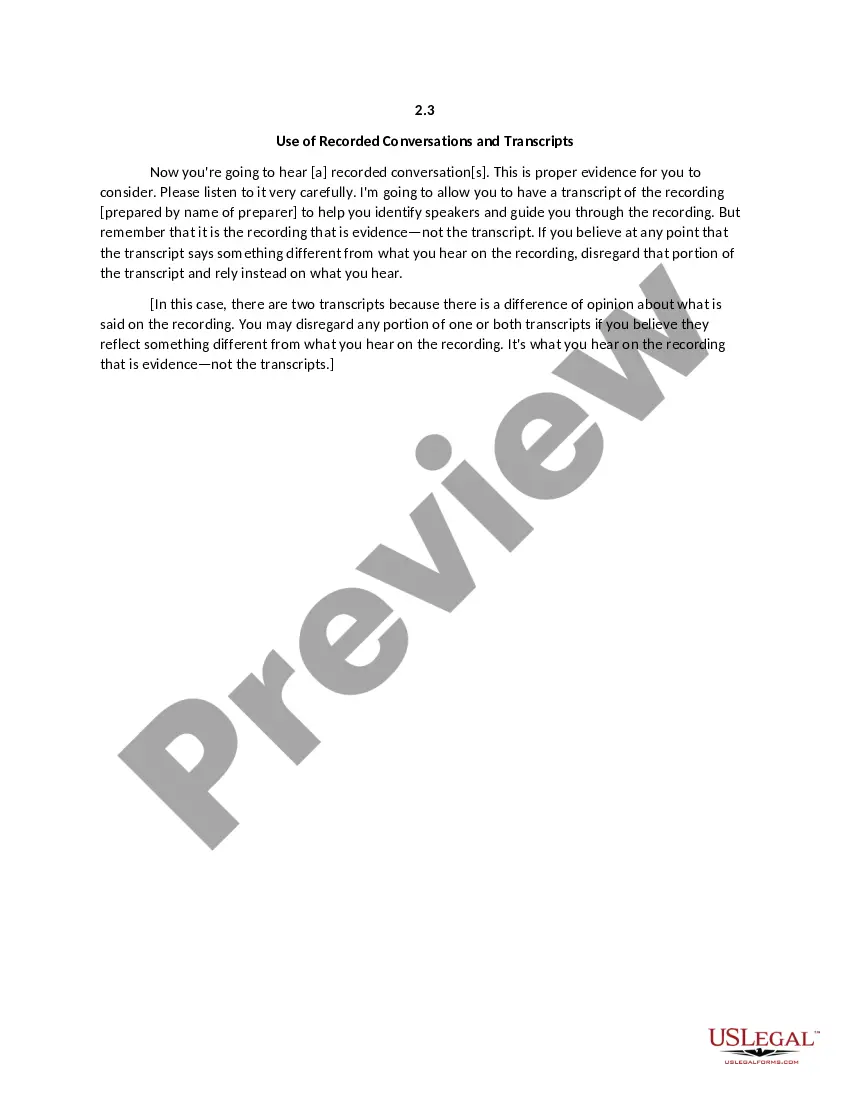
Looking for another form?






Form popularity
FAQ
While every board member is a shareholder, not every shareholder is automatically a board member. Shareholders who own a certain percentage of the company's shares (usually 10 percent or more) are eligible to serve on the board. However, they must be nominated and elected by the other shareholders.
Shareholders' meeting. A shareholders' meeting is a meeting held by the shareholders of a company to discuss the arrangements of the company or to vote in the election of board members.
What is the Shareholders' Meeting? The Shareholders' Meeting represents the body, which voices corporate interest by decisions taken in compliance with the law and the Articles of Association. More specifically, the Shareholders' Meeting nominates the Board of Directors for a period not exceeding 3 financial years.
The primary purpose of annual meetings is to allow shareholders to elect the directors responsible for overseeing the company and its strategic direction. Shareholders may also be asked to vote on matters proposed by management or other shareholders.
While shareholders' meetings represent ownership, board meetings embody the company's leadership. The board of directors, acting as a bridge between management and shareholders, is responsible for making strategic decisions, overseeing management, and safeguarding the company's long-term interests.
Follow these steps to host an annual shareholder meeting. Planning and Preparation. A successful annual shareholder meeting requires detailed preparation. Notification to Shareholders. Organize the Meeting Logistics. Conducting the Meeting. Post-Meeting Follow-Up.
What is an Annual Shareholder Meeting? As the name implies, an annual general meeting (AGM) is a yearly meeting where shareholders and board members converge to discuss business matters, review financial reports, and vote on the election or removal of company directors.
A General Meeting is simply a meeting of shareholders and 21 days' notice must be given to shareholders, but this can be reduced to 14 days, or increased to 28 days, in certain situations.
15 Basic Questions for shareholders to ask at the AGM Current financial position? ... Has the Board checked its figures – how was it done, show how it was robust? How has the Board minimised/limited/managed possible exchange rate fluctuations? Does the Board's plan for the future need working capital – how will it raise it?
Annual General Meeting (AGM) During these meetings, corporate board members present annual financial reports and accounts to be ratified by shareholders. Shareholders can also question board decisions and vote on the appointment, election, or removal of company directors.
