First Stockholders Meeting Format In Pennsylvania
Description
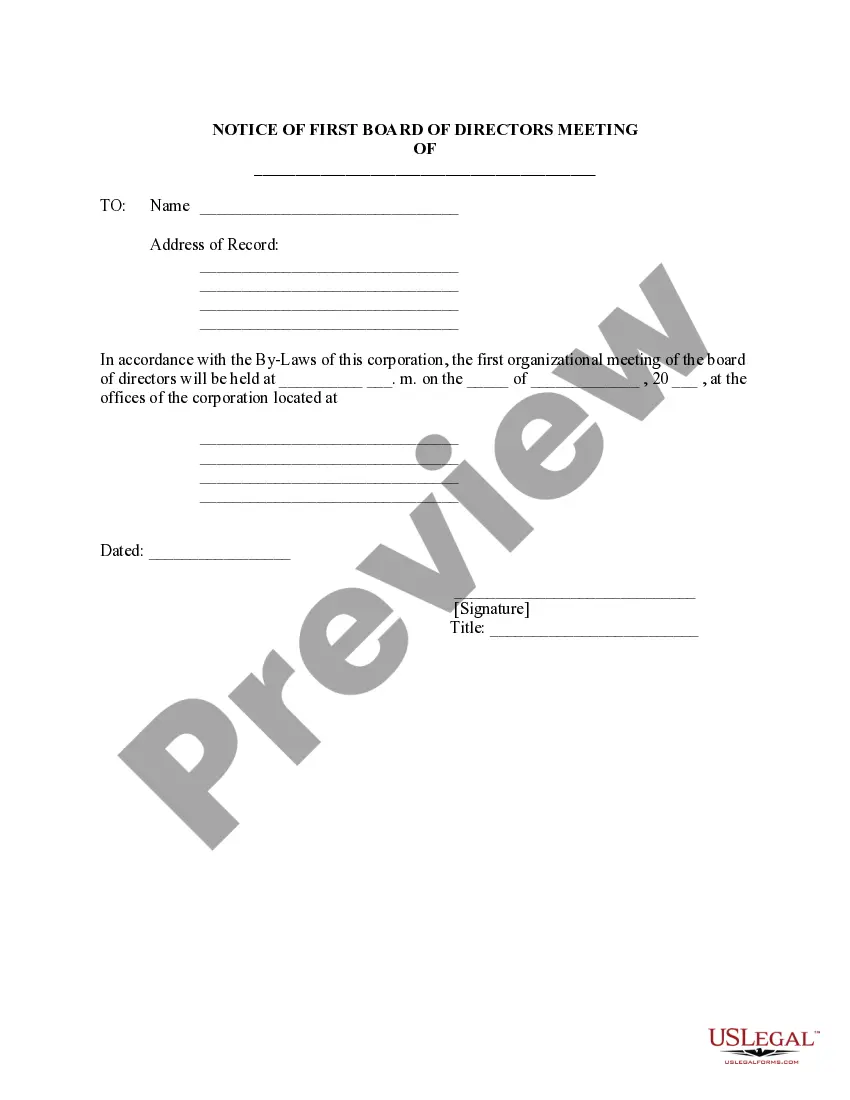


Get your form ready online
Our built-in tools help you complete, sign, share, and store your documents in one place.
Make edits, fill in missing information, and update formatting in US Legal Forms—just like you would in MS Word.
Download a copy, print it, send it by email, or mail it via USPS—whatever works best for your next step.
Sign and collect signatures with our SignNow integration. Send to multiple recipients, set reminders, and more. Go Premium to unlock E-Sign.
If this form requires notarization, complete it online through a secure video call—no need to meet a notary in person or wait for an appointment.
We protect your documents and personal data by following strict security and privacy standards.

Make edits, fill in missing information, and update formatting in US Legal Forms—just like you would in MS Word.

Download a copy, print it, send it by email, or mail it via USPS—whatever works best for your next step.

Sign and collect signatures with our SignNow integration. Send to multiple recipients, set reminders, and more. Go Premium to unlock E-Sign.

If this form requires notarization, complete it online through a secure video call—no need to meet a notary in person or wait for an appointment.

We protect your documents and personal data by following strict security and privacy standards.
Looking for another form?



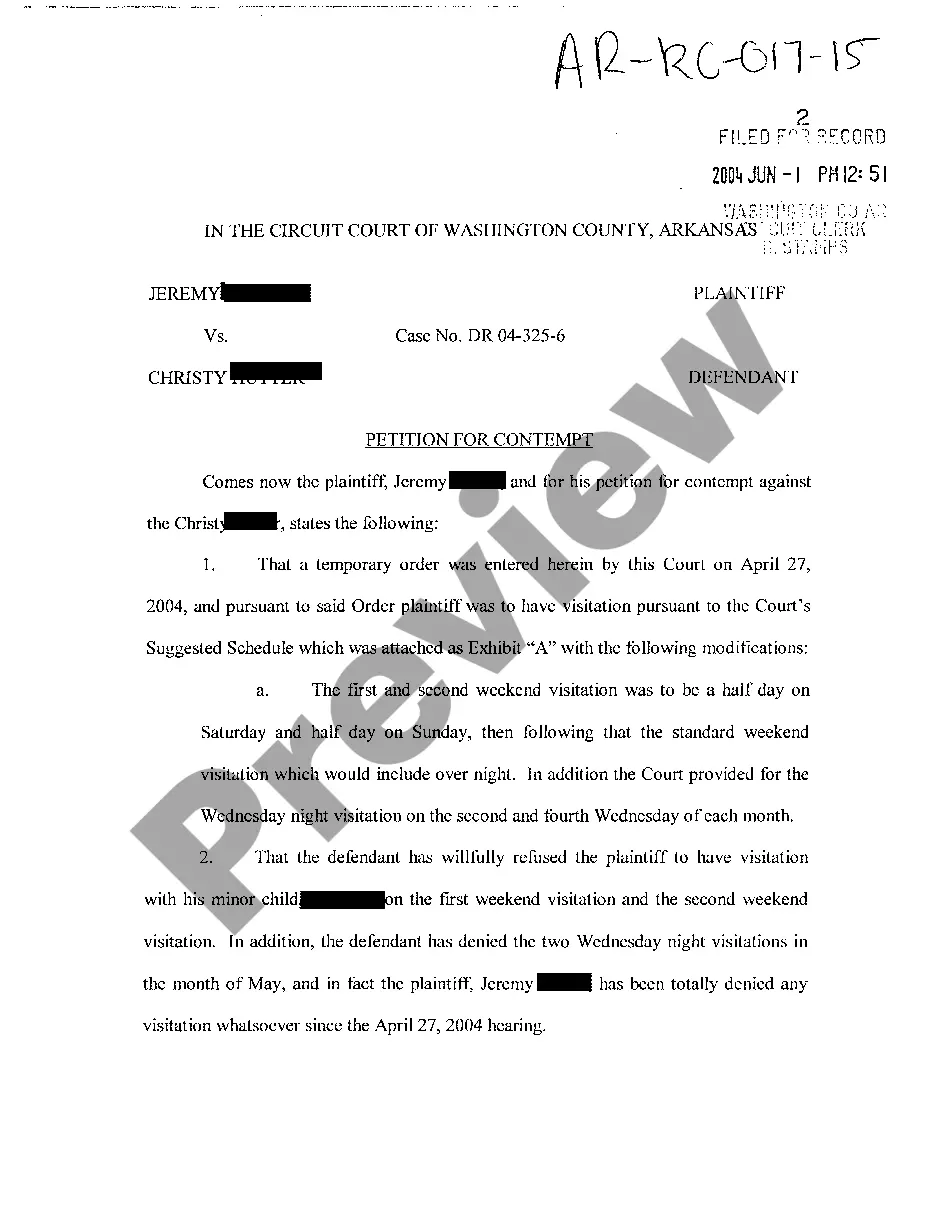
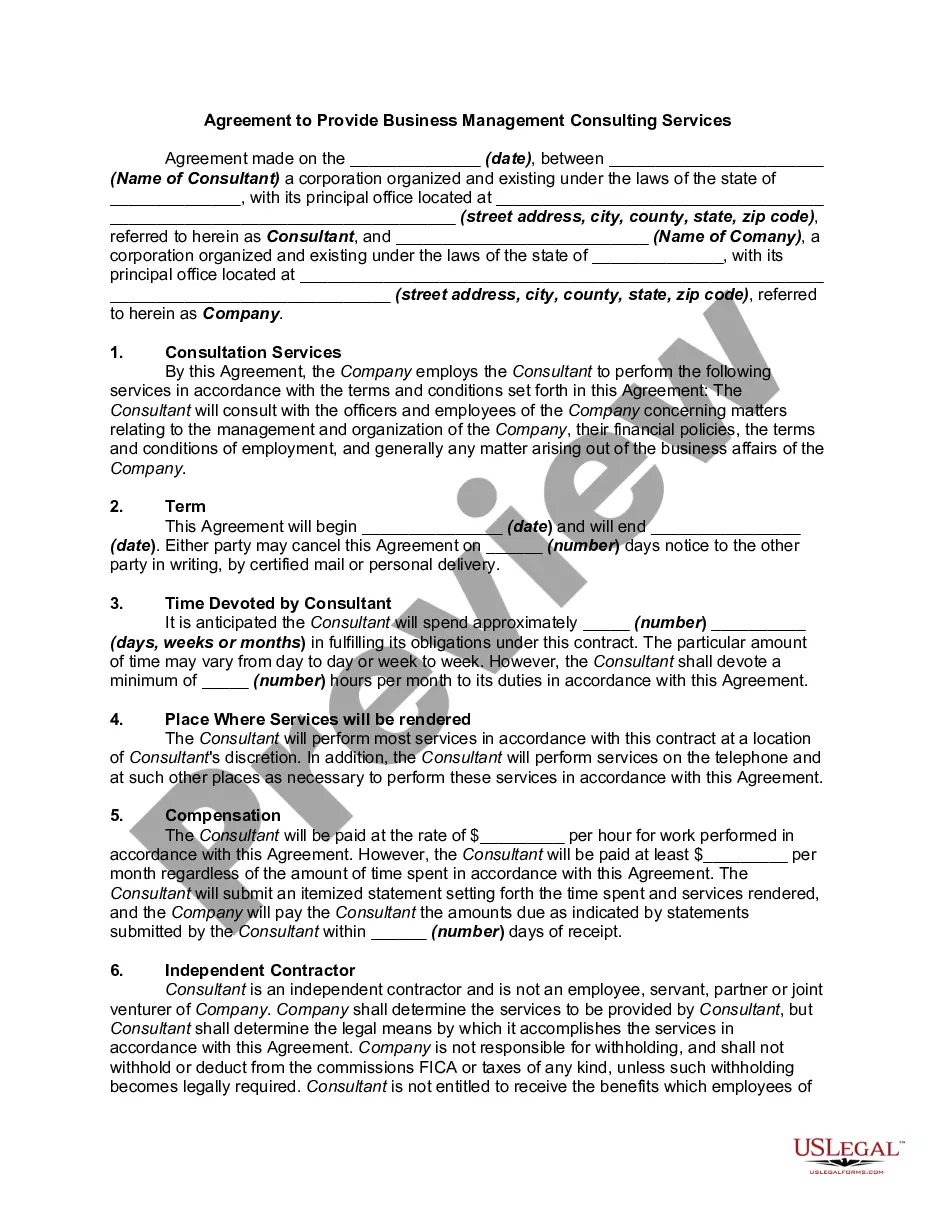
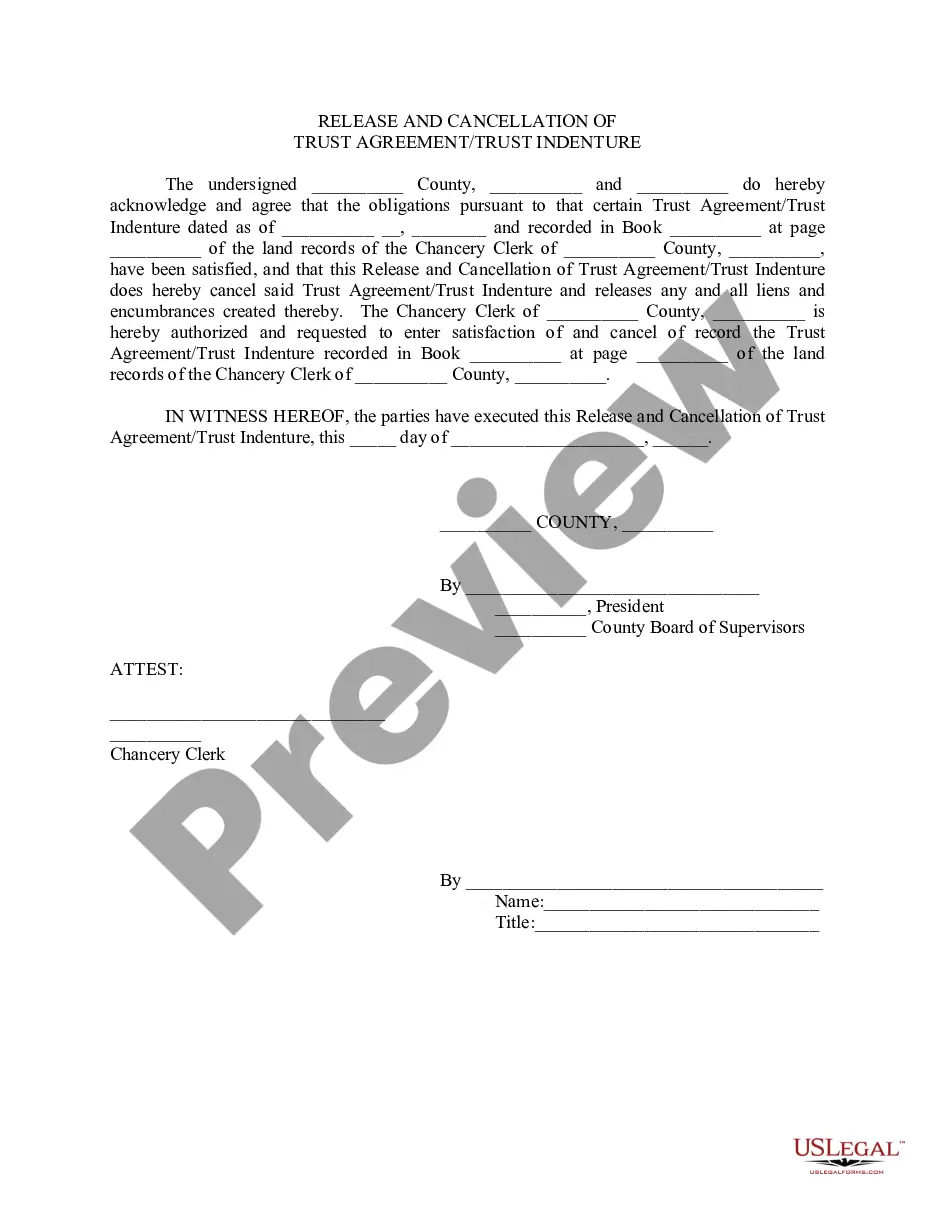




Form popularity
FAQ
As set forth in the LSA, there are two types of shareholders' meetings: annual general and extraordinary.
Your first team meeting agenda should include items such as “meeting icebreakers,” “self-introduction”, “current opportunities,” “challenges encountered,” and possibly a Q&A session. You should share the agenda at least one day before the meeting.
The first shareholder meeting is an organizational meeting where shareholders ratify and approve the actions of the incorporators. Shareholders also approve shares values, appoint directors and officers if needed, and wrap up other initial tasks.
Your corporation's first directors meeting typically focuses on initial organizational tasks, including electing officers, setting their salaries, resolving to open a bank account, and ratifying bylaws and actions of the incorporators.
What are the 4 Ps of a meeting agenda? They are Purpose, Product, People, and Process. The meeting agenda should be distributed ahead of time and should include the discussion topics, time allocations, and any materials participants need to review beforehand.
At the first board meeting, the directors will normally clarify their duties and expectations, confirm the objectives of the company, and discuss the formalities and requirements of the new business.
The agenda should include the meeting's goal, a list of topics to be discussed with their purposes, time allocations, and assigned facilitators. This structure provides a clear roadmap for the meeting, ensuring that all important points are covered.
How to write a meeting agenda Clarify meeting objectives. The first step in writing a meeting agenda is to clearly define any goals. Invite participant input. Outline key questions for discussion. Define each task's purpose. Allocate time for agenda items. Assign topic facilitators. Write the meeting agenda.
An annual general meeting (AGM) is a yearly meeting between shareholders and the board of directors. AGMs are mandatory events for private and public companies and require a notice period of at least 21 days. The notice period can be shortened if all shareholders with the right to attend and vote consent to doing so.
Appointing a company chairman, and adding other directors. Naming signatories to the company bank accounts and stating who may use the company seal. Allotting shares and acknowledging receipt of monies for shares. Appointing auditors.

