Annual General Meeting Resolution Format In Allegheny
Description
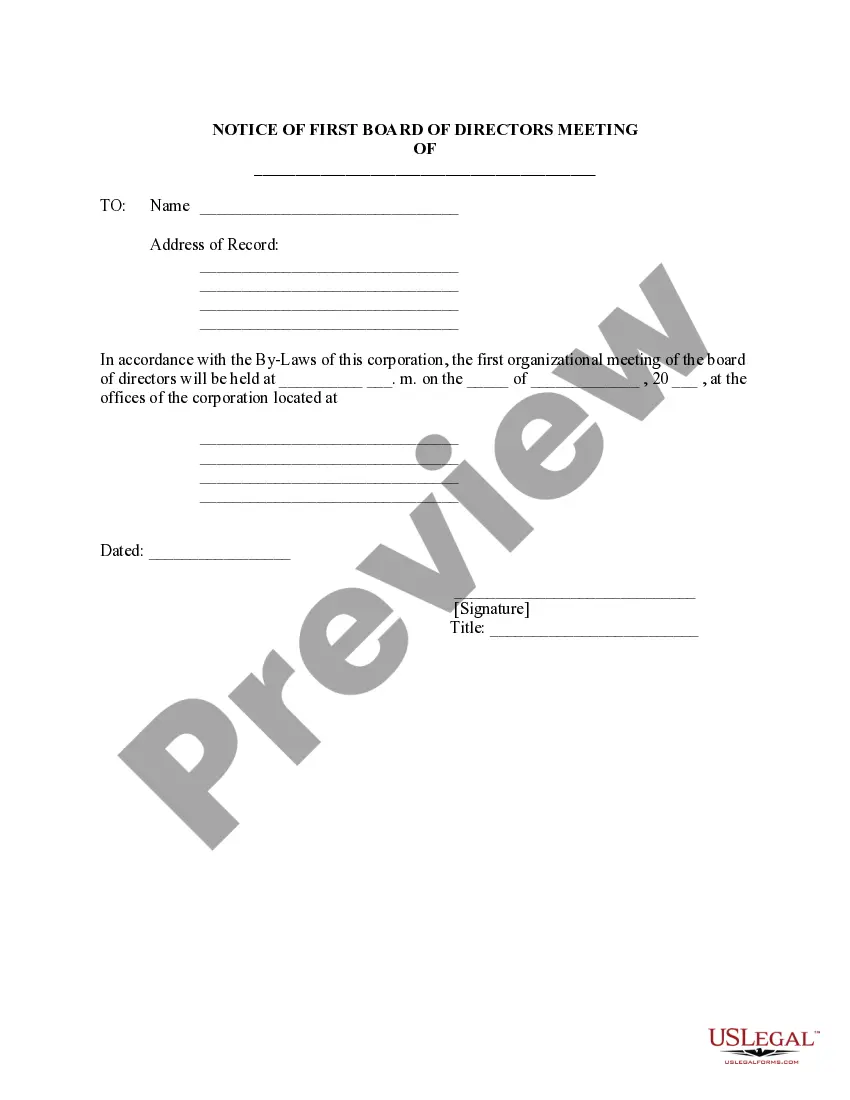


Get your form ready online
Our built-in tools help you complete, sign, share, and store your documents in one place.
Make edits, fill in missing information, and update formatting in US Legal Forms—just like you would in MS Word.
Download a copy, print it, send it by email, or mail it via USPS—whatever works best for your next step.
Sign and collect signatures with our SignNow integration. Send to multiple recipients, set reminders, and more. Go Premium to unlock E-Sign.
If this form requires notarization, complete it online through a secure video call—no need to meet a notary in person or wait for an appointment.
We protect your documents and personal data by following strict security and privacy standards.

Make edits, fill in missing information, and update formatting in US Legal Forms—just like you would in MS Word.

Download a copy, print it, send it by email, or mail it via USPS—whatever works best for your next step.

Sign and collect signatures with our SignNow integration. Send to multiple recipients, set reminders, and more. Go Premium to unlock E-Sign.

If this form requires notarization, complete it online through a secure video call—no need to meet a notary in person or wait for an appointment.

We protect your documents and personal data by following strict security and privacy standards.
Looking for another form?









Form popularity
FAQ
Ordinary resolutions are used for routine business decisions like paying dividends and require more than 50% of votes in favour. Special resolutions are used for more complex business matters like changing articles of association and require at least 75% of votes in favour.
What is a resolution? A resolution is a formal decision passed by the association in ance with its constitution, usually made at a general meeting or in a postal, electronic or combined ballot. There are two types of resolutions, ordinary and special.
Passing a resolution Voting at general meetings is normally taken by a show of hands or a poll. If the vote is taken as a show of hands, the percentage is worked out as one vote per shareholder.
Ordinary resolutions are used for routine business decisions like paying dividends and require more than 50% of votes in favour. Special resolutions are used for more complex business matters like changing articles of association and require at least 75% of votes in favour.
Ordinary resolutions are not specifically defined in the Corporations Act and need only a simple majority (i.e. normally, more than 50% of votes cast in favour) to pass. Some decisions that may only require an ordinary resolution include: election/re-election of directors. appointment of an auditor.
An ordinary resolution requires approval by a bare or simple majority of the votes cast on the motion (that is, not less than 50% +1 votes out of all votes cast, which excludes from both the numerator and denominator all shares whose votes are not cast for whatever reason including abstention).
Many body corporate decisions have to be made at a general meeting. A decision is made at a general meeting if a motion is included on the agenda, and owners vote to pass the motion. This is called a resolution.
An AGM may be waived in some jurisdictions, only if a written resolution is passed. The resolution must be unanimously approved and signed by all members. Shareholders must be notified, and the financial statements need to be accepted.
Resolutions are typically proposed and passed during formal meetings such as the Annual General Meeting (AGM). However, companies also have the option to pass resolutions in writing. Written resolutions are typically used when directors and shareholders are unable to meet in person for any reason.

