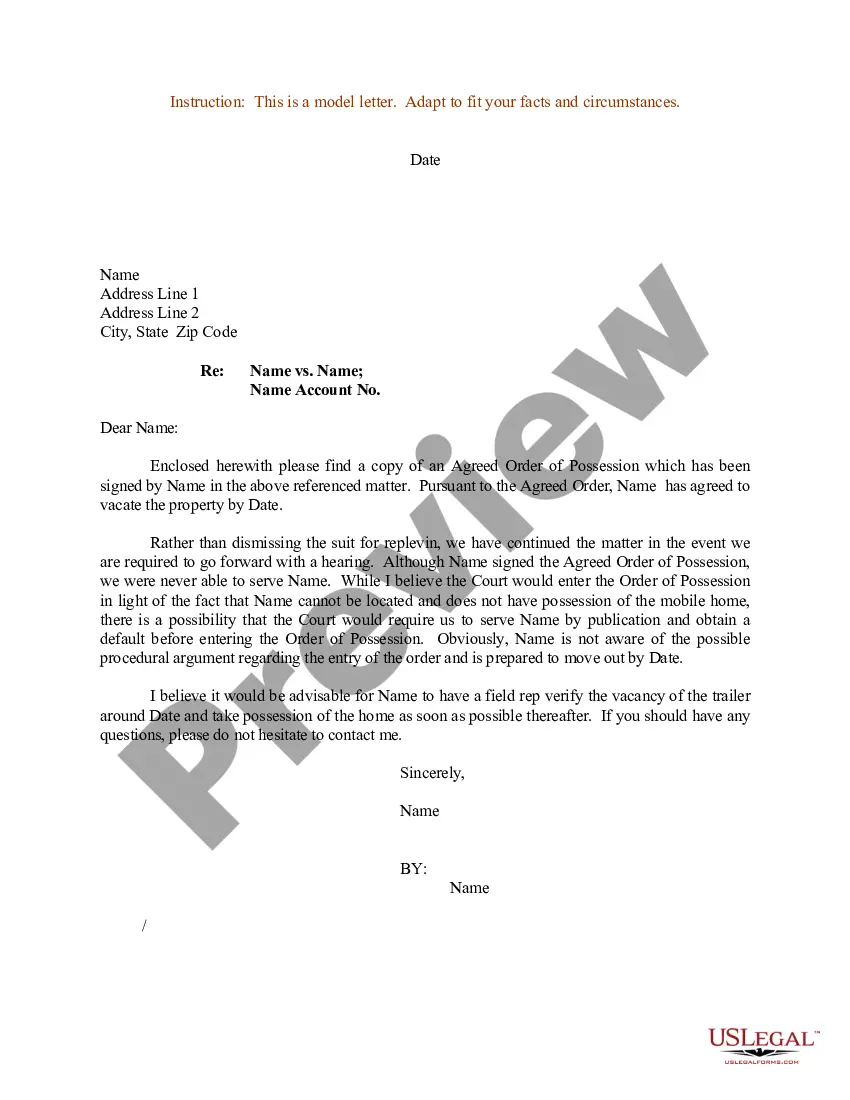
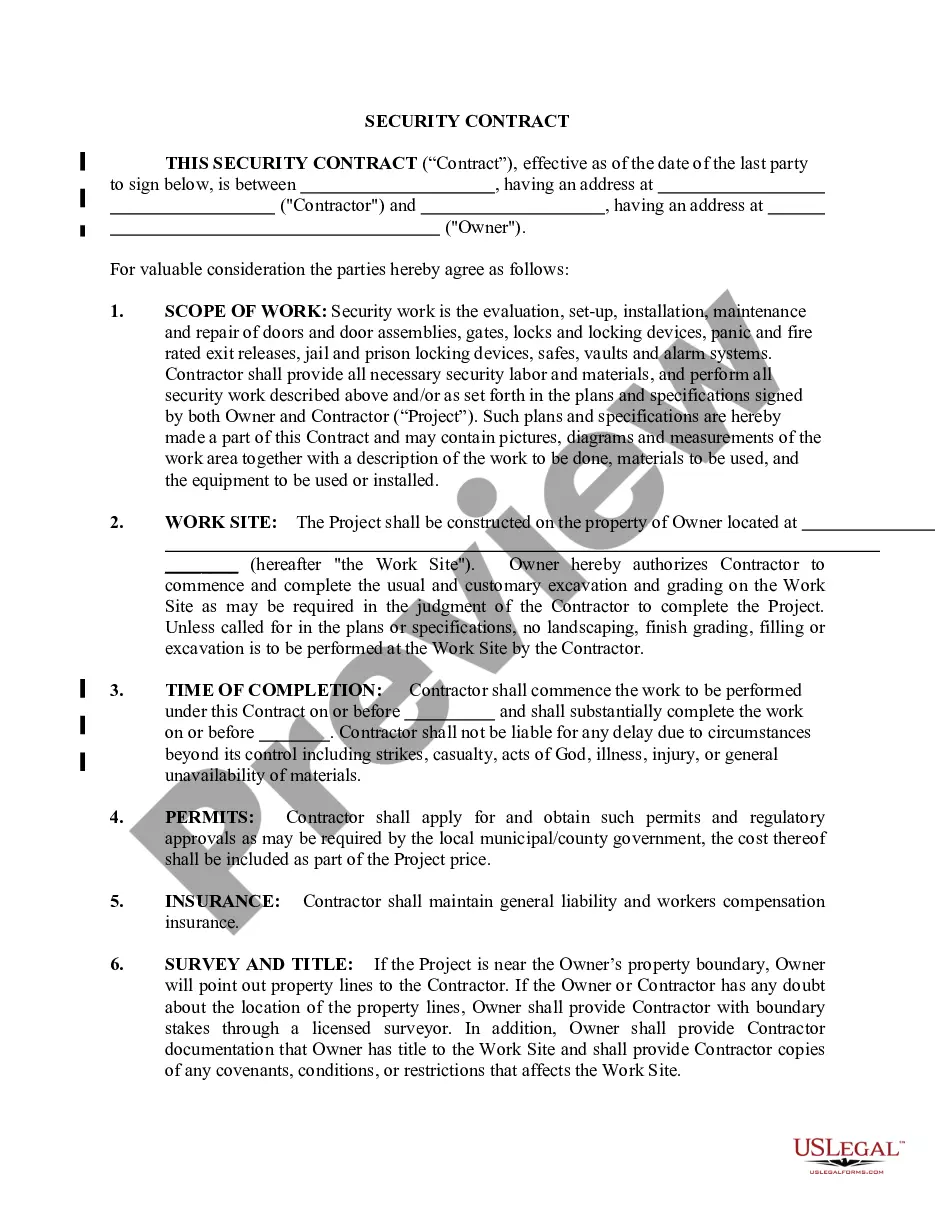
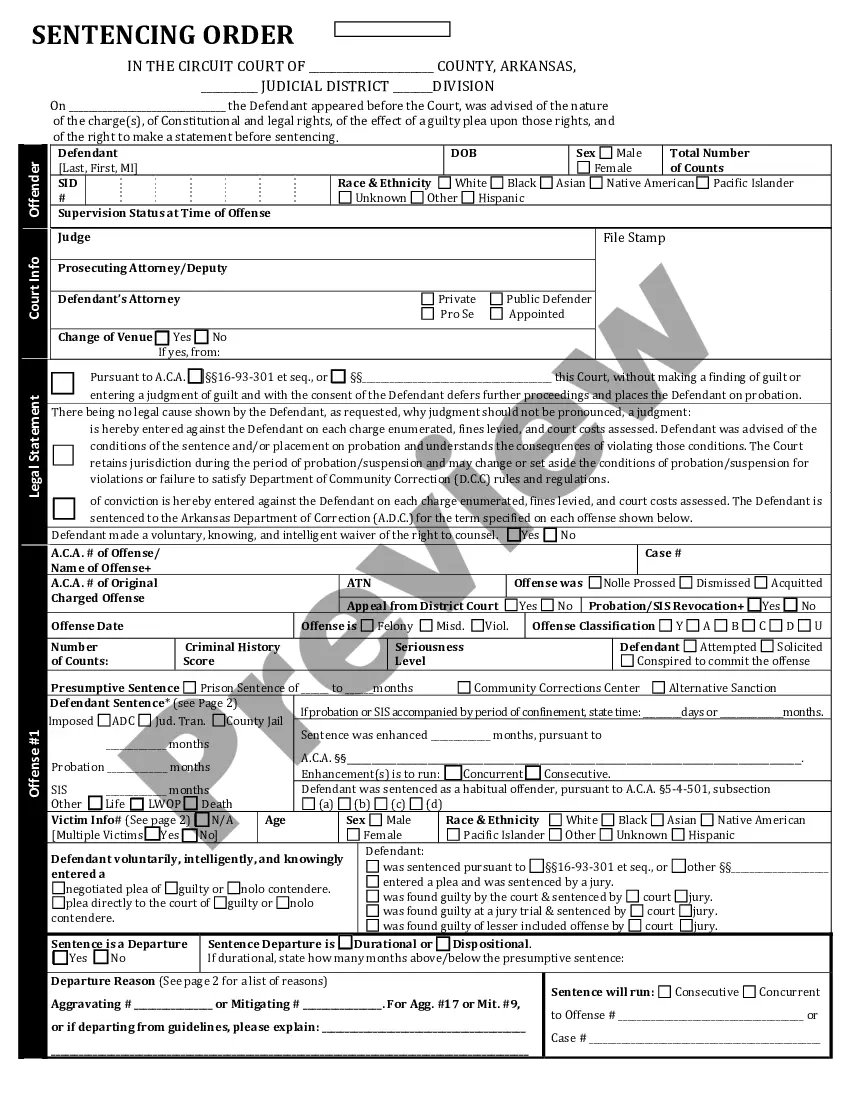
Court Letter Sample With Reference In Wayne
Description



Get your form ready online
Our built-in tools help you complete, sign, share, and store your documents in one place.
Make edits, fill in missing information, and update formatting in US Legal Forms—just like you would in MS Word.
Download a copy, print it, send it by email, or mail it via USPS—whatever works best for your next step.
Sign and collect signatures with our SignNow integration. Send to multiple recipients, set reminders, and more. Go Premium to unlock E-Sign.
If this form requires notarization, complete it online through a secure video call—no need to meet a notary in person or wait for an appointment.
We protect your documents and personal data by following strict security and privacy standards.

Make edits, fill in missing information, and update formatting in US Legal Forms—just like you would in MS Word.

Download a copy, print it, send it by email, or mail it via USPS—whatever works best for your next step.

Sign and collect signatures with our SignNow integration. Send to multiple recipients, set reminders, and more. Go Premium to unlock E-Sign.

If this form requires notarization, complete it online through a secure video call—no need to meet a notary in person or wait for an appointment.

We protect your documents and personal data by following strict security and privacy standards.
Looking for another form?






Form popularity
FAQ
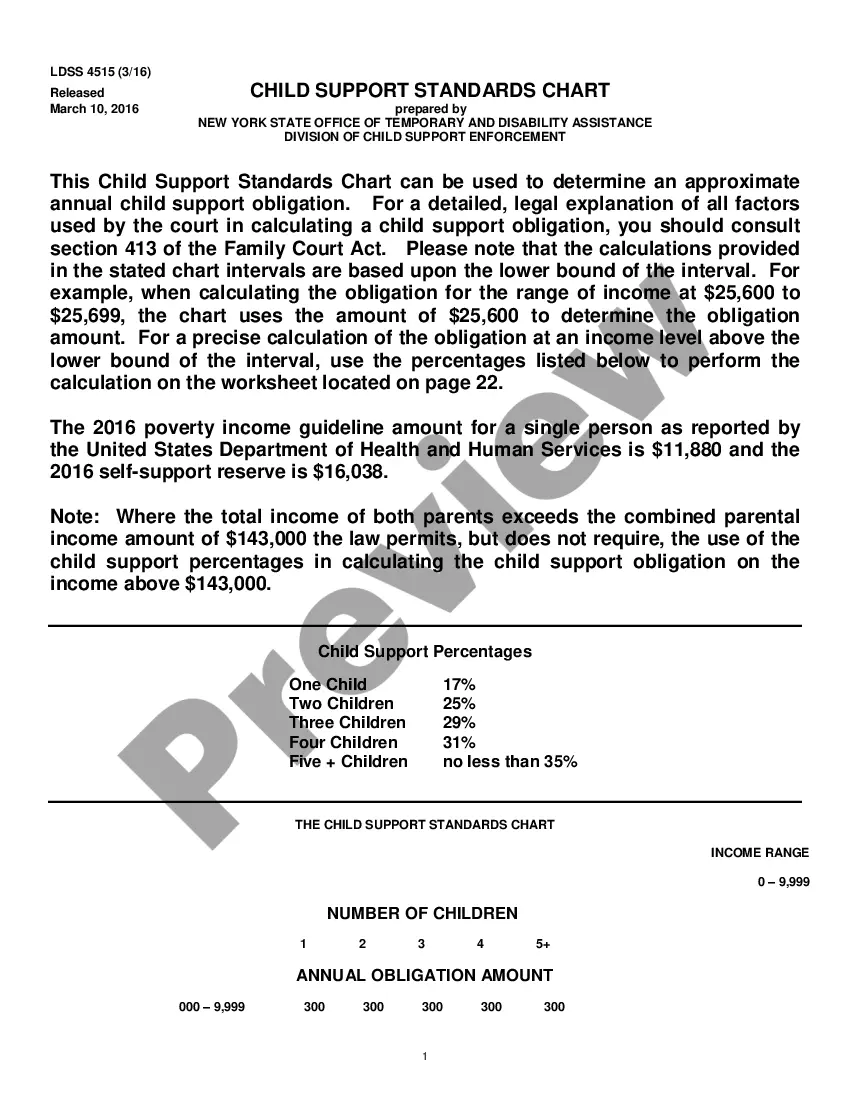
Download the Child Support Application (Form LDSS-3433) from the New York State Child Support website. Complete the form, attach all required documents, and mail it to the appropriate Child Support Office. Regardless of the filing method chosen, accurately complete the Child Support Application (Form LDSS-3433).
Take your time and read each question carefully. If you're unsure about any information consult aMoreTake your time and read each question carefully. If you're unsure about any information consult a legal professional or your local Child Support Agency. Once completed review your forms for accuracy.
Petitions MUST be signed in the presence of a Notary Public or a Family Court Clerk. Once your petition is completed and your signature notarized, you can either mail it to Family Court or submit it in person during our stated business hours. Paternity Petitions must be submitted with a copy of the Birth Certificate.
Tips for an Effective Character Letter To a Judge in California Understand the Purpose of a Character Letter. Use Specific Anecdotes Over General Praise. Address the Impact on the Defendant's Support Network. Maintain Respect For the Court. Respect the Judge's Time. Align Your Expectations with Reality.
A custodial parent may file a petition with their local child support agency. That petition will then be forwarded to the New York City Law Department office in the county where the non-custodial parent resides. This matter will then be litigated in the New York City Family Court located in the same borough.
If the judge's name is "John Smith," then in references to him that would be read by others (e.g., the mailing address on a letter) you would refer to him "The Honorable John Smith" (or some might just use "Hon."). In directly communicating with him in writing, I would start with "Dear Judge Smith."
They should be addressed either to the Honorable FIRST NAME LAST NAME or Judge FIRST NAME LAST NAME. Although you can put the case number on the letter, it is not necessary, as it will be submitted by the lawyer.
If the judge's name is "John Smith," then in references to him that would be read by others (e.g., the mailing address on a letter) you would refer to him "The Honorable John Smith" (or some might just use "Hon."). In directly communicating with him in writing, I would start with "Dear Judge Smith."
You can address the judge to “The Honorable First Name Last Name” or “Judge First Name Last Name” or “Judge Last Name.” It is redundant to say “Honorable Judge” so use either “Judge” or “Honorable.”
A custodial parent may file a petition with their local child support agency. That petition will then be forwarded to the New York City Law Department office in the county where the non-custodial parent resides. This matter will then be litigated in the New York City Family Court located in the same borough.

