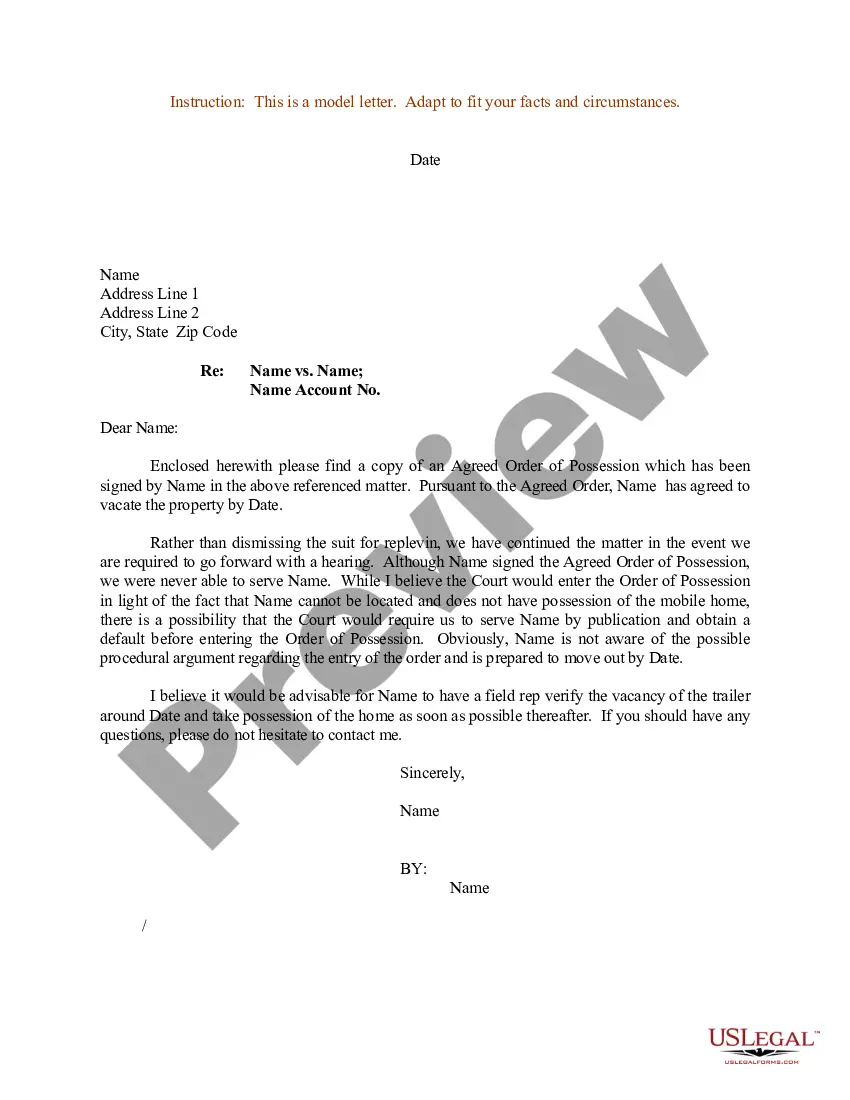
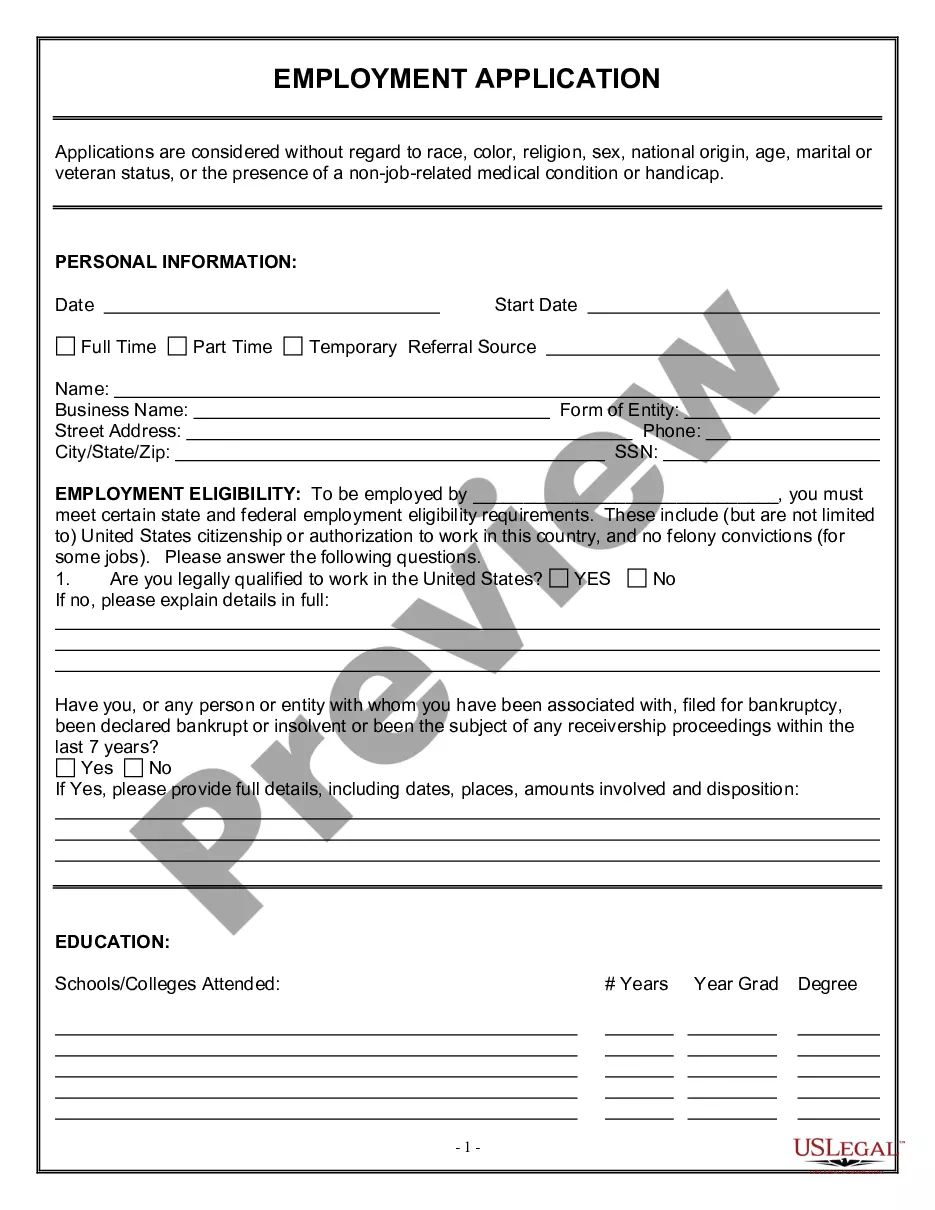
Court Letter Sample With Reason In Wayne
Description



Get your form ready online
Our built-in tools help you complete, sign, share, and store your documents in one place.
Make edits, fill in missing information, and update formatting in US Legal Forms—just like you would in MS Word.
Download a copy, print it, send it by email, or mail it via USPS—whatever works best for your next step.
Sign and collect signatures with our SignNow integration. Send to multiple recipients, set reminders, and more. Go Premium to unlock E-Sign.
If this form requires notarization, complete it online through a secure video call—no need to meet a notary in person or wait for an appointment.
We protect your documents and personal data by following strict security and privacy standards.

Make edits, fill in missing information, and update formatting in US Legal Forms—just like you would in MS Word.

Download a copy, print it, send it by email, or mail it via USPS—whatever works best for your next step.

Sign and collect signatures with our SignNow integration. Send to multiple recipients, set reminders, and more. Go Premium to unlock E-Sign.

If this form requires notarization, complete it online through a secure video call—no need to meet a notary in person or wait for an appointment.

We protect your documents and personal data by following strict security and privacy standards.
Looking for another form?



Form popularity
FAQ
Conclusion: Going to small claims court may be worth it for $500, but it will determine how you weigh your costs versus benefits. At a minimum, it is worth it to send a demand letter.
In most cases, pursuing a lawsuit against a financially insolvent party is the right idea unless the potential recovery is so low that you would end up spending more than you could gain.
This study answers two fundamental questions about small claims courts: (1) Who usually wins? (2) Do victors collect their judgments? The rate of victory for plaintiffs who file claims and appear in court is eighty-five percent. Of winning plaintiffs, fifty-five percent never collect any part of their judgments.
Be clear and concise when presenting your case; don't go off on tangents, don't insult the other party, don't bring up information or events that aren't directly related to the matter at hand. Rehearse presenting your case before you get into court. Listen to everything the judge says and answer clearly.
Here's an overview of how to prepare to defend your case. Find the Rules and Forms Website for Your Local Small Claims Court. See if a Pretrial Settlement Makes Sense. Answer the Plaintiff's Complaint. Remember You Don't Have the Burden of Proof. Consider a Counterclaim, if Appropriate. Use Discovery Well.
You do not need a lawyer to sue in Small Claims Court. But you may hire one, if you want. The other side may also hire a lawyer. The Court will not give you a lawyer.
Whether you represent yourself or hire an attorney, there are things you can do to ensure a good result in your case. Find the Right Court. Litigate for the Right Reasons. Mediate Instead of Litigate. Communicate With Your Attorney. Be Willing to Negotiate. Follow Court Procedures. You'll Need a Good Lawyer.
General format - each motion generally consists of a case caption, a title that briefly identifies the relief sought, a series of numbered paragraphs that explains -- in a logical way -- why you are entitled to that relief, a prayer for relief, a signature block, a certification that a copy of the motion was sent to ...

