Sample Letter For Court From Therapist In Wake
Description



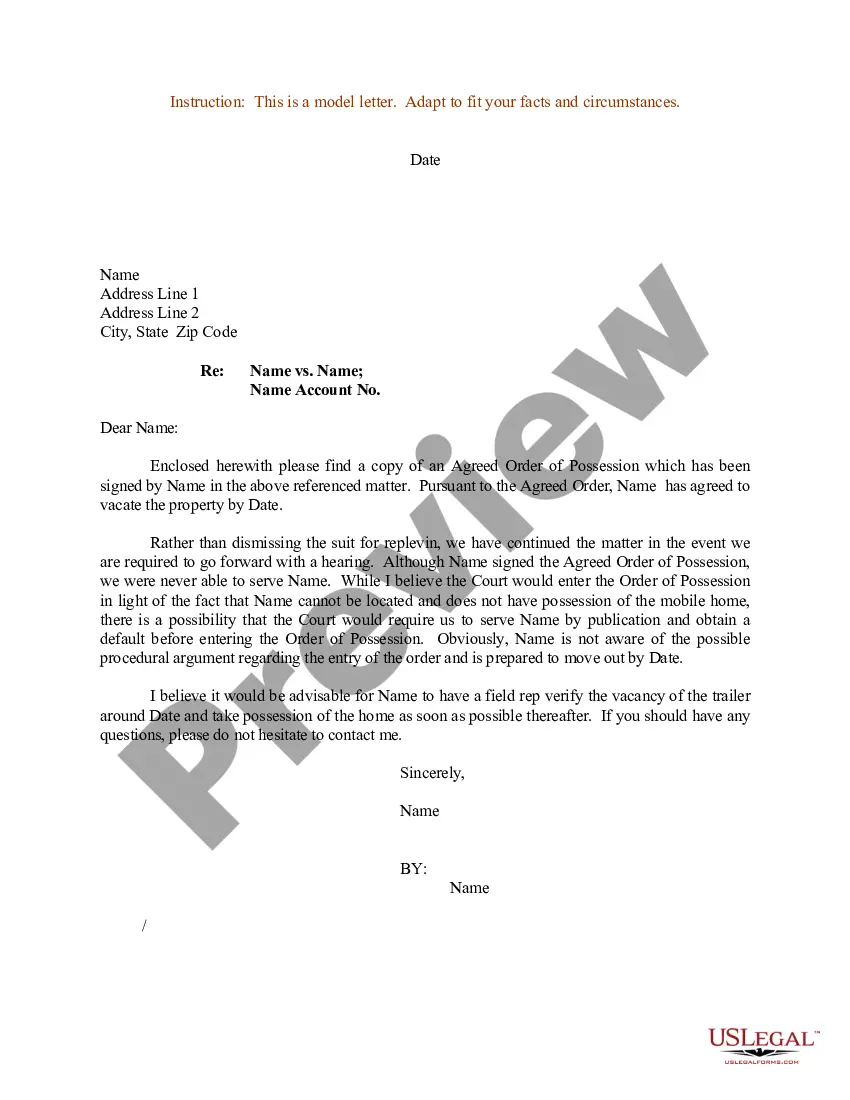
Get your form ready online
Our built-in tools help you complete, sign, share, and store your documents in one place.
Make edits, fill in missing information, and update formatting in US Legal Forms—just like you would in MS Word.
Download a copy, print it, send it by email, or mail it via USPS—whatever works best for your next step.
Sign and collect signatures with our SignNow integration. Send to multiple recipients, set reminders, and more. Go Premium to unlock E-Sign.
If this form requires notarization, complete it online through a secure video call—no need to meet a notary in person or wait for an appointment.
We protect your documents and personal data by following strict security and privacy standards.

Make edits, fill in missing information, and update formatting in US Legal Forms—just like you would in MS Word.

Download a copy, print it, send it by email, or mail it via USPS—whatever works best for your next step.

Sign and collect signatures with our SignNow integration. Send to multiple recipients, set reminders, and more. Go Premium to unlock E-Sign.

If this form requires notarization, complete it online through a secure video call—no need to meet a notary in person or wait for an appointment.

We protect your documents and personal data by following strict security and privacy standards.
Looking for another form?










Form popularity
FAQ
Some clients may request that their therapist write a treatment-related letter—often to obtain proof of engagement in therapy, ensure access to gender-affirming medical care, or support an ESA.
Absolutely a therapist can testify, they need to be subpoenaed to court. Therapists often are called to give testimony as an expert witness and they can become quite good at it. They usually limit their testimony to duration, goals, diagnosis, treatment progress and relevant disclosures.
I am reviewing your question now... The answer is yes, unless the other side is willing to allow them to be admitted into evidence. That is because those documents, by themselves, are considered hearsay and must be authenticated. For example, the therapist must be present to authenticate the copy of that letter.
In some instances, once the duty to warn has arisen and the therapist has divulged the patient's statements, those statements may be used at trial. State law can, however, allow the therapist to warn but prevent him or her from testifying at any eventual trial.
Introduce yourself to the Court. Explain how you know (and how long you have known) the defendant. Make it personal when describing the defendant's characteristics. Can you think of examples of good deeds done by the defendant (hard work, dedication to family/church/community, generosity, etc).
If called upon as a fact witness, the therapist must stick to the facts. He or she will only discuss his or her medical findings, patient's condition and course of treatment. He or she will not express views on any issues regarding the case. However, therapists can also be expert witnesses.
If you are well known in your community, your family name or place of work might make you more reputable in the eyes of the judge. Next, express exactly why you are writing. Include the name of the victim or the defendant, how you know the defendant, and why you're writing on behalf of them.

