Letter To Court Template With Lines In Suffolk
Description



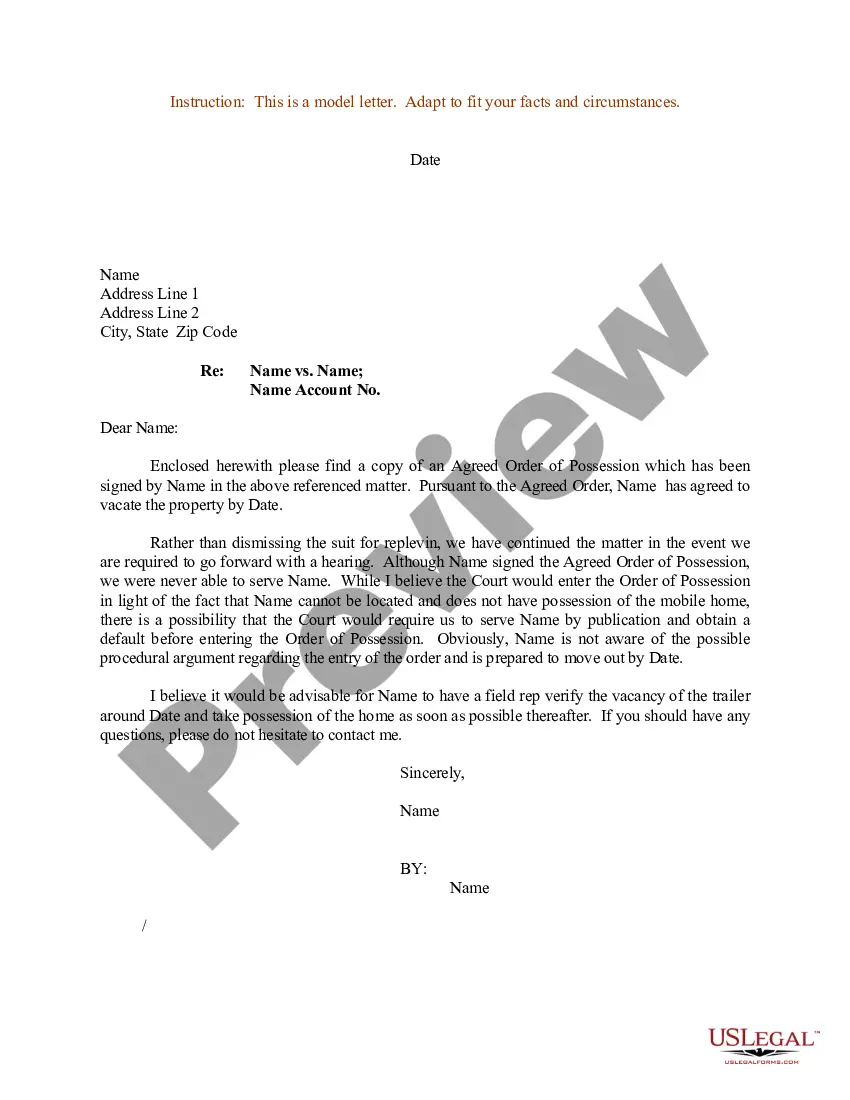
Get your form ready online
Our built-in tools help you complete, sign, share, and store your documents in one place.
Make edits, fill in missing information, and update formatting in US Legal Forms—just like you would in MS Word.
Download a copy, print it, send it by email, or mail it via USPS—whatever works best for your next step.
Sign and collect signatures with our SignNow integration. Send to multiple recipients, set reminders, and more. Go Premium to unlock E-Sign.
If this form requires notarization, complete it online through a secure video call—no need to meet a notary in person or wait for an appointment.
We protect your documents and personal data by following strict security and privacy standards.

Make edits, fill in missing information, and update formatting in US Legal Forms—just like you would in MS Word.

Download a copy, print it, send it by email, or mail it via USPS—whatever works best for your next step.

Sign and collect signatures with our SignNow integration. Send to multiple recipients, set reminders, and more. Go Premium to unlock E-Sign.

If this form requires notarization, complete it online through a secure video call—no need to meet a notary in person or wait for an appointment.

We protect your documents and personal data by following strict security and privacy standards.
Looking for another form?

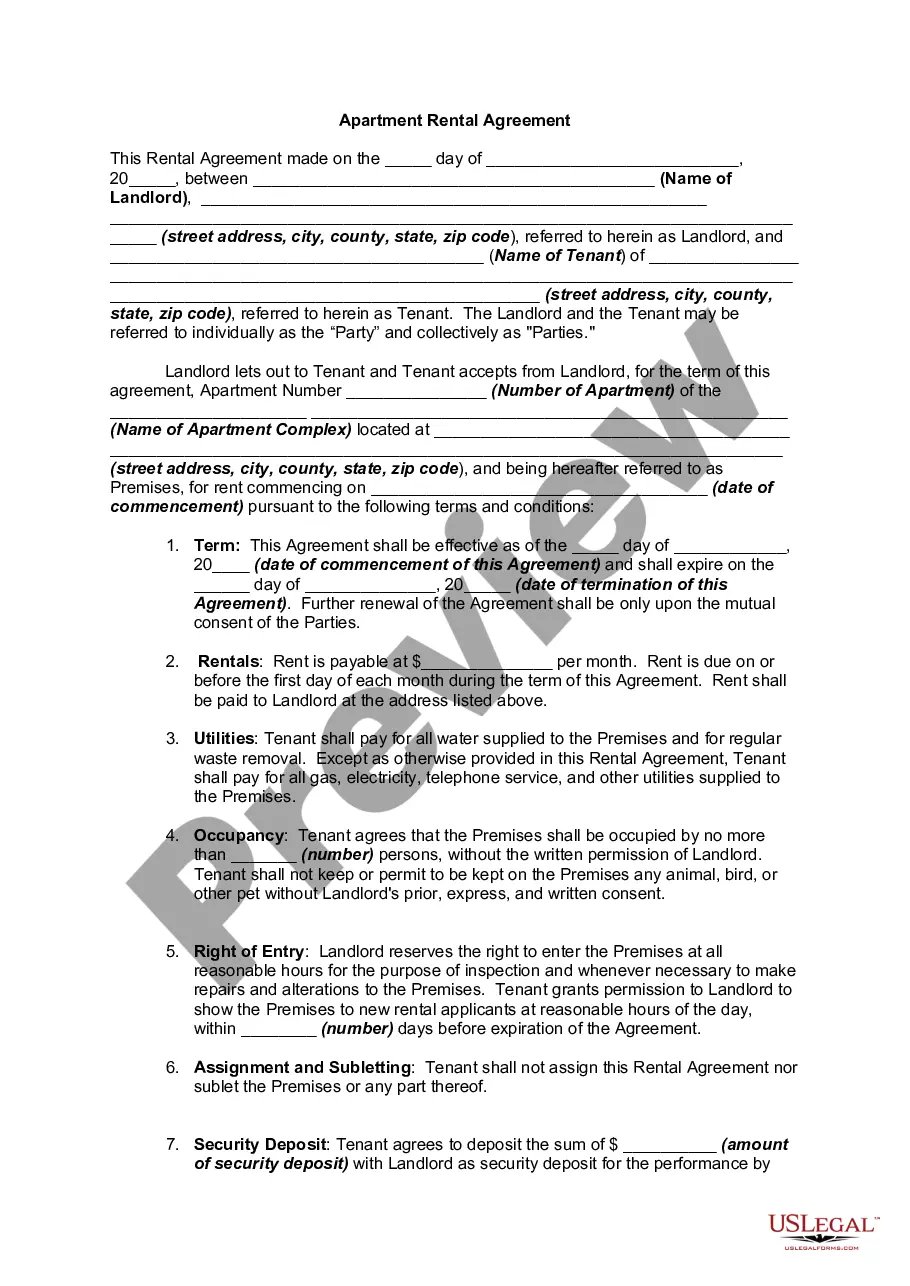
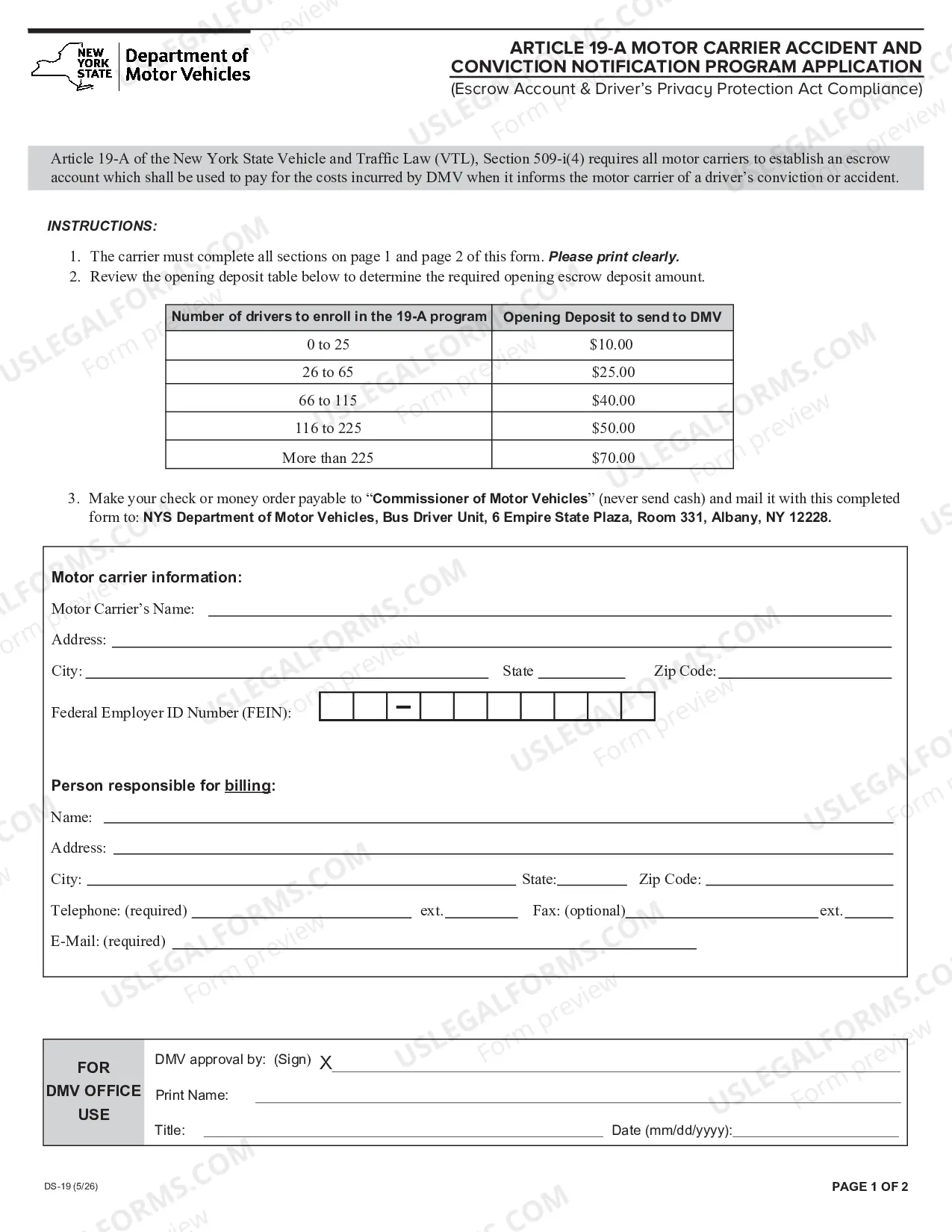

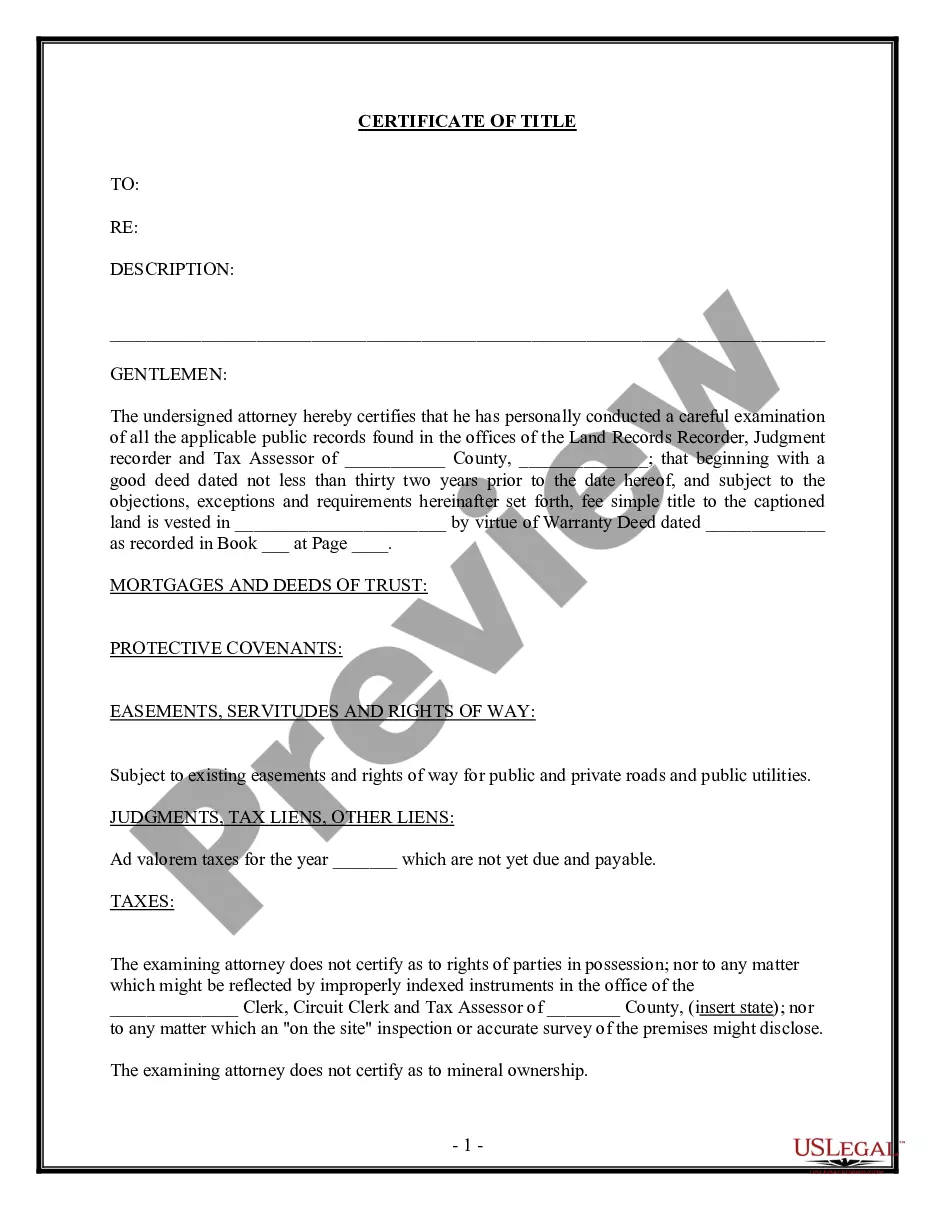



Form popularity
FAQ
You may choose to file your own Family Court petition. To do so, go to the website listed below and choose the type of petition you want to file. Completed petitions must be filed with the General Clerk of the Family Court (631-853-4289).
However, sending a letter of demand can have its disadvantages. Depending on the situation, the other party may feel threatened and respond negatively, or they may not respond at all. They might engage a lawyer, or they might even start legal action against you.
Your letter can be typed or neatly handwritten. You should date and sign your letter. You don't need to write formal words to the Court, just make sure everything in your letter is genuine. It is usually a good idea to keep your letter to a page in length, and no more than two pages.
Statute of Limitations CaseTime SinceThe Law New York City & New York State 90 days to give notice; 1 year and 90 days CPLR 217-A Other felonies 5 years Crim. Proc. 30.10(2)(b) Other negligence resulting in personal injury 3 years from date of accident CPLR 214(5) Petty offense 1 year Crim. Proc. 30.10(2)(d)32 more rows •
Steps: Address the Councillor (Make sure to use the propper titles Dr, Mrs, Mr, etc.) Introduce yourself. State the cause you are supporting. Include your own experience. Use 2-3 specific points. Include solutions or action you want the councillor to take. Bonus: Ask their position on the issue or include a question.
Follow the order of this format, leaving a space in between each section: Your Information (first thing that goes on the inside of the letter) Name. The Date. The Judge's Information. Honorable Judge First Name Last Name. What the Letter Is Going to Address. Salutation. Body. Signature.
Local Court Magistrates should be addressed as “Your Honour” in court, as “Magistrate …” outside of court.

