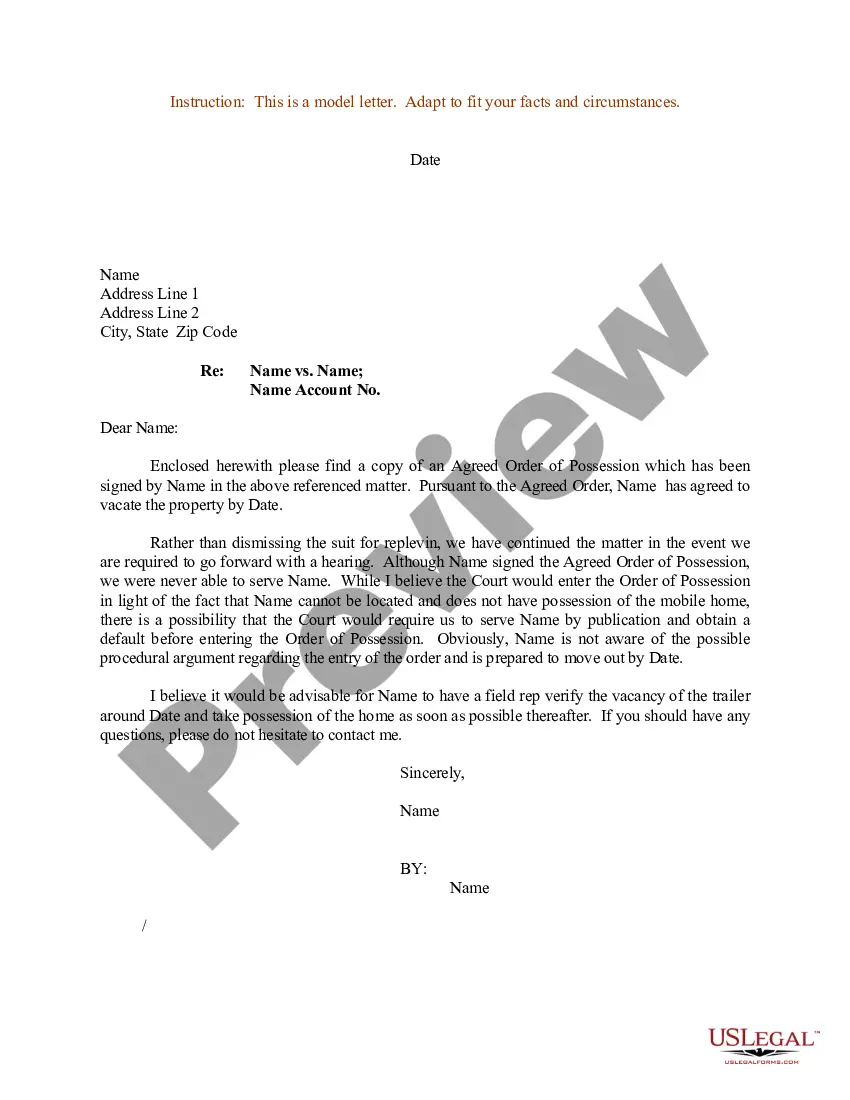
Court Letter Template With Reference In Santa Clara
Description



Get your form ready online
Our built-in tools help you complete, sign, share, and store your documents in one place.
Make edits, fill in missing information, and update formatting in US Legal Forms—just like you would in MS Word.
Download a copy, print it, send it by email, or mail it via USPS—whatever works best for your next step.
Sign and collect signatures with our SignNow integration. Send to multiple recipients, set reminders, and more. Go Premium to unlock E-Sign.
If this form requires notarization, complete it online through a secure video call—no need to meet a notary in person or wait for an appointment.
We protect your documents and personal data by following strict security and privacy standards.

Make edits, fill in missing information, and update formatting in US Legal Forms—just like you would in MS Word.

Download a copy, print it, send it by email, or mail it via USPS—whatever works best for your next step.

Sign and collect signatures with our SignNow integration. Send to multiple recipients, set reminders, and more. Go Premium to unlock E-Sign.

If this form requires notarization, complete it online through a secure video call—no need to meet a notary in person or wait for an appointment.

We protect your documents and personal data by following strict security and privacy standards.
Looking for another form?








Form popularity
FAQ
Court Code 43470, as part of a broader set of regulations, governs specific aspects of civil litigation, particularly regarding the filing and processing of documents within Santa Clara County Superior Court. While the precise details of the code are complex, understanding its underlying principles is vital.
How do I request a court date? Online: You may reserve a hearing online by clicking on this link to CourtSchedule . In person: You may request a court hearing in person by visiting the Traffic Clerk's Office at South County Courthouse or Family Justice Center Courthouse.
There are two ways to look at electronic court case records: On a computer at the courthouse. On a computer, tablet, or smart phone anywhere with an internet connection, such as your home, or the public library. This is known as “remote access.”
Copies of the pleadings must be obtained at the courthouse in which the case was filed, either in person or by mailing a request with a self addressed stamped envelope to return the documents. Click for courthouse locations and mailing addresses.
Tells the court that you had legal papers in a civil case - other than a summons - delivered to (served on) the other party. Lists the papers that were served and tells who they were served on, where, when, and how they were served, and who served them.
Letters Testamentary, or the letter of administration form, also known as Judicial Council of California Form DE-150, is what the Santa Clara County Probate Court issues at the time of, or after the hearing petitioning the court for an order for probate.
Court Code 43470, as part of a broader set of regulations, governs specific aspects of civil litigation, particularly regarding the filing and processing of documents within Santa Clara County Superior Court. While the precise details of the code are complex, understanding its underlying principles is vital.
43460 is the designation for the Palo Alto Court house. 43470 is the designation for the San Jose Hall of Justice. These are locations where criminal cases are heard.
Court Code 43470 merely identifies Santa Clara County Superior Court.

