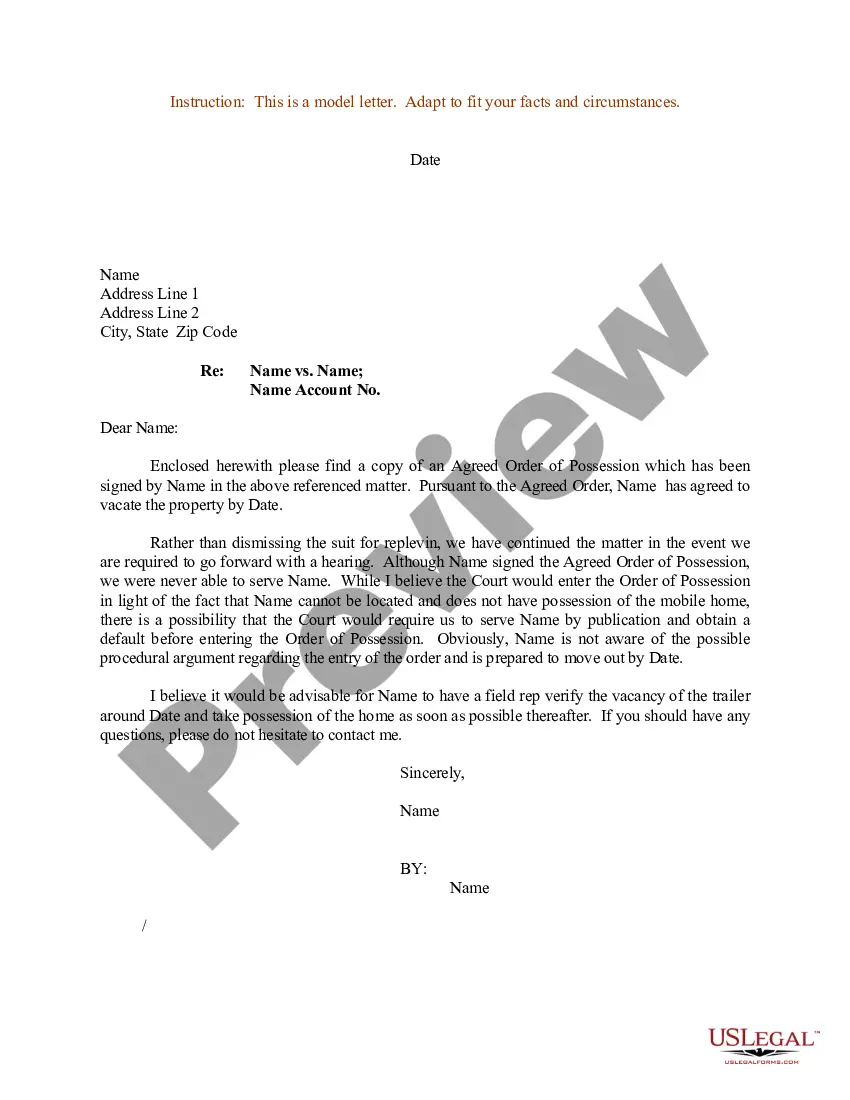
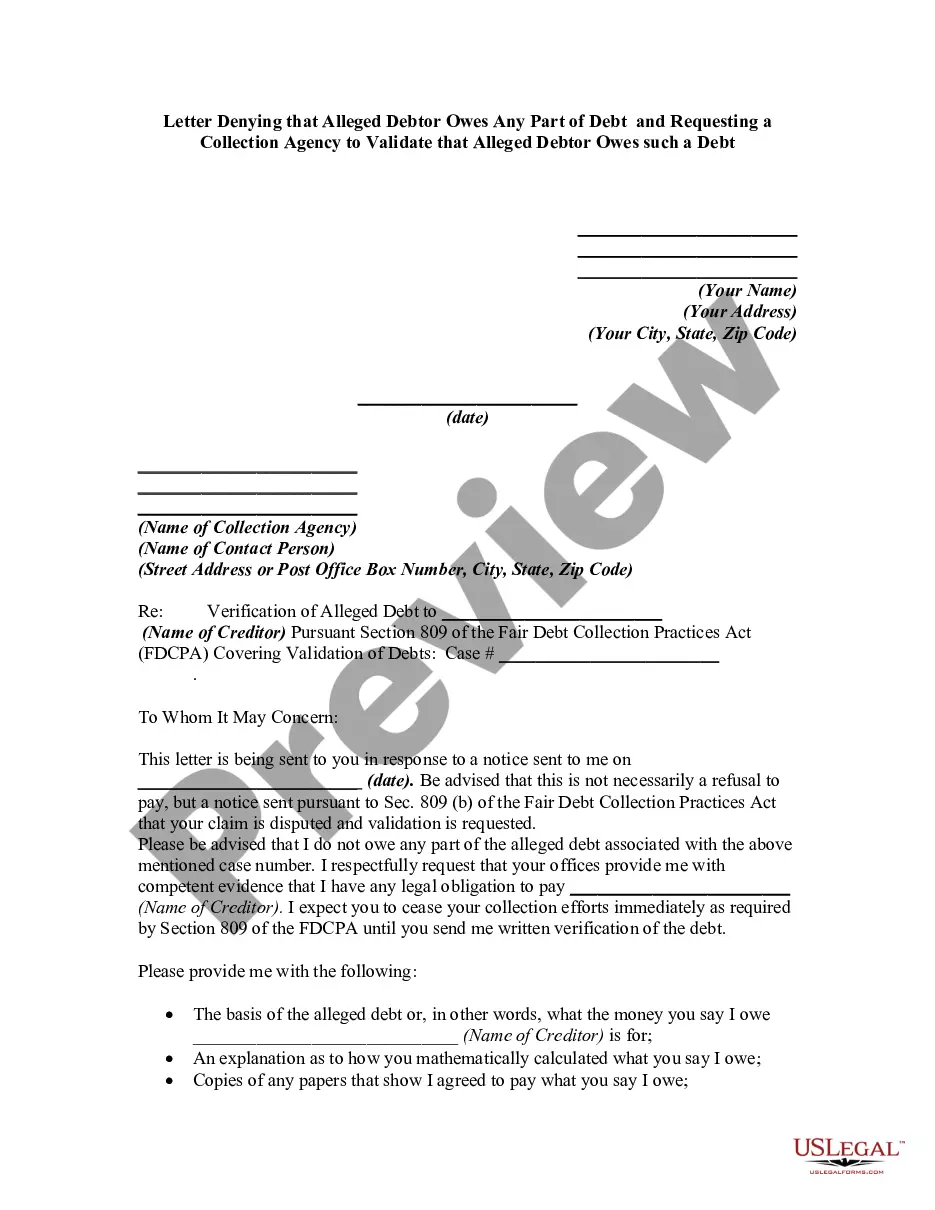
Court Letter Sample Formal In San Antonio
Description



Get your form ready online
Our built-in tools help you complete, sign, share, and store your documents in one place.
Make edits, fill in missing information, and update formatting in US Legal Forms—just like you would in MS Word.
Download a copy, print it, send it by email, or mail it via USPS—whatever works best for your next step.
Sign and collect signatures with our SignNow integration. Send to multiple recipients, set reminders, and more. Go Premium to unlock E-Sign.
If this form requires notarization, complete it online through a secure video call—no need to meet a notary in person or wait for an appointment.
We protect your documents and personal data by following strict security and privacy standards.

Make edits, fill in missing information, and update formatting in US Legal Forms—just like you would in MS Word.

Download a copy, print it, send it by email, or mail it via USPS—whatever works best for your next step.

Sign and collect signatures with our SignNow integration. Send to multiple recipients, set reminders, and more. Go Premium to unlock E-Sign.

If this form requires notarization, complete it online through a secure video call—no need to meet a notary in person or wait for an appointment.

We protect your documents and personal data by following strict security and privacy standards.
Looking for another form?









Form popularity
FAQ
7 Keys to drafting a strong statement of the case Accuracy. Accuracy is the cornerstone of a good statement of facts. Clarity. A good statement of facts and procedural history should be clear and easy to read. Chronological order. Relevant facts. Organization. Objectivity. Relevant citations.
The goal of a character letter is to cast the defendant in the most favorable light possible. A character letter to a judge should establish your credibility, paint a full picture of the defendant and be respectful, among other things.
If you are asked to write a character letter for someone, it can be helpful to keep the following tips in mind when creating your letter: Address Your Letter to the Judge. Establish a Clear Relationship with the Defendant. Be Truthful. Be Positive. Include a Discussion of the Crime. Do Not Suggest Penalties for the Crime.
Introduce yourself in the opening paragraph. Outline your relationship with the person who is the subject of the legal proceedings. Acknowledge the charges that have been brought against the person. State your opinion of the person's general character.
Follow the order of this format, leaving a space in between each section: Your Information (first thing that goes on the inside of the letter) Name. The Date. The Judge's Information. Honorable Judge First Name Last Name. What the Letter Is Going to Address. Salutation. Body. Signature.
How to Write a Good Court Statement Be clear and concise in your writing. Keep your sentences and paragraphs short, making them easier to read and understand. Make sure all of your facts are accurate and complete. Proofread your statement before submitting it to the court.
What should be included in a character letter? Every word needs to be true. Include a description of how you know the person in question and how long you've known them. Talk about any positive traits you've seen this person demonstrate, and include (true) anecdotes that demonstrate these qualities.
You'll want to start with a standard page size (8.5 x 11 inches) with 1-inch margins. Keep the font simple, such as Times New Roman, and avoid the use of color. Remember to break up text with headers and paragraphs for readability.
You must draft the demand letter with as little emotion as possible. And-- stick to the facts. Keep a detailed record and copies of all your communications with the other person or company. Write down the date, time, name of the person you spoke to, and the nature of all your conversations about the problem.
You may send your Texas demand letter via email or mail. For letters that you mail, consider sending your letter with tracking information so that you know when it has been delivered.

