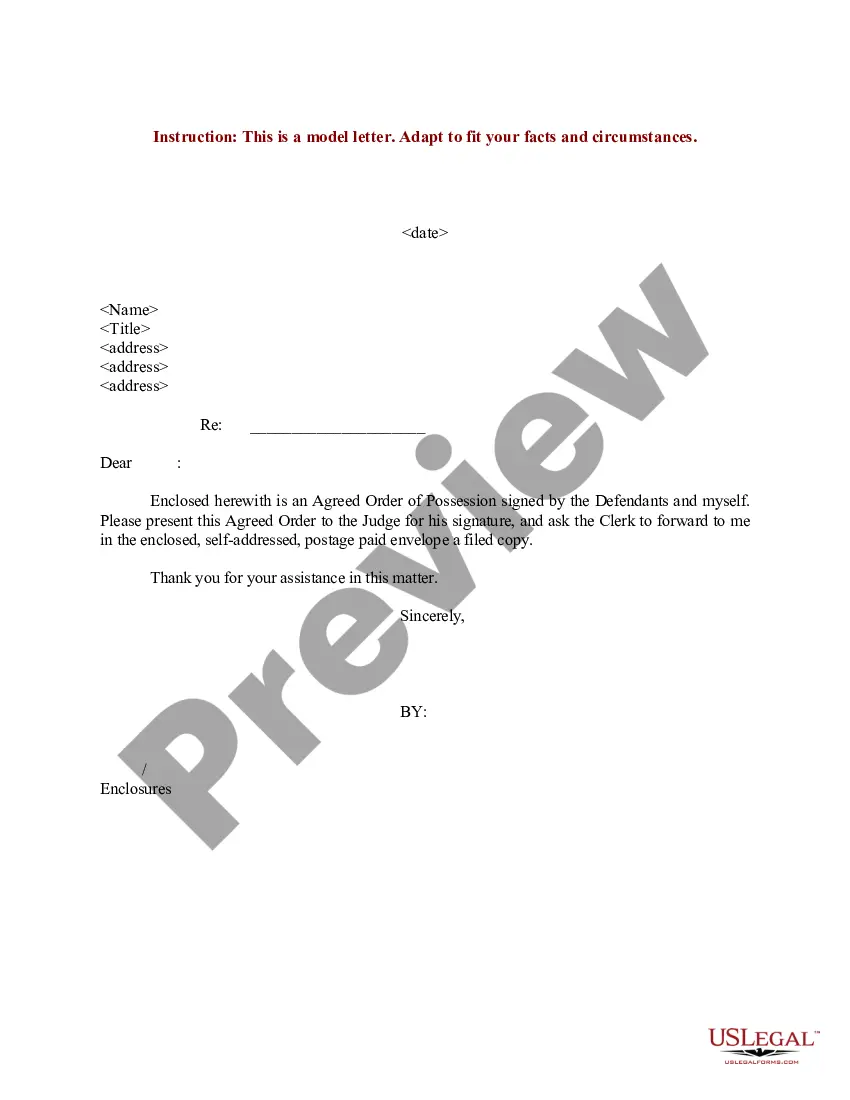
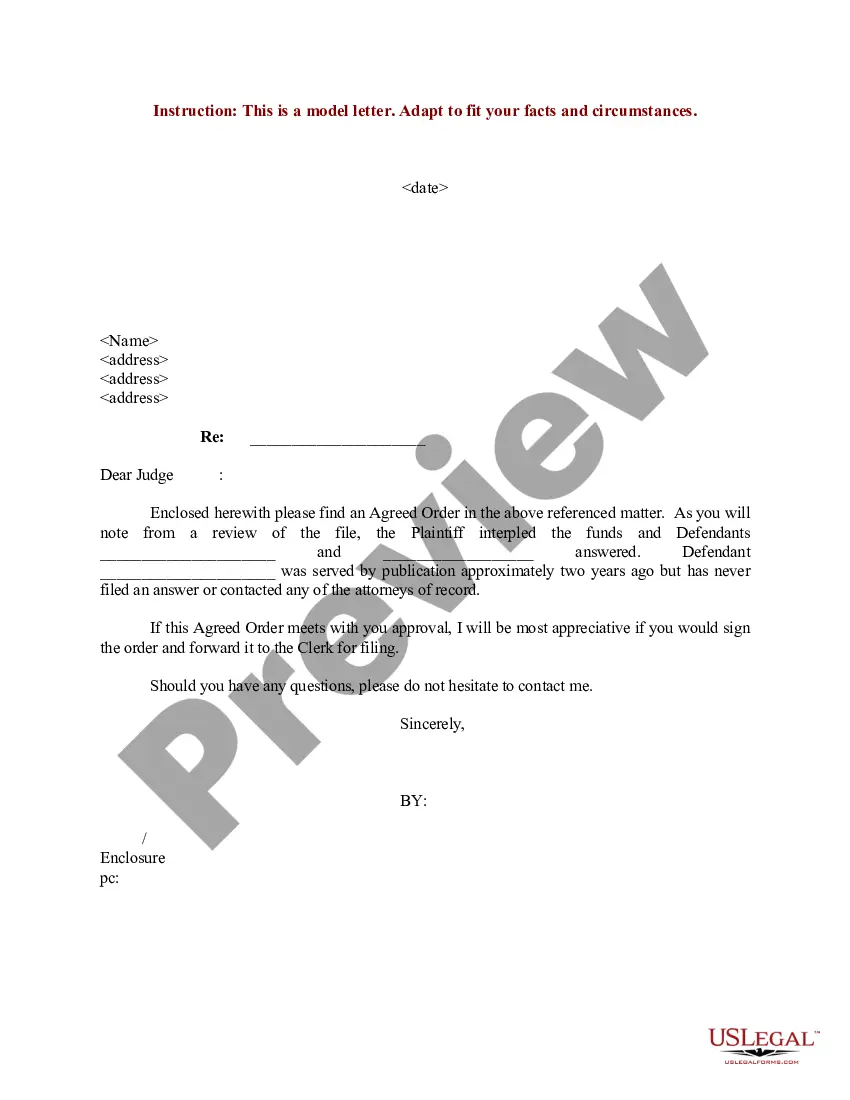
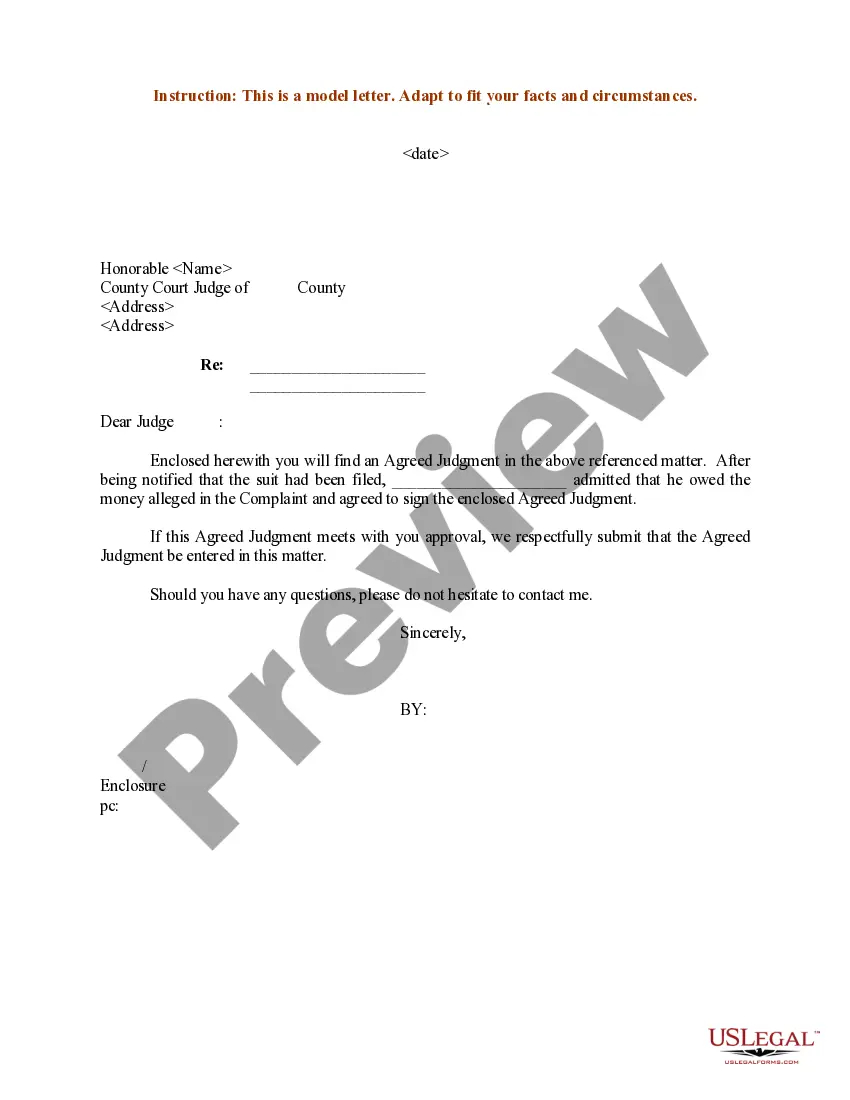
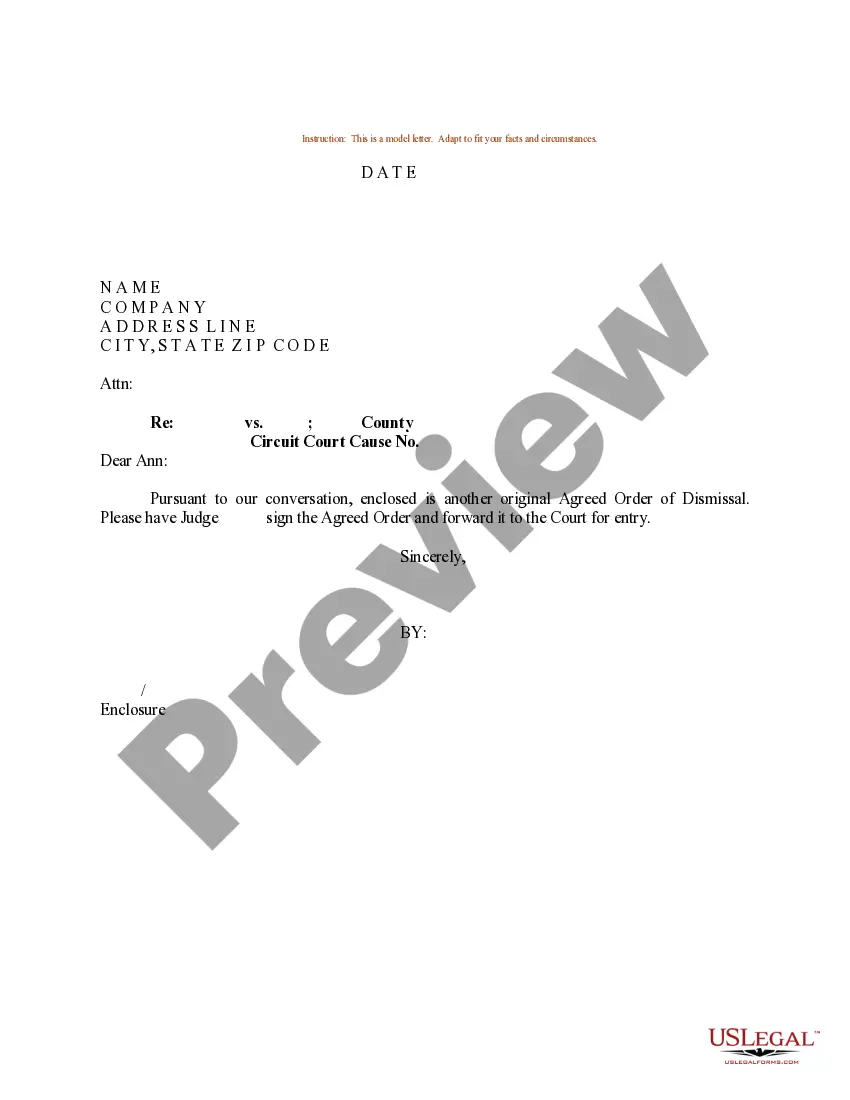
Sample Letter For Court Appeal In Sacramento
Description
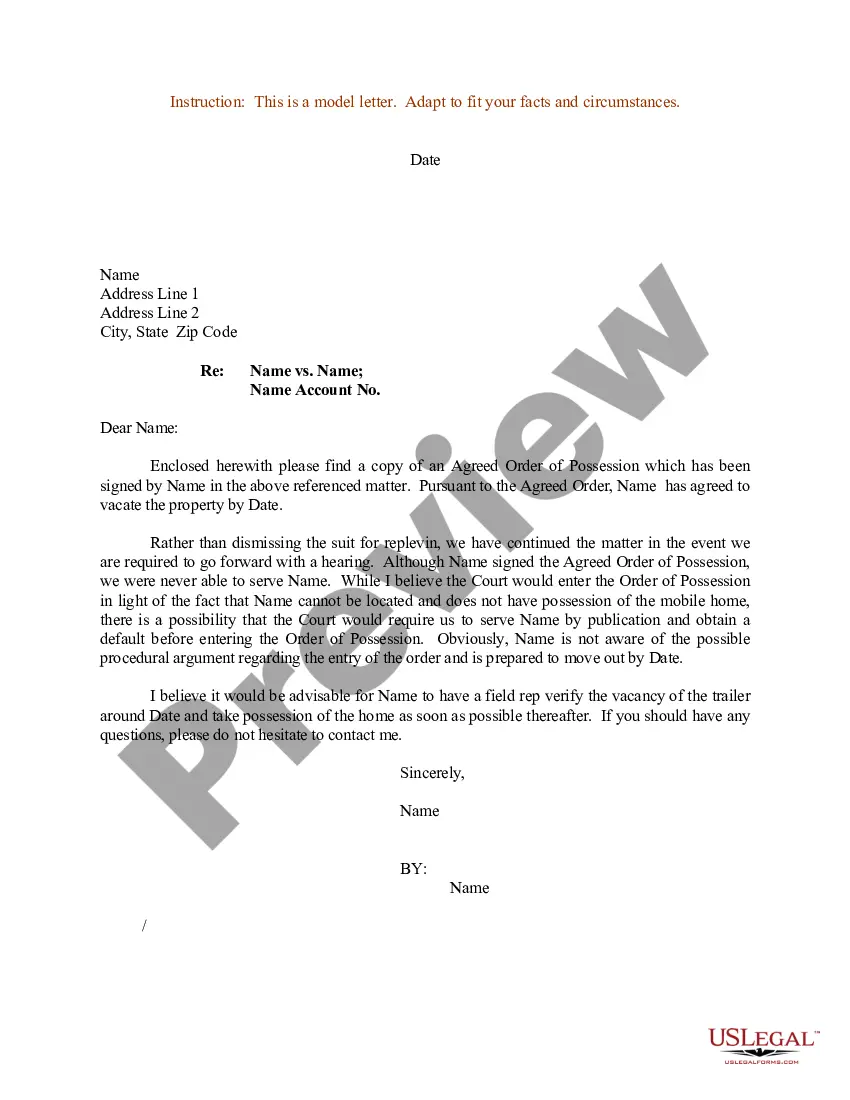
Get your form ready online
Our built-in tools help you complete, sign, share, and store your documents in one place.
Make edits, fill in missing information, and update formatting in US Legal Forms—just like you would in MS Word.
Download a copy, print it, send it by email, or mail it via USPS—whatever works best for your next step.
Sign and collect signatures with our SignNow integration. Send to multiple recipients, set reminders, and more. Go Premium to unlock E-Sign.
If this form requires notarization, complete it online through a secure video call—no need to meet a notary in person or wait for an appointment.
We protect your documents and personal data by following strict security and privacy standards.

Make edits, fill in missing information, and update formatting in US Legal Forms—just like you would in MS Word.

Download a copy, print it, send it by email, or mail it via USPS—whatever works best for your next step.

Sign and collect signatures with our SignNow integration. Send to multiple recipients, set reminders, and more. Go Premium to unlock E-Sign.

If this form requires notarization, complete it online through a secure video call—no need to meet a notary in person or wait for an appointment.

We protect your documents and personal data by following strict security and privacy standards.
Looking for another form?

Form popularity
FAQ
1. Civil Appeal against any judgment or order. 90 days The date of the judgment or order.
(a) Normal time (1) Except as provided in (A), (B), and (2), a notice of appeal must be filed within 60 days after the rendition of the judgment or the making of the order being appealed.
California State Court A party in either a civil or criminal case who wishes to appeal the outcome of the case has only 60 days from the date of judgment to file a notice of appeal.
(1) Except as provided in (A), (B), and (2), a notice of appeal must be filed within 60 days after the rendition of the judgment or the making of the order being appealed.
How to write a letter of appeal in 8 simple steps Understand the decision. Review the appeal process. Gather all the information you have. Determine who will be reading your appeal. Explain what happened. Explain why you disagree. Propose an alternative outcome. Sign your letter.
The best approach is to write a chronological description of the underlying facts of the case. Include the circumstances of the crime, the charges against the defendant, and then the trial. Create a narrative; do not recite all the facts of the entire crime or the trial. Use only what is necessary for your argument.
How to write a letter of reconsideration of appeal Confirm the recipient's information. Consider why you want a reconsideration. Find out why they passed. Support your request. Add a conclusion.
When appealing against a guilty verdict a defendant might say: there was something unfair about the way their trial took place. a mistake was made in their trial. the verdict could not be sustained on the evidence.
Content and Tone Opening Statement. The first sentence or two should state the purpose of the letter clearly. Be Factual. Include factual detail but avoid dramatizing the situation. Be Specific. Documentation. Stick to the Point. Do Not Try to Manipulate the Reader. How to Talk About Feelings. Be Brief.
How to write a letter of reconsideration of appeal Confirm the recipient's information. Consider why you want a reconsideration. Find out why they passed. Support your request. Add a conclusion.