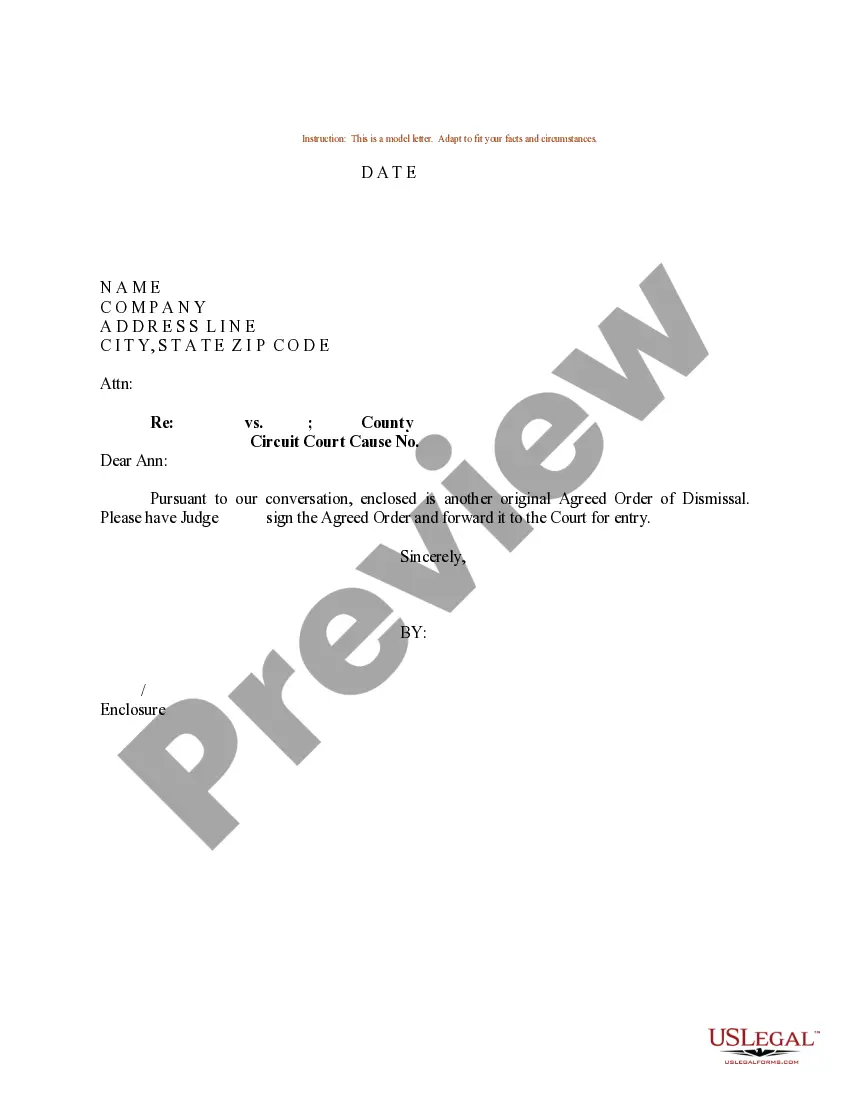
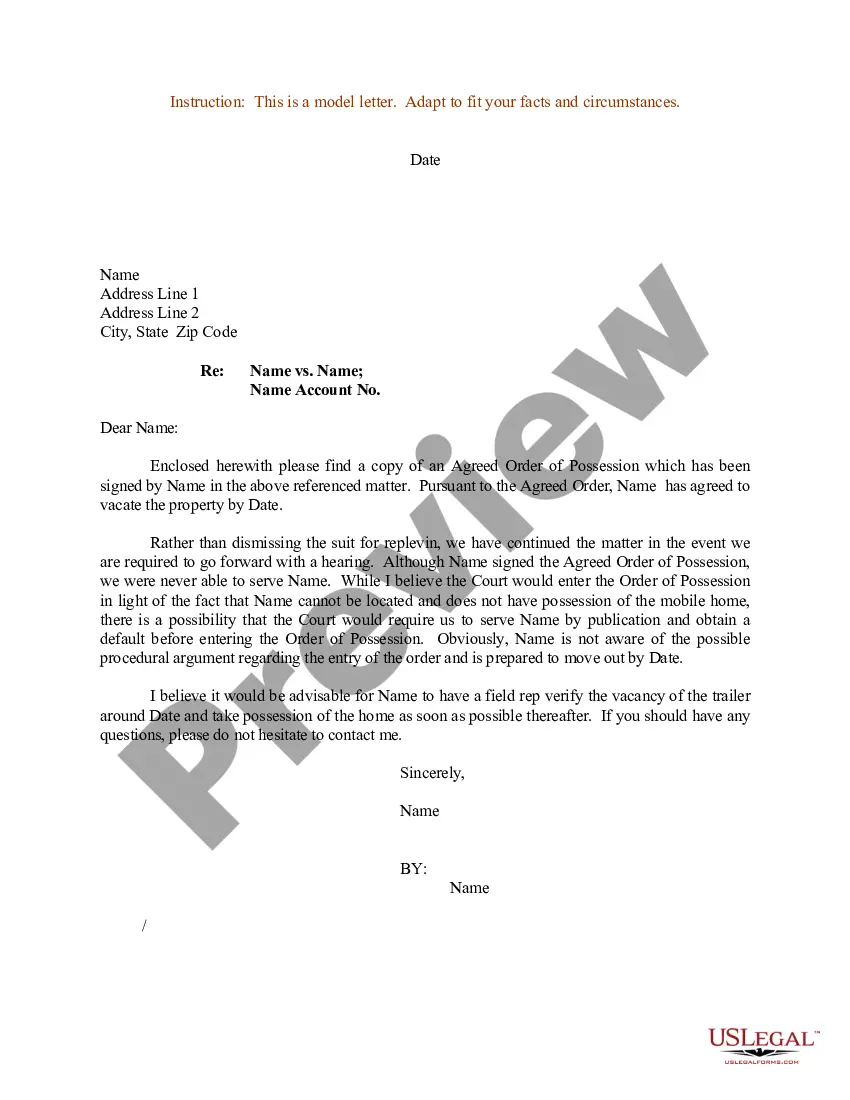
Court Letter Sample With Reference In Queens
Description


Get your form ready online
Our built-in tools help you complete, sign, share, and store your documents in one place.
Make edits, fill in missing information, and update formatting in US Legal Forms—just like you would in MS Word.
Download a copy, print it, send it by email, or mail it via USPS—whatever works best for your next step.
Sign and collect signatures with our SignNow integration. Send to multiple recipients, set reminders, and more. Go Premium to unlock E-Sign.
If this form requires notarization, complete it online through a secure video call—no need to meet a notary in person or wait for an appointment.
We protect your documents and personal data by following strict security and privacy standards.

Make edits, fill in missing information, and update formatting in US Legal Forms—just like you would in MS Word.

Download a copy, print it, send it by email, or mail it via USPS—whatever works best for your next step.

Sign and collect signatures with our SignNow integration. Send to multiple recipients, set reminders, and more. Go Premium to unlock E-Sign.

If this form requires notarization, complete it online through a secure video call—no need to meet a notary in person or wait for an appointment.

We protect your documents and personal data by following strict security and privacy standards.
Looking for another form?









Form popularity
FAQ
Certificates of Disposition are available from the clerk's office in either the Criminal Court or the Supreme Court, Criminal Term, both trial courts in New York City. It is also available in all other city courts in Upstate New York, for example, Binghamton, New York, and Plattsburgh, New York.
To request a Certificate of Disposition bring the following items to the Central Clerk's Office in the court in which your case was processed: Defendant's full name and date of birth • Docket Number (if you know it) • Picture I.D. $10.00 (exact change only). If you are receiving public benefits, present your valid N.Y.
The disposition on a criminal record is the current status or final outcome of an arrest or prosecution. Common dispositions are: Convicted: means you have plead or been found guilty by a court of law. Acquitted: means you have been found not guilty by a court of law in a criminal trial.
To file a motion for contempt in New York, certain criteria must be met. There must be an existing order of the court that is clear and unambiguous, and the accused must be proven to have known about this order and willfully disobeyed it.
After a summons with notice is served, the defendant will demand that the plaintiff serve a complaint. The plaintiff must then have the complaint served within 20 days after being served with the demand, or the case may be dismissed.
A certified disposition can only be issued by the court where the case took place. Courts have different procedures and requirements for how to get a certified disposition. Some courts may require that you make your request in person, while others may honor requests made by mail, phone, or online.
A disposition tells you the outcome of the case, whether the person was ultimately found guilty or not. However, if the disposition indicates that the individual was convicted, it doesn't tell you whether they went to jail or for how long.
A summons with notice is a type of summons. The summons with notice is not served with the complaint. It contains all of the information described above for the summons, plus a brief description of the type of case and the relief the plaintiff is asking the court to grant.
A summons with notice or summons and complaint must be served within 120 days of filing with the County Clerk.
The written response must be made within 20 days of personal service, or within 30 days of the time when service by any other means is complete.

