Court Letter Sample With Attention In Phoenix
Description




Get your form ready online
Our built-in tools help you complete, sign, share, and store your documents in one place.
Make edits, fill in missing information, and update formatting in US Legal Forms—just like you would in MS Word.
Download a copy, print it, send it by email, or mail it via USPS—whatever works best for your next step.
Sign and collect signatures with our SignNow integration. Send to multiple recipients, set reminders, and more. Go Premium to unlock E-Sign.
If this form requires notarization, complete it online through a secure video call—no need to meet a notary in person or wait for an appointment.
We protect your documents and personal data by following strict security and privacy standards.

Make edits, fill in missing information, and update formatting in US Legal Forms—just like you would in MS Word.

Download a copy, print it, send it by email, or mail it via USPS—whatever works best for your next step.

Sign and collect signatures with our SignNow integration. Send to multiple recipients, set reminders, and more. Go Premium to unlock E-Sign.

If this form requires notarization, complete it online through a secure video call—no need to meet a notary in person or wait for an appointment.

We protect your documents and personal data by following strict security and privacy standards.
Looking for another form?

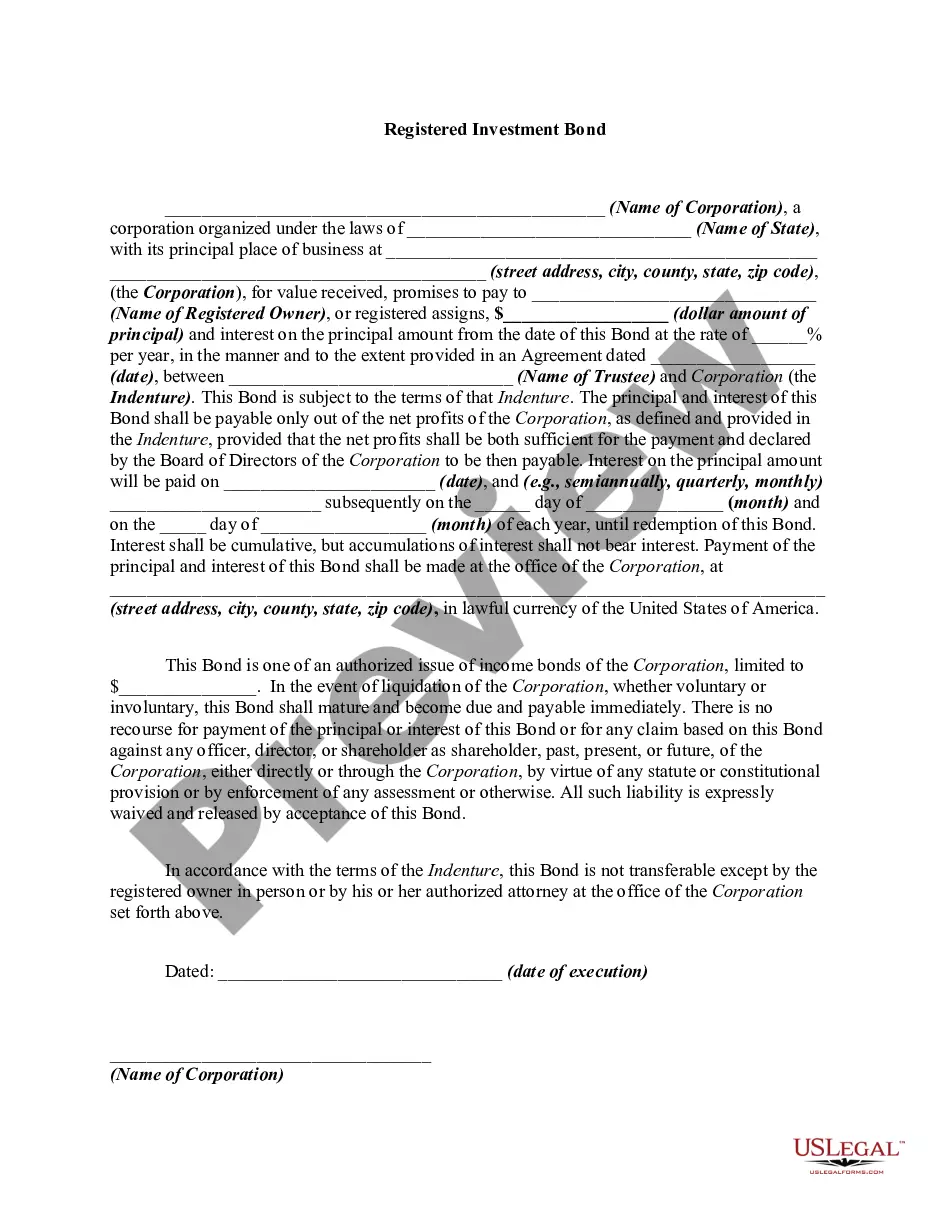




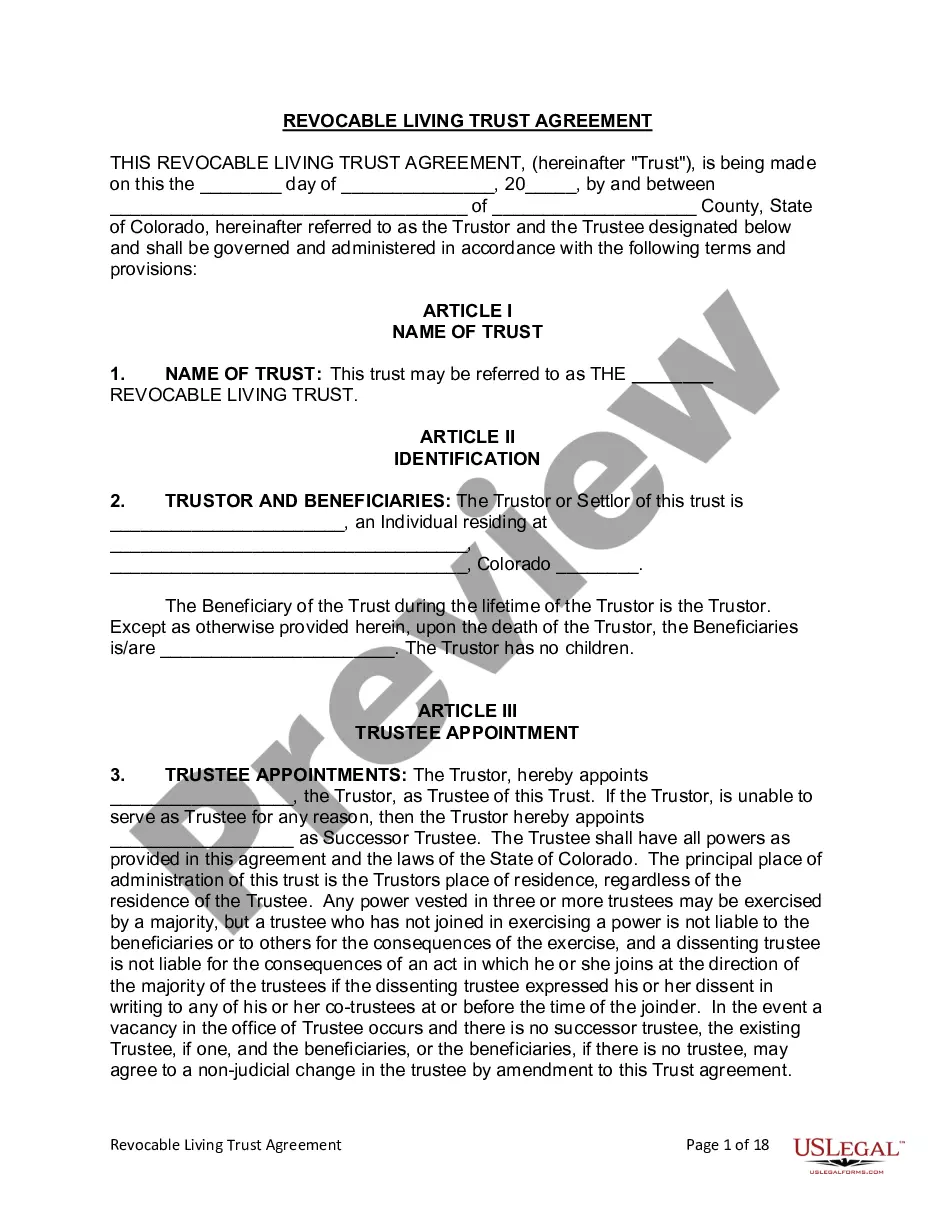
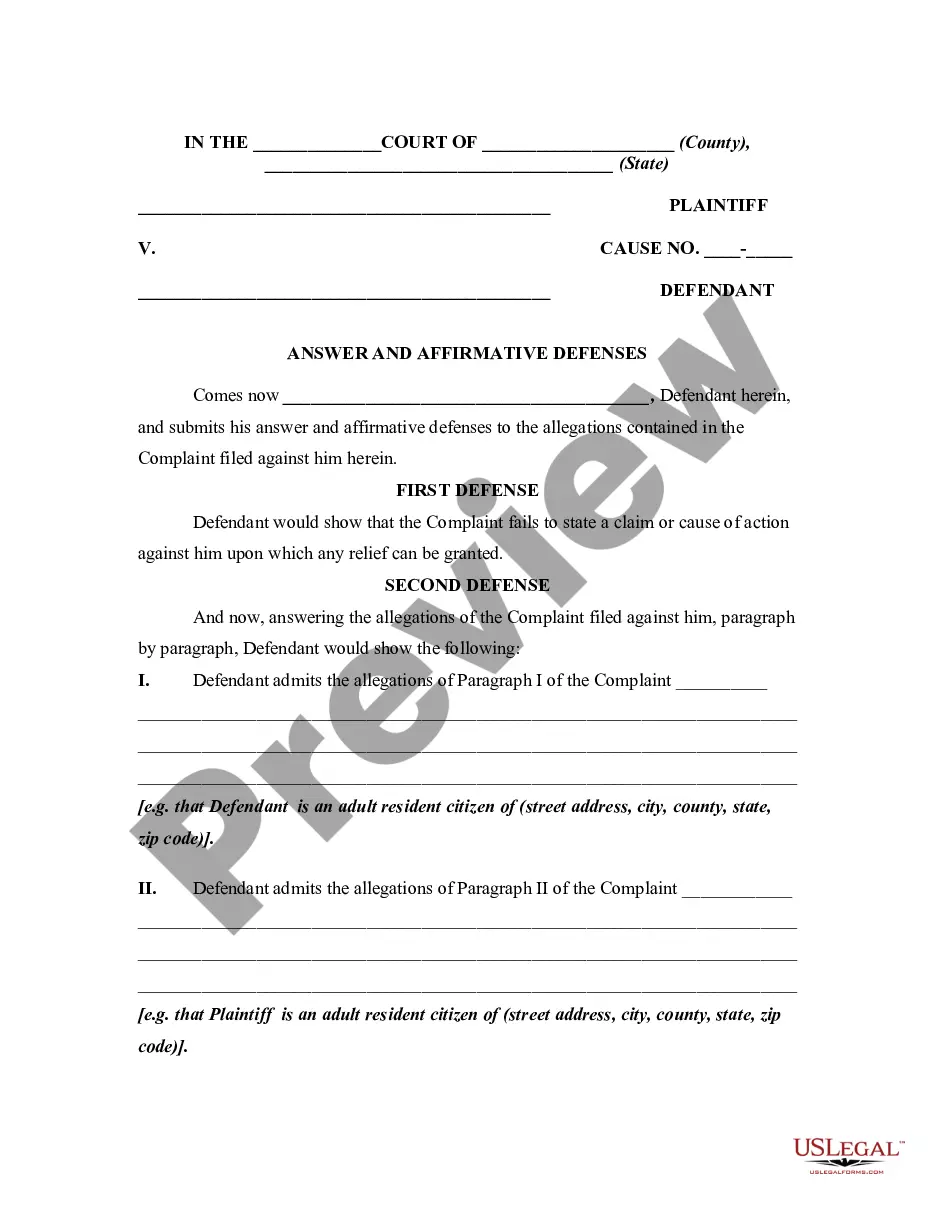


Form popularity
FAQ
You start by addressing the letter to the Honorable Judge so and so, and begin with Your honor. You end with respectfully yours, and then sign your name (write your name in block letters underneath your signature.
Begin with a formal salutation, such as "Dear Judge Last Name," and introduce yourself and your case. Clearly state your reasons for requesting a continuance and provide supporting evidence. Conclude your letter by expressing your gratitude and willingness to cooperate with the court's decision.
Use Vivid Language: Paint a picture with your words to evoke emotions. Keep It Concise: While you want to express your feelings, be mindful not to overwhelm her. Aim for clarity and impact. Edit and Revise: Take time to review your letter. Ensure it flows well and conveys your emotions clearly.
Letters from non-lawyers to judges are absolutely to be avoided. They are inappropriate and violate many rules regarding proper communication with judges. Some letters may be in violation of criminal law that prohibits improper efforts to influenc...
For individuals writing character letters, the goal should be to first establish your credibility as a reference for the defendant. Next, the letter should describe the defendant, in order to help the judge better understand him or her beyond the offense committed.
When writing, avoid simply describing the defendant in terms like “he is loyal.” Instead, tell a story about his loyalty, or how he has been an upstanding member of the community. A story will stand out in the judge's mind more than adjectives will, making your letter more effective.
The plaintiff files a document (complaint) with the clerk of the court stating the reasons why the plaintiff is suing the defendant, and what action the plaintiff wants the court to take. A copy of the complaint and a summons are delivered to (served on) the defendant.
You start a lawsuit by filing a complaint. In some circumstances, you file a petition or a motion. The court has several complaint forms that you may use in drafting your complaint. The forms are available online and at the Pro Se Intake Unit.
Timeline of How to File a Lawsuit Step 1: File a Complaint. Plaintiff files a complaint and summons with the local county court. Step 2: Answer Complaint. Step 3: Discovery. Step 4: Failing to Respond to Discovery. Step 5: Conclusion of Lawsuit.
For each paragraph in the complaint, state whether: the defendant admits the allegations in that paragraph; denies the allegations; lacks sufficient knowledge to admit or deny the allegations; or admits certain allegations but denies, or lacks sufficient knowledge to admit or deny, the rest.

