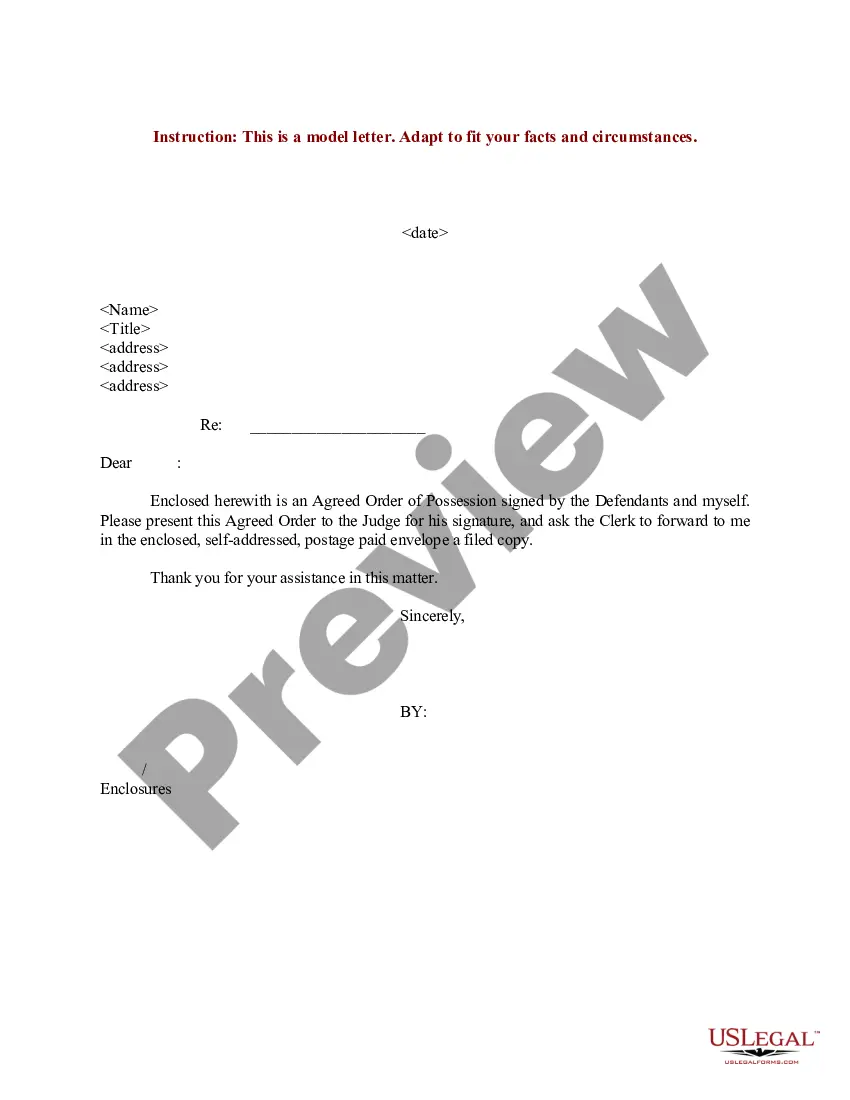
Court Letter Sample For Child Custody In Philadelphia
Description
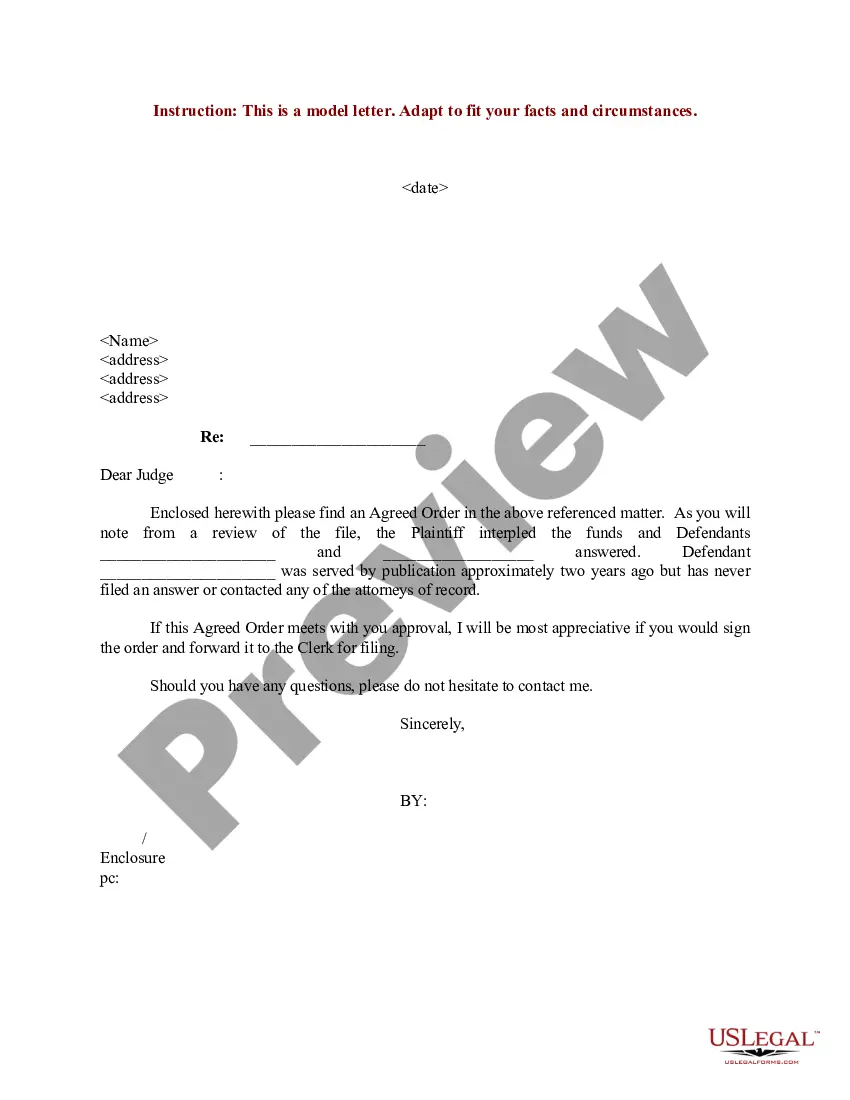
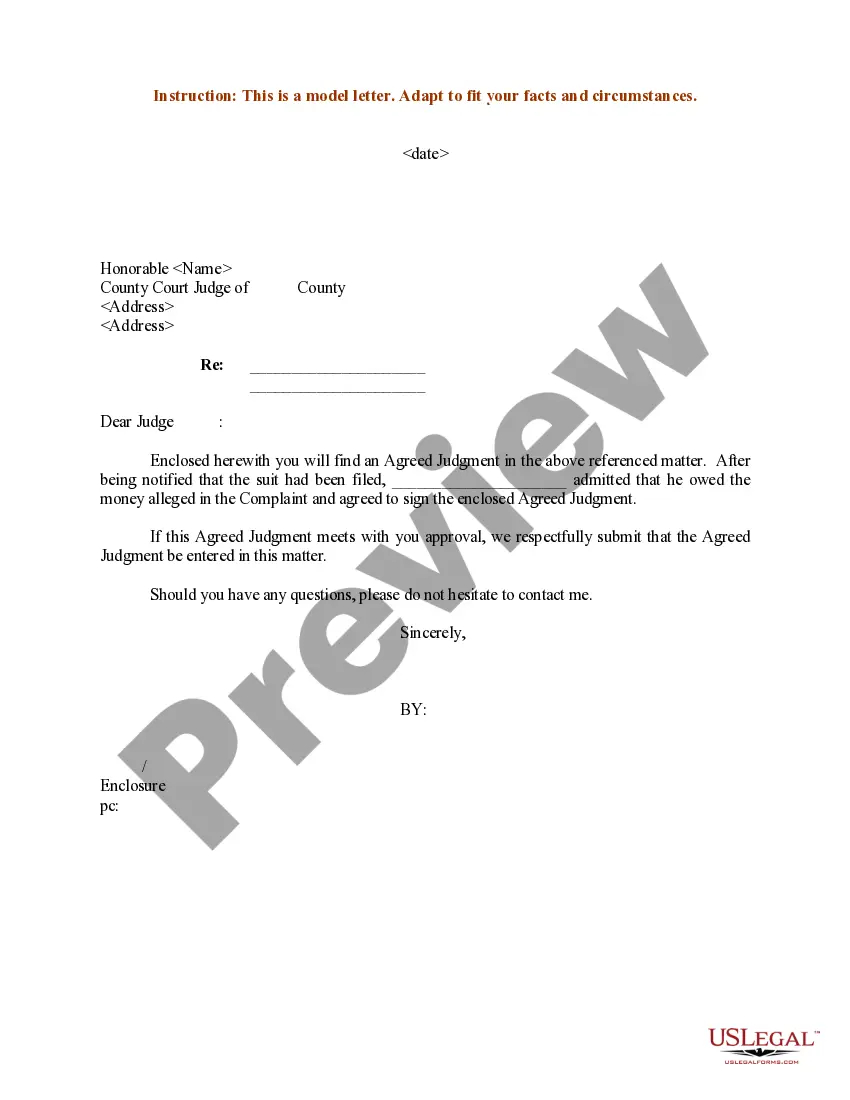
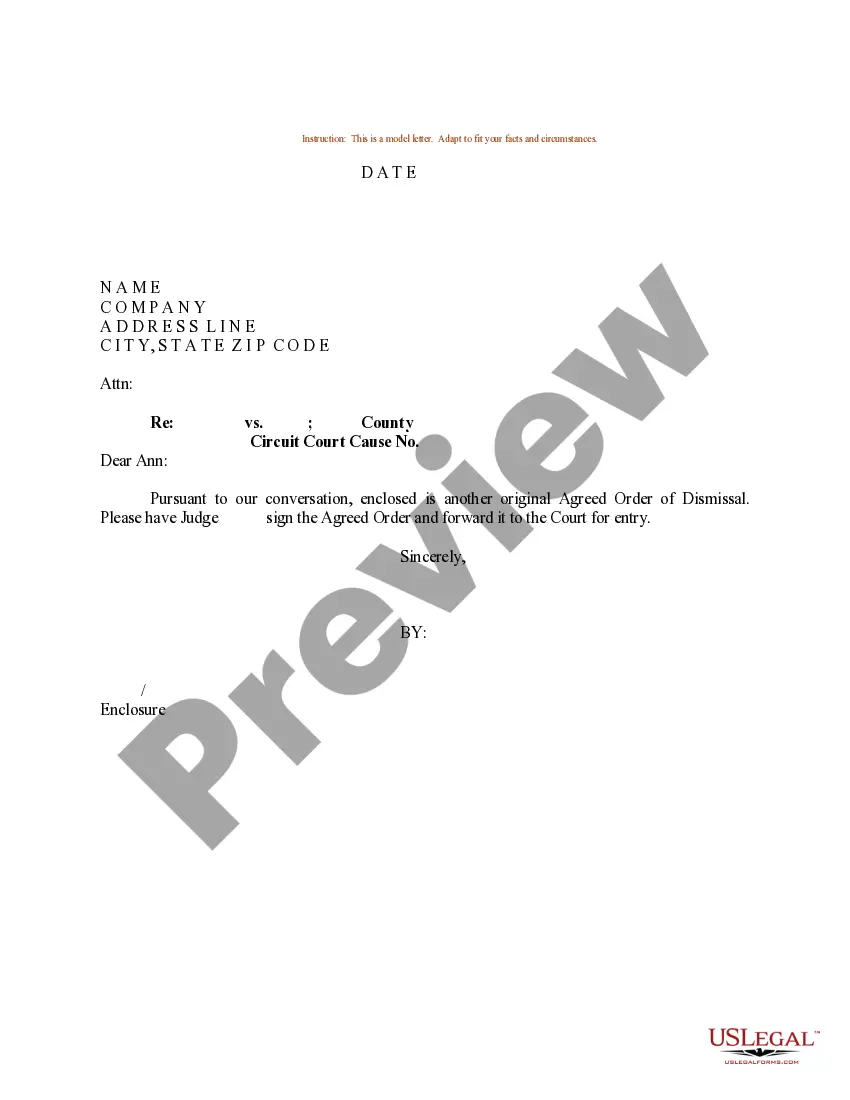
Get your form ready online
Our built-in tools help you complete, sign, share, and store your documents in one place.
Make edits, fill in missing information, and update formatting in US Legal Forms—just like you would in MS Word.
Download a copy, print it, send it by email, or mail it via USPS—whatever works best for your next step.
Sign and collect signatures with our SignNow integration. Send to multiple recipients, set reminders, and more. Go Premium to unlock E-Sign.
If this form requires notarization, complete it online through a secure video call—no need to meet a notary in person or wait for an appointment.
We protect your documents and personal data by following strict security and privacy standards.

Make edits, fill in missing information, and update formatting in US Legal Forms—just like you would in MS Word.

Download a copy, print it, send it by email, or mail it via USPS—whatever works best for your next step.

Sign and collect signatures with our SignNow integration. Send to multiple recipients, set reminders, and more. Go Premium to unlock E-Sign.

If this form requires notarization, complete it online through a secure video call—no need to meet a notary in person or wait for an appointment.

We protect your documents and personal data by following strict security and privacy standards.
Looking for another form?

Form popularity
FAQ
Tips for writing a character reference letter for custody Keep it relevant: Align the content with what is important for raising a child, such as emotional support, stability, and active involvement in the child's life. Be concise: While detail is important, the letter should be concise—typically one page.
Provide a concise summary of the key issues and events pertaining to the custody situation. Focus on highlighting factors that would be in the best interests of any children involved, such as stability, safety, and meeting the children's needs. Avoid making accusations or attacking your former spouse directly.
Provide a concise summary of the key issues and events pertaining to the custody situation. Focus on highlighting factors that would be in the best interests of any children involved, such as stability, safety, and meeting the children's needs. Avoid making accusations or attacking your former spouse directly.
You can prove to the courts that you are a parent who acts in the best interests of the child by establishing that: You can provide the child with ideal living conditions. You are attentive to the child's needs and preferences. You are fair to the other parent.
Good Words To Use In Custody Hearing Your Child is Not Property. The primary thing you must remember is that your child is not property. Best Interests of Child. With that in mind, you must always remember in Court, it is about your children. Status Quo. Child's Schedule. Co-Parenting. Flexibility. Step-Up Plan. Our Child.
7 Strategies for Keeping a Healthy Mindset During a Child Custody... BE PREPARED TO SHARE. A child custody case is an ordeal you shouldn't have to go through alone. HAVE A PLAN. TAKE CARE OF YOURSELF. COMMUNICATION IS KEY. PUT YOUR CHILDREN'S NEEDS FIRST. AVOID SOCIAL MEDIA. FIND A GOOD LAWYER IN HOUSTON, TX.
Disrespectful Language : Avoid using any form of disrespect, such as insults, sarcasm, or derogatory remarks about the judge, the opposing party, or even the legal system. Negative Comments About the Other Parent : Speaking poorly about the other parent can reflect badly on you. Emotional Outbursts
Five Key Pieces of Evidence You Need To Win In (Physical) Custody Litigation Fact Witnesses. Unfortunately, custody disputes are often contentious and emotional. Experts. Photos and Journals. Evidence of the Child's Wishes. School and Medical Records.
Mothers historically have won more custody battles due to traditional roles and perceptions of mothers as the primary caregivers. However, this trend is changing as courts increasingly focus on the best interests of the child, considering many factors beyond traditional roles.
Factors the Court Uses to Determine Child Custody Parent's Ability To Care for the Child's Needs (Physical, Emotional, and Financial) ... Ability to Share the Child's Time and Affection. Fitness as a Parent. Living Arrangements. Stability and Continuity in the Child's Life. Child's Wishes.