Letter Format For Court In Pennsylvania
Description




Get your form ready online
Our built-in tools help you complete, sign, share, and store your documents in one place.
Make edits, fill in missing information, and update formatting in US Legal Forms—just like you would in MS Word.
Download a copy, print it, send it by email, or mail it via USPS—whatever works best for your next step.
Sign and collect signatures with our SignNow integration. Send to multiple recipients, set reminders, and more. Go Premium to unlock E-Sign.
If this form requires notarization, complete it online through a secure video call—no need to meet a notary in person or wait for an appointment.
We protect your documents and personal data by following strict security and privacy standards.

Make edits, fill in missing information, and update formatting in US Legal Forms—just like you would in MS Word.

Download a copy, print it, send it by email, or mail it via USPS—whatever works best for your next step.

Sign and collect signatures with our SignNow integration. Send to multiple recipients, set reminders, and more. Go Premium to unlock E-Sign.

If this form requires notarization, complete it online through a secure video call—no need to meet a notary in person or wait for an appointment.

We protect your documents and personal data by following strict security and privacy standards.
Looking for another form?





Form popularity
FAQ
There are three basic levels to the Pennsylvania Court System: minor courts, Courts of Common Pleas, and statewide intermediate appellate courts, which are called the Commonwealth Court and the Superior Court.
The federal court system has three main levels: district courts (the trial court), circuit courts which are the first level of appeal, and the Supreme Court of the United States, the final level of appeal in the federal system.
The Eastern District contains 22 judges, the Middle District contains six judges, and the Western District contains 10 judges. Decisions by all three district courts may be appealed to the Third Circuit Court of Appeals. There are two main situations in which a federal court holds jurisdiction over a case.
In Pennsylvania, there are three federal district courts, state supreme court, a superior court, a commonwealth court, and trial courts with both general and limited jurisdiction. These courts serve different purposes, which are outlined in the sections below.
The Supreme Court of Pennsylvania is the highest court in the Commonwealth and the oldest appellate court in the nation.
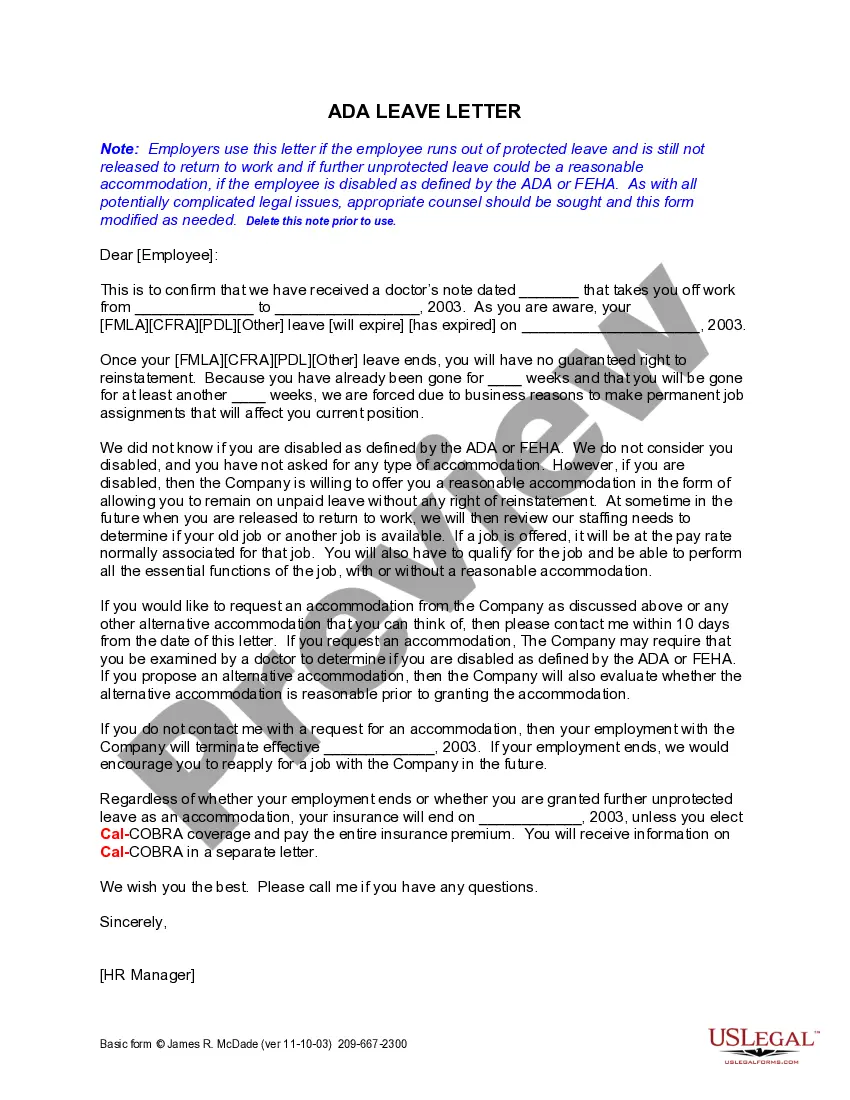
Court Letter Template City, State ZIP Code Dear Judge's Name, I am writing to bring your attention to a claim I have against name of defendant regarding briefly describe the nature of the claim. On date of incident, I briefly describe what happened.
The course of a civil case: Both sides gather evidence. Pre-trial conference takes place between judge and attorneys for both sides to discuss possible settlement. If there is no settlement, trial takes place and a verdict is rendered. Either party can appeal the decision to appellate courts.
All court case files are open to the public, unless sealed by court order. You do not need to make an Open Records Request to view court files or obtain copies of documents in court case files. Civil or Family Court Records - Case files, or call 412-350-4200. Criminal Court Records - Case files, or call 412-350-5322.
As in most states, the statute of limitations in civil cases in Pennsylvania is two years. In most cases, this means that victims have two years from the date of their injury to file a civil lawsuit.
Most often, but not exclusively, the Court reviews: Requests for discretionary appeals from the Commonwealth Court and Superior Court. Direct Appeals from a lower court's decision, including when a sentence of death is issued. Requests to intervene in a lower court's proceedings.

