Sample Letter To Court For Community Service In Palm Beach
Description
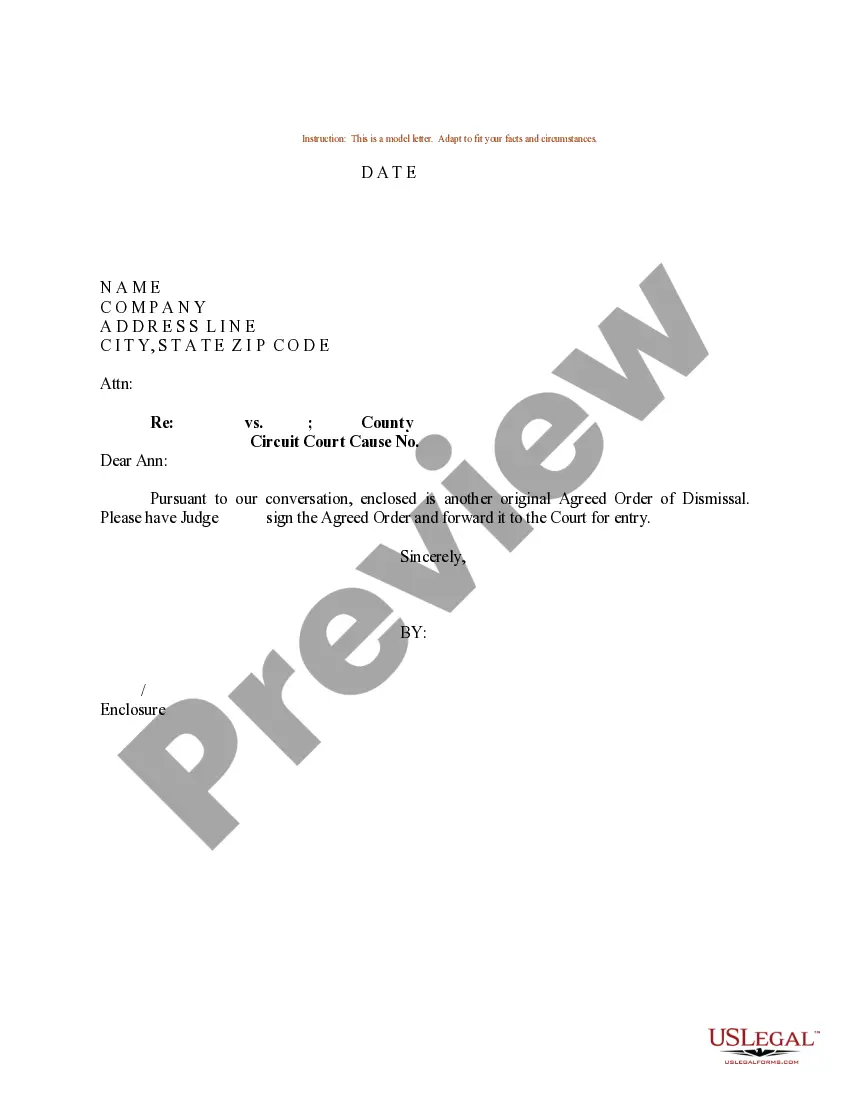
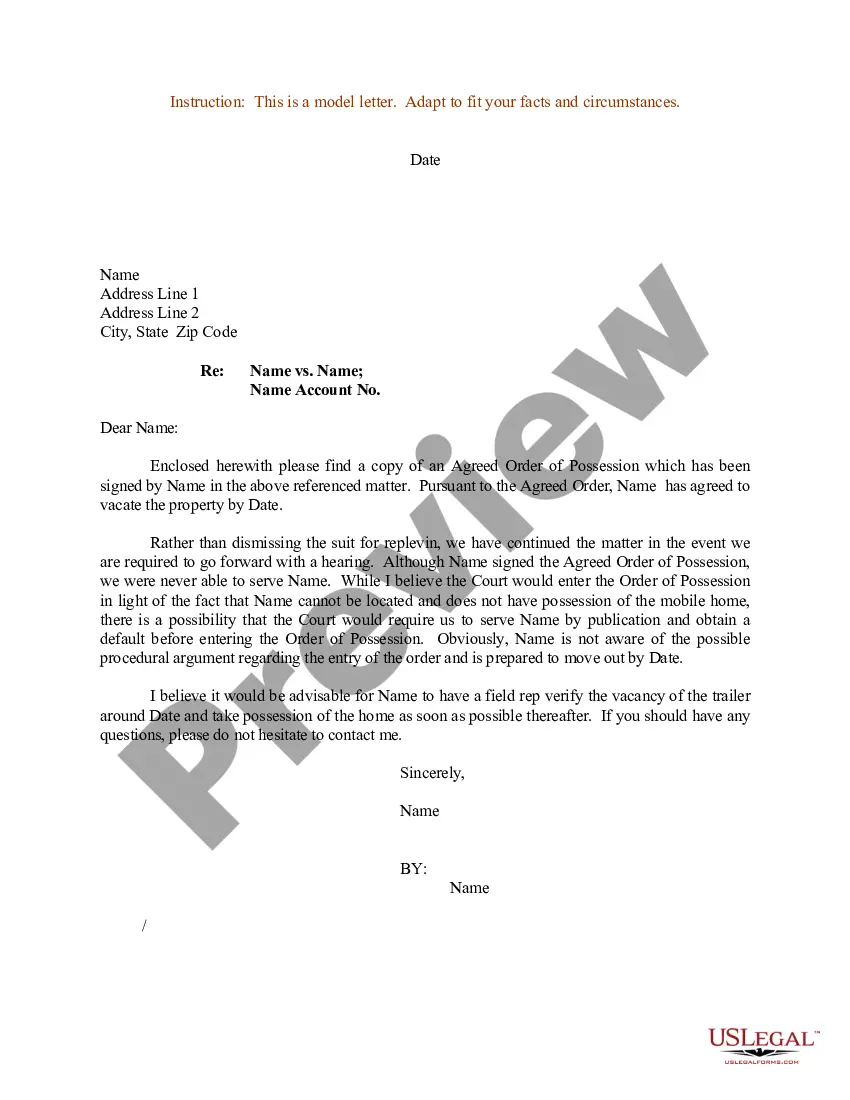
Get your form ready online
Our built-in tools help you complete, sign, share, and store your documents in one place.
Make edits, fill in missing information, and update formatting in US Legal Forms—just like you would in MS Word.
Download a copy, print it, send it by email, or mail it via USPS—whatever works best for your next step.
Sign and collect signatures with our SignNow integration. Send to multiple recipients, set reminders, and more. Go Premium to unlock E-Sign.
If this form requires notarization, complete it online through a secure video call—no need to meet a notary in person or wait for an appointment.
We protect your documents and personal data by following strict security and privacy standards.

Make edits, fill in missing information, and update formatting in US Legal Forms—just like you would in MS Word.

Download a copy, print it, send it by email, or mail it via USPS—whatever works best for your next step.

Sign and collect signatures with our SignNow integration. Send to multiple recipients, set reminders, and more. Go Premium to unlock E-Sign.

If this form requires notarization, complete it online through a secure video call—no need to meet a notary in person or wait for an appointment.

We protect your documents and personal data by following strict security and privacy standards.
Looking for another form?
Form popularity
FAQ
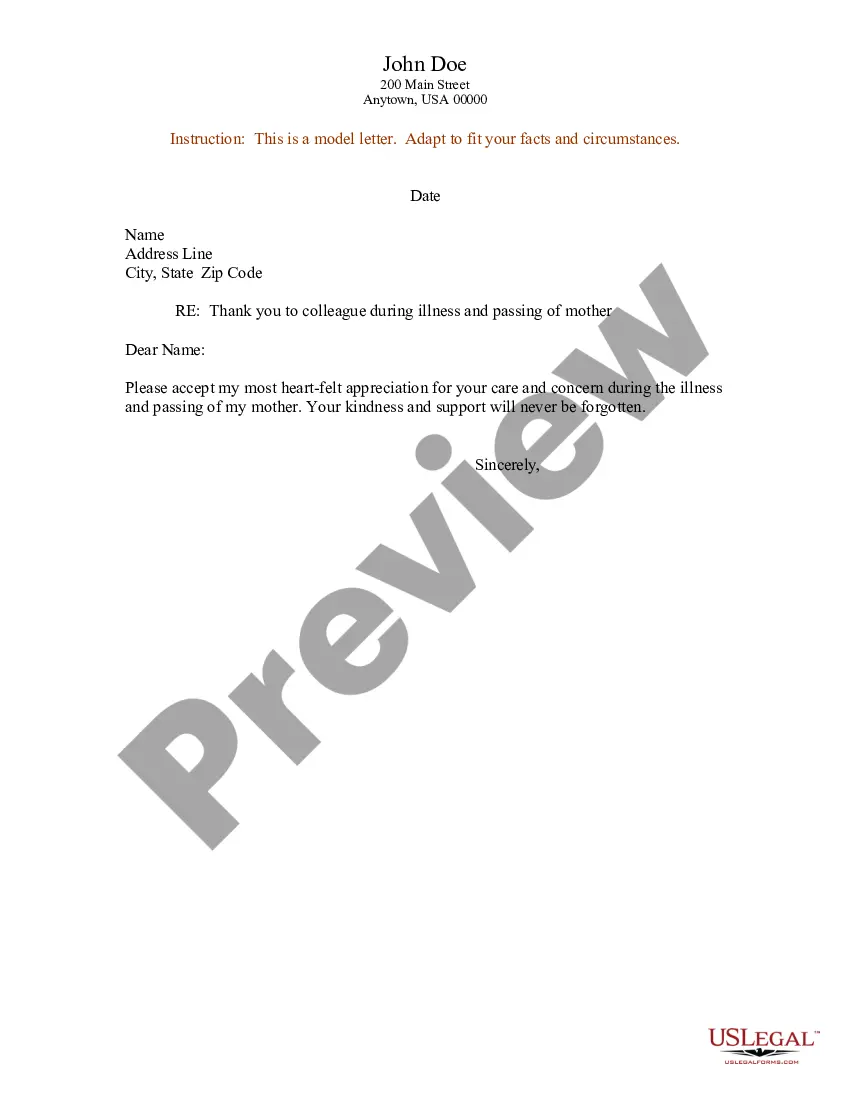
Your letter can be typed or neatly handwritten. You should date and sign your letter. You don't need to write formal words to the Court, just make sure everything in your letter is genuine. It is usually a good idea to keep your letter to a page in length, and no more than two pages.
In most cases, formal letters begin with "Dear Title Last Name." This format is perfect for situations where you know the recipient's name and title.
County Civil Court has jurisdiction over claims up to and including $50,000. A County Civil case is any civil matter that falls within the jurisdiction of County Court. Detail may be found in Chapter 34, Florida Statutes.
Your letter can be typed or neatly handwritten. You should date and sign your letter. You don't need to write formal words to the Court, just make sure everything in your letter is genuine. It is usually a good idea to keep your letter to a page in length, and no more than two pages.
Be sure to include the case name and case number on both the letter and the envelope. The salutation (opener) is either ``May it please the Court'' (preferred) or ``May it please Your Honour'' (``Your Honor'') -- this wording works for any jurisdiction in the world in a letter from a non-lawyer.
You start by addressing the letter to the Honorable Judge so and so, and begin with Your honor. You end with respectfully yours, and then sign your name (write your name in block letters underneath your signature.
Character Letter for Court Sample Template First Paragraph: Begin by introducing yourself. Then, describe your relationship with the individual for whom you are writing the letter, including how long you've known them and the nature of your connection. Second Paragraph: State the purpose of your letter.
Local Court Magistrates should be addressed as “Your Honour” in court, as “Magistrate …” outside of court.
Steps: Address the Councillor (Make sure to use the propper titles Dr, Mrs, Mr, etc.) Introduce yourself. State the cause you are supporting. Include your own experience. Use 2-3 specific points. Include solutions or action you want the councillor to take. Bonus: Ask their position on the issue or include a question.