Sample Letter For Court Appeal In Palm Beach
Description



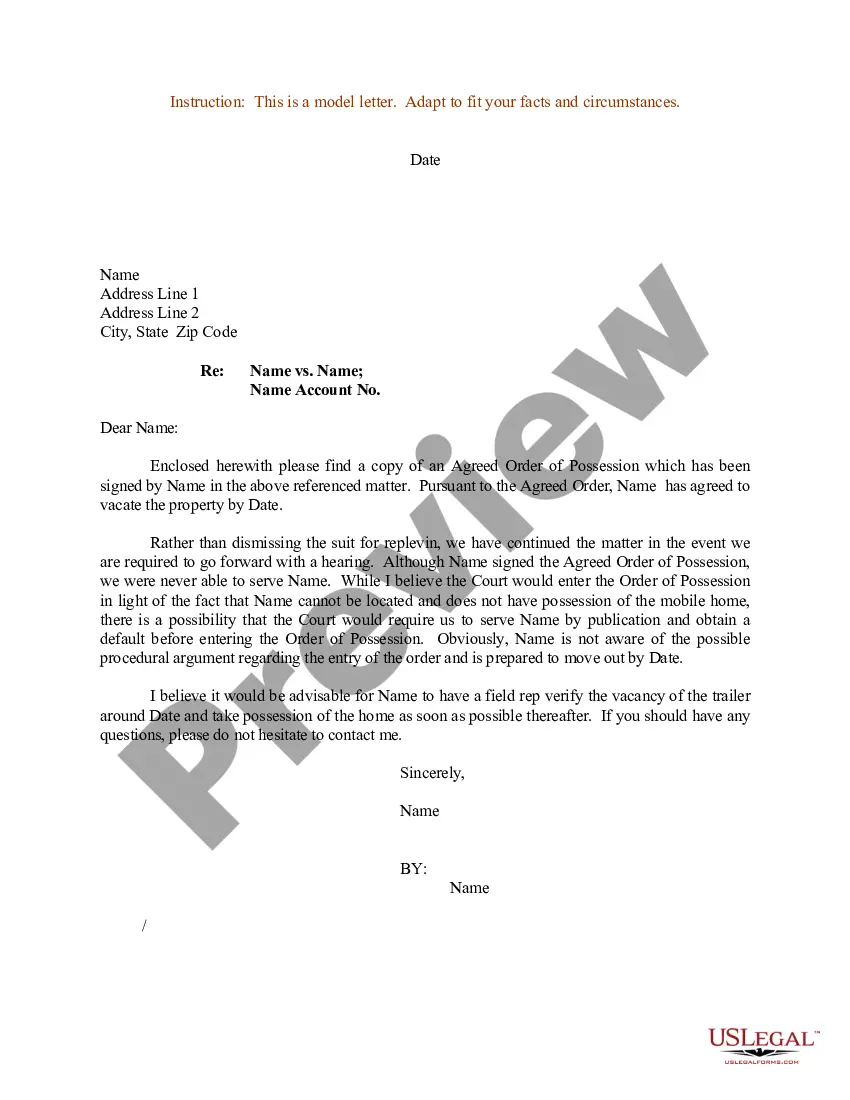
Get your form ready online
Our built-in tools help you complete, sign, share, and store your documents in one place.
Make edits, fill in missing information, and update formatting in US Legal Forms—just like you would in MS Word.
Download a copy, print it, send it by email, or mail it via USPS—whatever works best for your next step.
Sign and collect signatures with our SignNow integration. Send to multiple recipients, set reminders, and more. Go Premium to unlock E-Sign.
If this form requires notarization, complete it online through a secure video call—no need to meet a notary in person or wait for an appointment.
We protect your documents and personal data by following strict security and privacy standards.

Make edits, fill in missing information, and update formatting in US Legal Forms—just like you would in MS Word.

Download a copy, print it, send it by email, or mail it via USPS—whatever works best for your next step.

Sign and collect signatures with our SignNow integration. Send to multiple recipients, set reminders, and more. Go Premium to unlock E-Sign.

If this form requires notarization, complete it online through a secure video call—no need to meet a notary in person or wait for an appointment.

We protect your documents and personal data by following strict security and privacy standards.
Looking for another form?


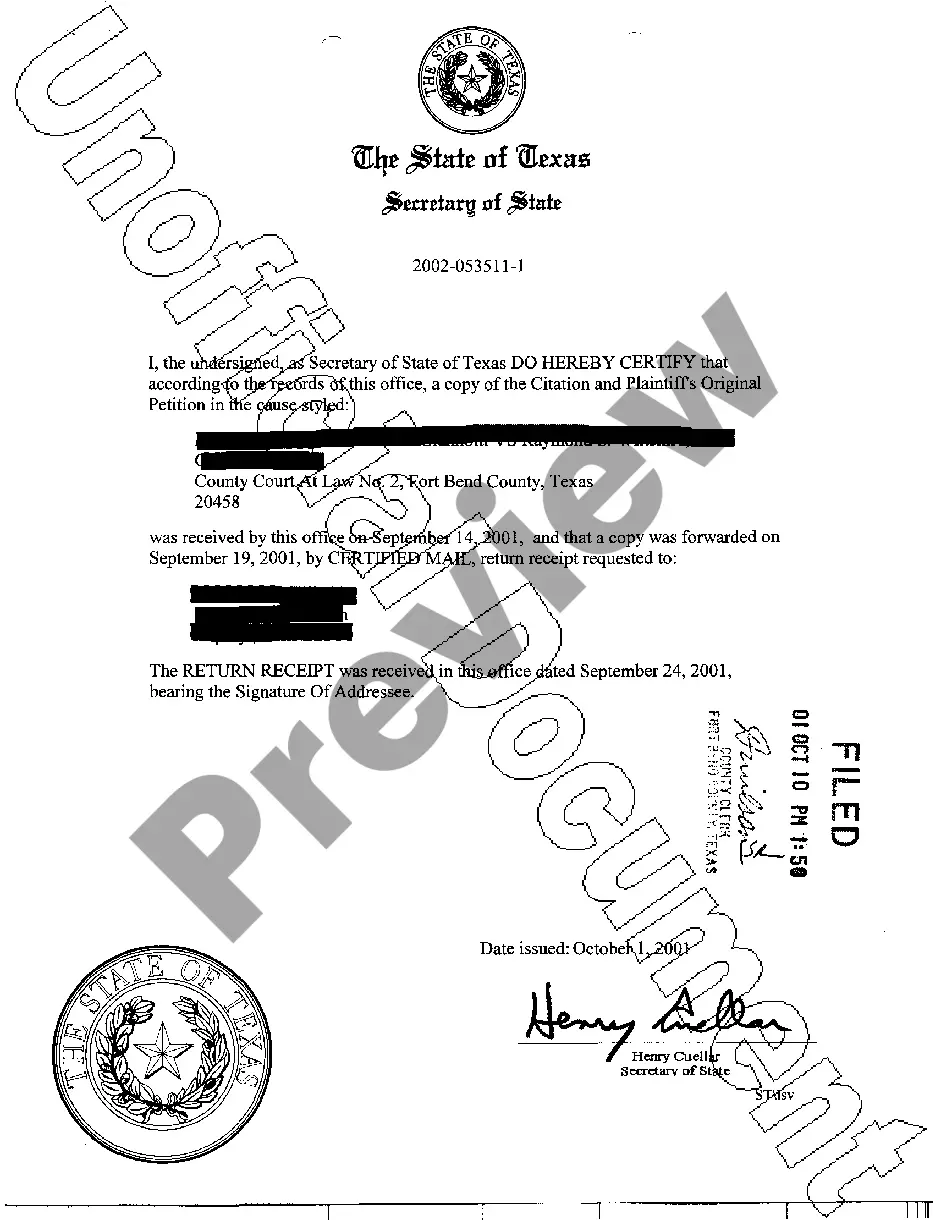
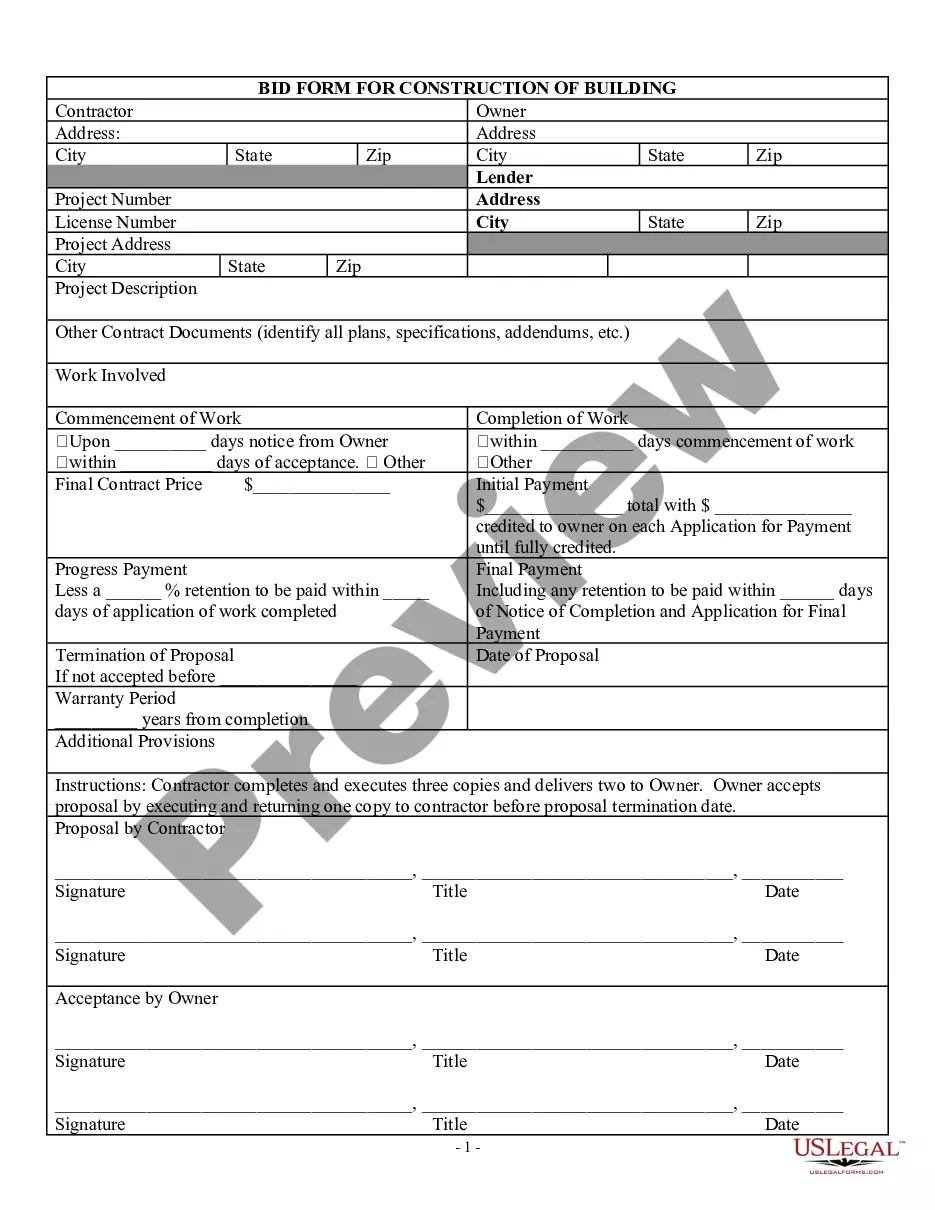
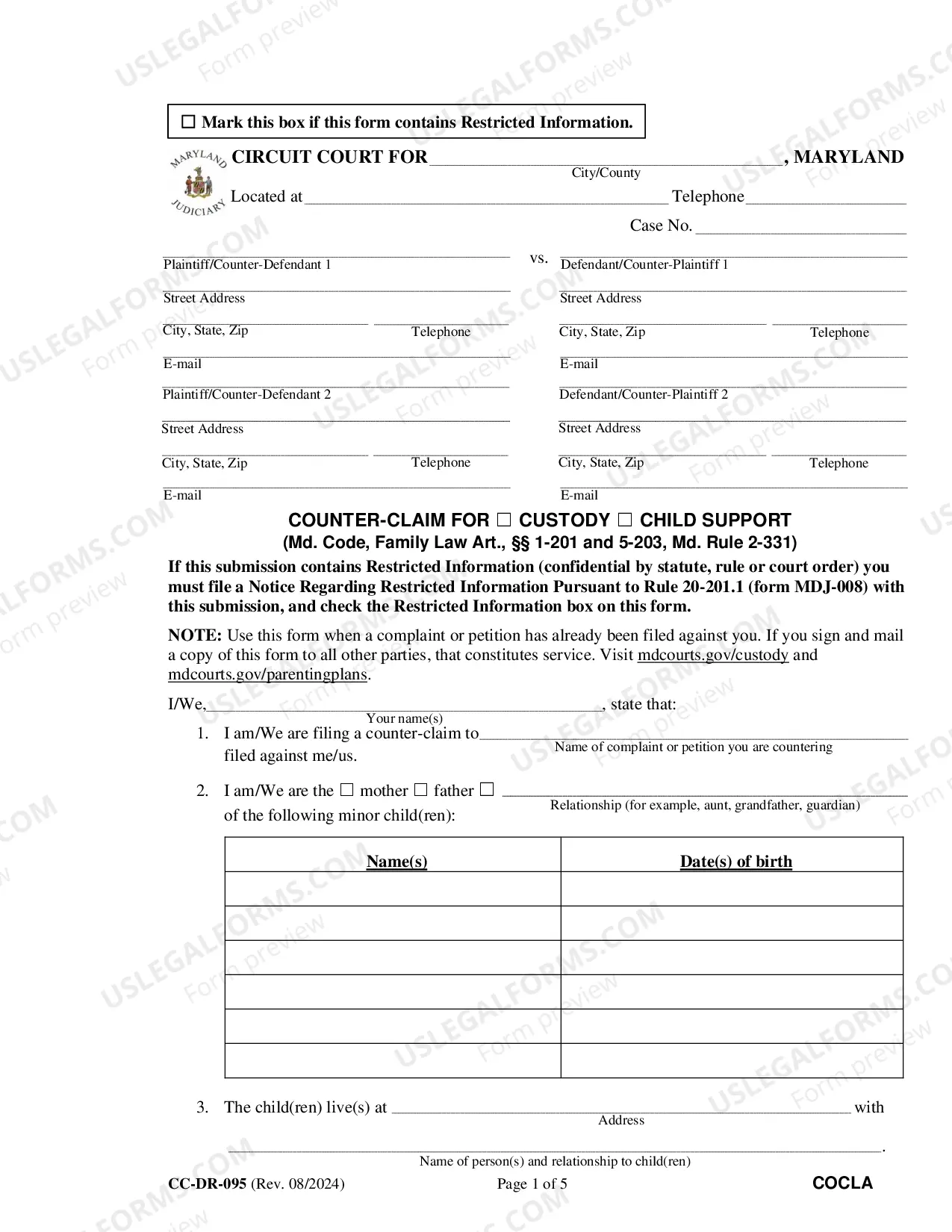


Form popularity
FAQ
How to write a letter of appeal in 8 simple steps Understand the decision. Review the appeal process. Gather all the information you have. Determine who will be reading your appeal. Explain what happened. Explain why you disagree. Propose an alternative outcome. Sign your letter.
This would mean a generic civil appellant has roughly a 1-in-4 chance of turning something around on appeal, and a generic civil appellee has roughly a 1-in-4 chance of watching some part of its victory get overturned.
The appeal may be denied if you cannot show that the lower court made a legal mistake. Some of these mistakes include a violation of your rights, a biased trial judge or denial of counsel. It is worth noting that appellate courts have broad discretion in deciding whether to hear an appeal.
Procedural errors include mistakes, irregularities, or violations of procedural rules during trial proceedings can be grounds for an appeal. Common procedural errors include due process violations, improper admission or exclusion of evidence, and errors in jury instructions.
Desperate people who are appealing for help The government appealed to the people to stay calm. He appealed, arguing that there was not enough evidence to convict him. She lost the case and appealed the following month. We plan to appeal the court's decision.
When appealing against a guilty verdict a defendant might say: there was something unfair about the way their trial took place. a mistake was made in their trial. the verdict could not be sustained on the evidence.
The Notice of Appeal is usually a simple form that can often be found on the state's judiciary website. It typically requires basic information, such as the name of the parties to the appeal, the court and case number of the order being appealed, and in some cases, a summary of the grounds for appeal.
A former DA explains the 5 most common grands to appeal a criminal conviction. These include erroneous admission of evidence, prosecutorial misconduct, jury misconduct, ineffective assistance of counsel and insufficient evidence.
How to write a letter of appeal in 8 simple steps Understand the decision. Review the appeal process. Gather all the information you have. Determine who will be reading your appeal. Explain what happened. Explain why you disagree. Propose an alternative outcome. Sign your letter.
What to include in an appeal letter Your professional contact information. A summary of the situation you're appealing. An explanation of why you feel the decision was incorrect. A request for the preferred solution you'd like to see enacted. Gratitude for considering your appeal. Supporting documents attached, if relevant.

