Court Letter Sample Formal In Palm Beach
Description



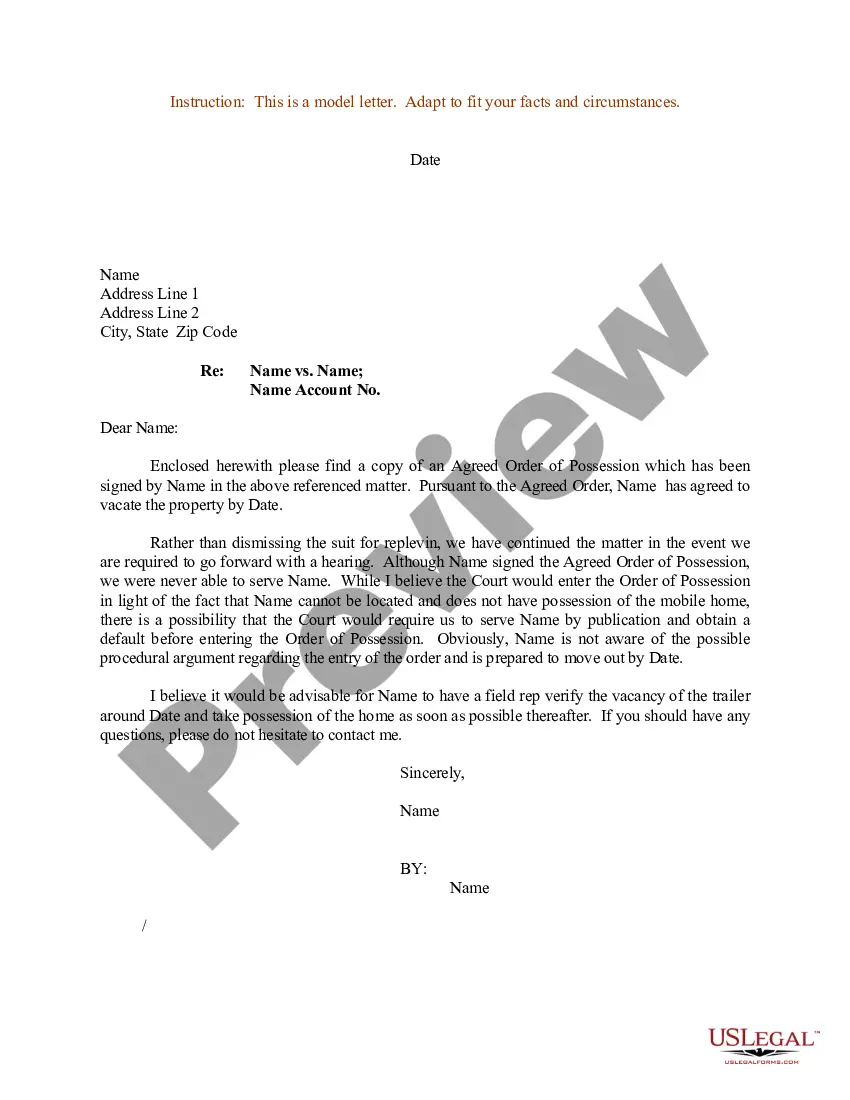
Get your form ready online
Our built-in tools help you complete, sign, share, and store your documents in one place.
Make edits, fill in missing information, and update formatting in US Legal Forms—just like you would in MS Word.
Download a copy, print it, send it by email, or mail it via USPS—whatever works best for your next step.
Sign and collect signatures with our SignNow integration. Send to multiple recipients, set reminders, and more. Go Premium to unlock E-Sign.
If this form requires notarization, complete it online through a secure video call—no need to meet a notary in person or wait for an appointment.
We protect your documents and personal data by following strict security and privacy standards.

Make edits, fill in missing information, and update formatting in US Legal Forms—just like you would in MS Word.

Download a copy, print it, send it by email, or mail it via USPS—whatever works best for your next step.

Sign and collect signatures with our SignNow integration. Send to multiple recipients, set reminders, and more. Go Premium to unlock E-Sign.

If this form requires notarization, complete it online through a secure video call—no need to meet a notary in person or wait for an appointment.

We protect your documents and personal data by following strict security and privacy standards.
Looking for another form?







Form popularity
FAQ
And serious misdemeanors. These are crimes that carry a potential punishment of over a year inMoreAnd serious misdemeanors. These are crimes that carry a potential punishment of over a year in prison. But that's not all circuit courts also handle appeals from lower courts.
County Civil Court has jurisdiction over claims up to and including $50,000. A County Civil case is any civil matter that falls within the jurisdiction of County Court.
Florida's court system consists of the following entities: two appellate-level courts (the supreme court and five district courts of appeal) and two trial-level courts (20 circuit courts and 67 county courts).
Circuit courts have general trial jurisdiction over matters not assigned by statute to the county courts and also hear appeals, if authorized by the Florida Statutes, of decisions in certain administrative, noncriminal infraction, and other types of cases.
In general, County Courts, sometimes called "the people's courts", are courts of limited jurisdiction where minor criminal (misdemeanor) and civil cases are heard. In the Circuit Courts, which are the highest state trial courts in Florida, major criminal (felony), civil, family, juvenile and probate matters are heard.
Any case may be appealed to the circuit court once the district court has finalized a decision (some issues can be appealed before a final decision by making an “interlocutory appeal”). Appeals to circuit courts are first heard by a panel, consisting of three circuit court judges.
County Civil Court has jurisdiction over claims up to and including $50,000. A County Civil case is any civil matter that falls within the jurisdiction of County Court.
Letters from non-lawyers to judges are absolutely to be avoided. They are inappropriate and violate many rules regarding proper communication with judges. Some letters may be in violation of criminal law that prohibits improper efforts to influenc...
Yes. Certain ex parte communications to a judge or court personnel are allowed by law. For example, if you are contesting a citation (commonly called a “ticket”) for a traffic infraction, the law allows you to submit a written explanation directly to the court.
The judge will read the letters of support before the sentencing hearing and will consider them in deciding the defendant's sentence. Some letters of support can be very effective in persuading a judge to give the defendant a shorter sentence. The person who will read the letters is the sentencing judge.

