Court Letter Sample For Child Custody In Ohio
Description



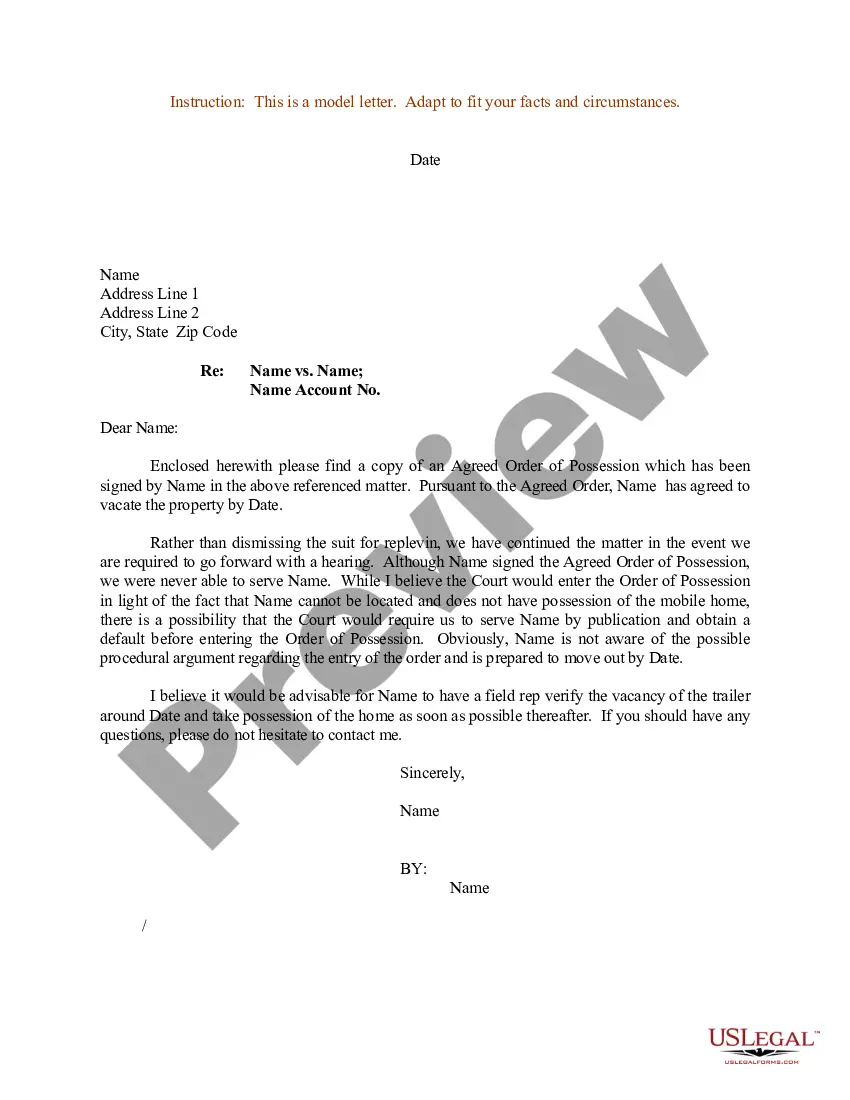
Get your form ready online
Our built-in tools help you complete, sign, share, and store your documents in one place.
Make edits, fill in missing information, and update formatting in US Legal Forms—just like you would in MS Word.
Download a copy, print it, send it by email, or mail it via USPS—whatever works best for your next step.
Sign and collect signatures with our SignNow integration. Send to multiple recipients, set reminders, and more. Go Premium to unlock E-Sign.
If this form requires notarization, complete it online through a secure video call—no need to meet a notary in person or wait for an appointment.
We protect your documents and personal data by following strict security and privacy standards.

Make edits, fill in missing information, and update formatting in US Legal Forms—just like you would in MS Word.

Download a copy, print it, send it by email, or mail it via USPS—whatever works best for your next step.

Sign and collect signatures with our SignNow integration. Send to multiple recipients, set reminders, and more. Go Premium to unlock E-Sign.

If this form requires notarization, complete it online through a secure video call—no need to meet a notary in person or wait for an appointment.

We protect your documents and personal data by following strict security and privacy standards.
Looking for another form?









Form popularity
FAQ
Good Words To Use In Custody Hearing Your Child is Not Property. The primary thing you must remember is that your child is not property. Best Interests of Child. With that in mind, you must always remember in Court, it is about your children. Status Quo. Child's Schedule. Co-Parenting. Flexibility. Step-Up Plan. Our Child.
Tips for writing a character reference letter for custody Keep it relevant: Align the content with what is important for raising a child, such as emotional support, stability, and active involvement in the child's life. Be concise: While detail is important, the letter should be concise—typically one page.
Personal records A proposed visitation schedule showing when you'd like to exchange the child. If you already have a schedule, a list of missed or denied parenting time. An expense report showing you contribute financially to your child's needs. Printouts of texts, emails and other messages with your co-parent.
Good Words To Use In Custody Hearing Your Child is Not Property. The primary thing you must remember is that your child is not property. Best Interests of Child. With that in mind, you must always remember in Court, it is about your children. Status Quo. Child's Schedule. Co-Parenting. Flexibility. Step-Up Plan. Our Child.
Disrespectful Language : Avoid using any form of disrespect, such as insults, sarcasm, or derogatory remarks about the judge, the opposing party, or even the legal system. Negative Comments About the Other Parent : Speaking poorly about the other parent can reflect badly on you. Emotional Outbursts
To survive and win a high-conflict custody battle, choose an experienced lawyer and maintain trust in their advice. Approach situations logically, anticipate potential issues, and respond thoughtfully. Always prioritize your child's needs, guarantee their routine stability and shield them from strife.
For example, you can say, Your Honor, my child/ren have lived with me and I have been their primary caregiver since they were born, and therefore, I believe it is in the best interest of my child/ren (or their names) to continue to live primarily with me, and have x parenting time with their other parent.
Provide a concise summary of the key issues and events pertaining to the custody situation. Focus on highlighting factors that would be in the best interests of any children involved, such as stability, safety, and meeting the children's needs. Avoid making accusations or attacking your former spouse directly.
It is true that mothers typically HAVE custody of their children, but that's mostly because the men take off. Statistically, in the US, when a man asks for shared custody, he gets it, and in cases where men go to court to get full custody, they get it a majority of the time.
How to prove the best interest of the child Keep a log of child-related expenses. Get reliable child care. Ask others to testify on your behalf. Show that you're willing to work with the other parent. Know your child's interests. Have a safe place for your child to live. Behave in court.

