Sample Letter To Court For Adjournment In Oakland
Description
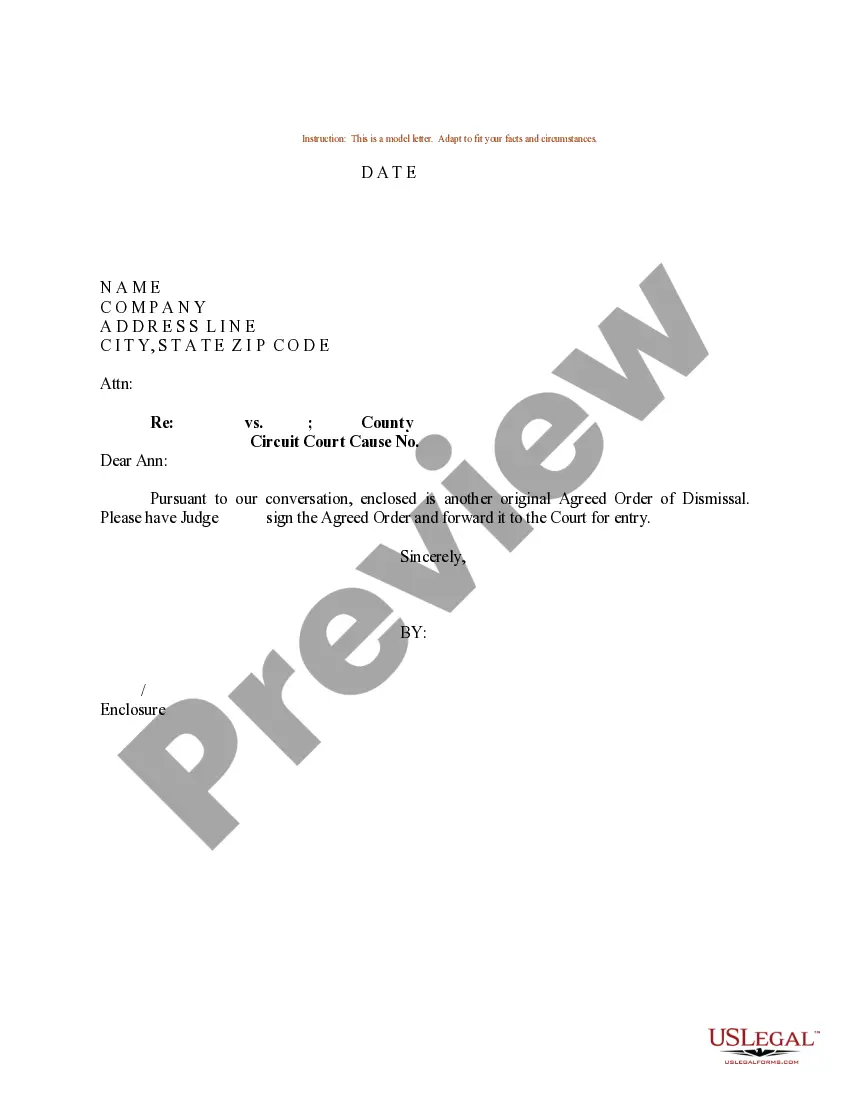
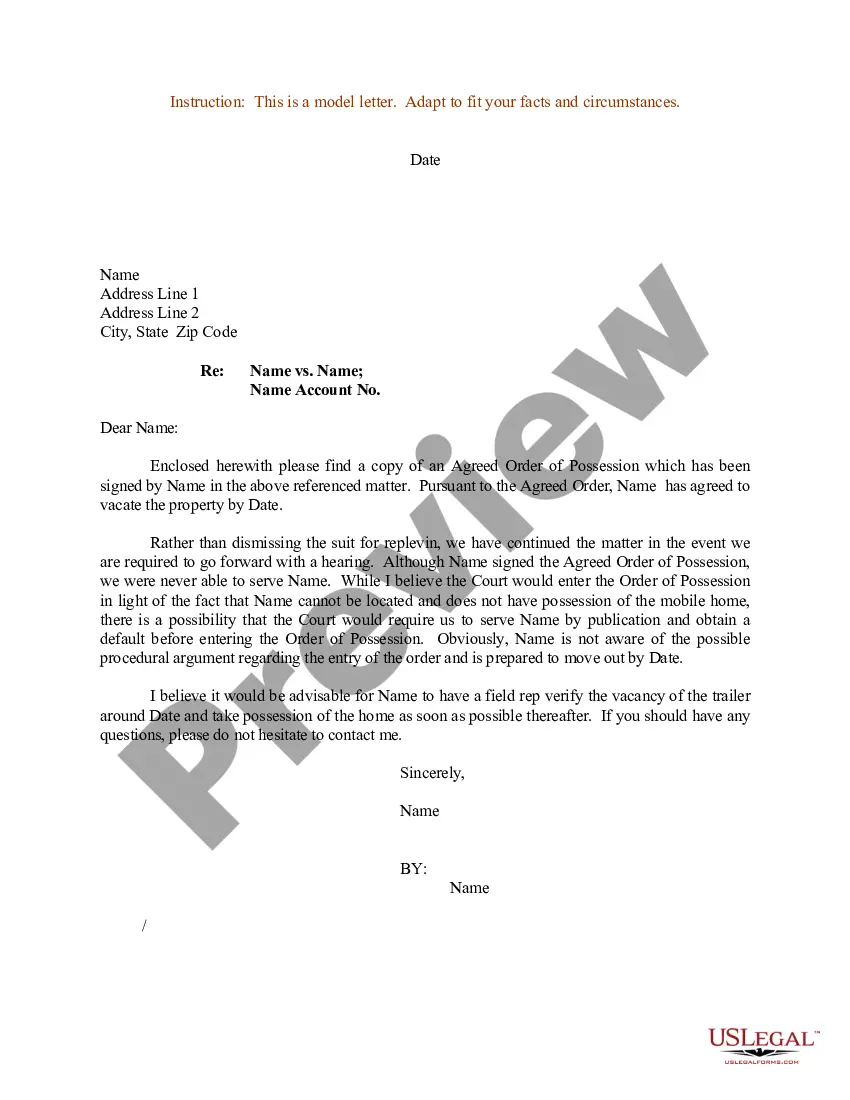
Get your form ready online
Our built-in tools help you complete, sign, share, and store your documents in one place.
Make edits, fill in missing information, and update formatting in US Legal Forms—just like you would in MS Word.
Download a copy, print it, send it by email, or mail it via USPS—whatever works best for your next step.
Sign and collect signatures with our SignNow integration. Send to multiple recipients, set reminders, and more. Go Premium to unlock E-Sign.
If this form requires notarization, complete it online through a secure video call—no need to meet a notary in person or wait for an appointment.
We protect your documents and personal data by following strict security and privacy standards.

Make edits, fill in missing information, and update formatting in US Legal Forms—just like you would in MS Word.

Download a copy, print it, send it by email, or mail it via USPS—whatever works best for your next step.

Sign and collect signatures with our SignNow integration. Send to multiple recipients, set reminders, and more. Go Premium to unlock E-Sign.

If this form requires notarization, complete it online through a secure video call—no need to meet a notary in person or wait for an appointment.

We protect your documents and personal data by following strict security and privacy standards.
Looking for another form?
Form popularity
FAQ
Be sure to include your case number, proposed dates, and an explanation for your request. Indicate whether the other party objected or consented to the request. If they objected to the request and provided a reason, include it.
Begin with a formal salutation, such as "Dear Judge Last Name," and introduce yourself and your case. Clearly state your reasons for requesting a continuance and provide supporting evidence. Conclude your letter by expressing your gratitude and willingness to cooperate with the court's decision.
Begin with a formal salutation, such as "Dear Judge Last Name," and introduce yourself and your case. Clearly state your reasons for requesting a continuance and provide supporting evidence. Conclude your letter by expressing your gratitude and willingness to cooperate with the court's decision.
Not all courts will accept a letter. Instead, the court might grant a continuance over the phone, or the court could require that you have a representative appear before the judge in your place.
Your attorney can submit a formal request to the court, explaining the reasons for the adjournment and how it would benefit the fairness of the proceedings. Ultimately, it is within the judge's discretion to grant or deny the request based on the specifics of your case.
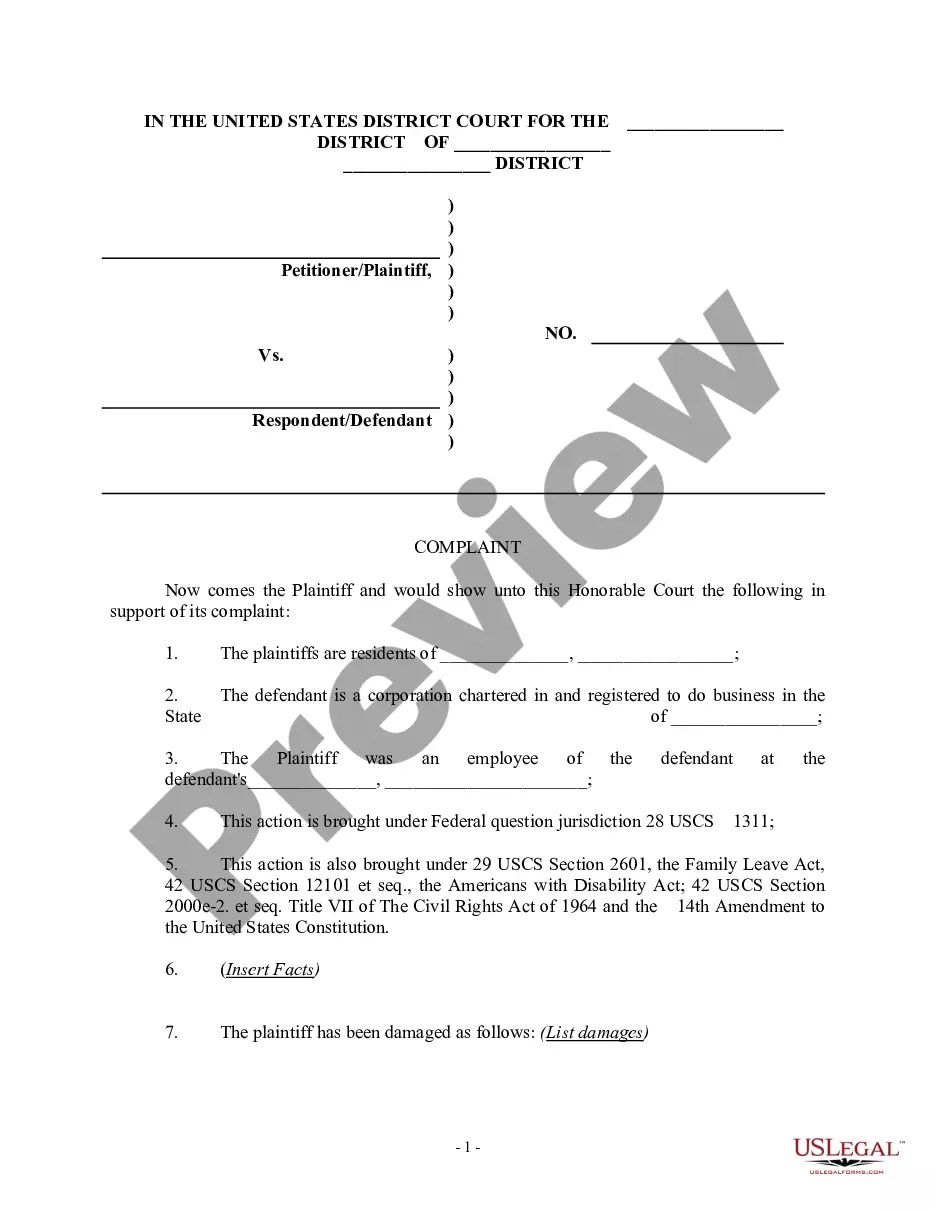
My case is listed for Court Name on the Enter date of Hearing. I would request that the Hearing on that date is adjourned because... outline your reason I am unwell/injured and unable to attend Court. I enclose a letter from my Doctor confirming this.
Adjournment means setting a new date for a court hearing. A hearing may be adjourned before it has started or while it is in progress.
The undersigned prays for the adjournment of the hearing of the above case on the following grounds: The undersigned clearly understands that in the event of his prayer being granted, it will be incumbent on him to inform his client of the date to which his case has been postponed.
The Court may, in a case not older than 5 years, entertain a request for adjournment by submission of an adjournment slip, duly signed by advocates of all the parties in a particular case.
You must explain your reason for making the request and be sure to include the case number, the year of your case, the scheduled date of the hearing you will not be able to attend, and the Part and room number where your case is scheduled. Address the letter to the appropriate civil court clerk's office.