Sample Letter For Court Appeal In Oakland
Description



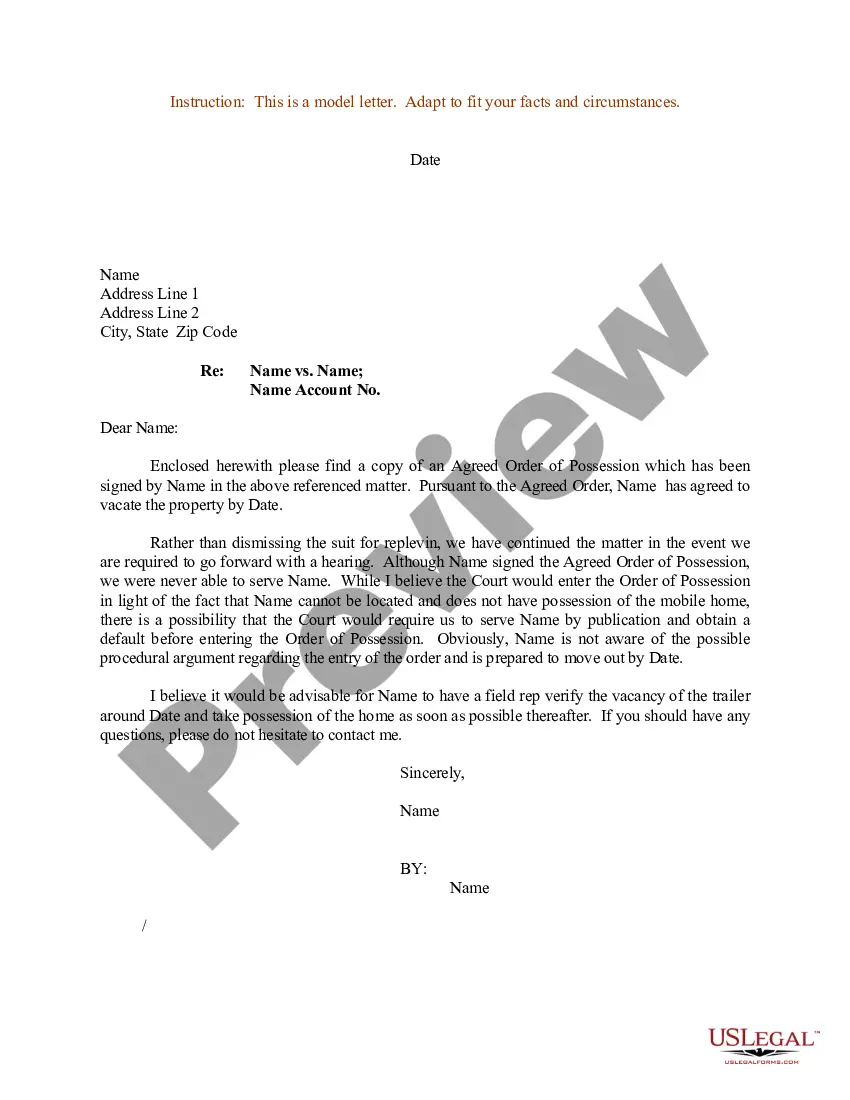
Get your form ready online
Our built-in tools help you complete, sign, share, and store your documents in one place.
Make edits, fill in missing information, and update formatting in US Legal Forms—just like you would in MS Word.
Download a copy, print it, send it by email, or mail it via USPS—whatever works best for your next step.
Sign and collect signatures with our SignNow integration. Send to multiple recipients, set reminders, and more. Go Premium to unlock E-Sign.
If this form requires notarization, complete it online through a secure video call—no need to meet a notary in person or wait for an appointment.
We protect your documents and personal data by following strict security and privacy standards.

Make edits, fill in missing information, and update formatting in US Legal Forms—just like you would in MS Word.

Download a copy, print it, send it by email, or mail it via USPS—whatever works best for your next step.

Sign and collect signatures with our SignNow integration. Send to multiple recipients, set reminders, and more. Go Premium to unlock E-Sign.

If this form requires notarization, complete it online through a secure video call—no need to meet a notary in person or wait for an appointment.

We protect your documents and personal data by following strict security and privacy standards.
Looking for another form?
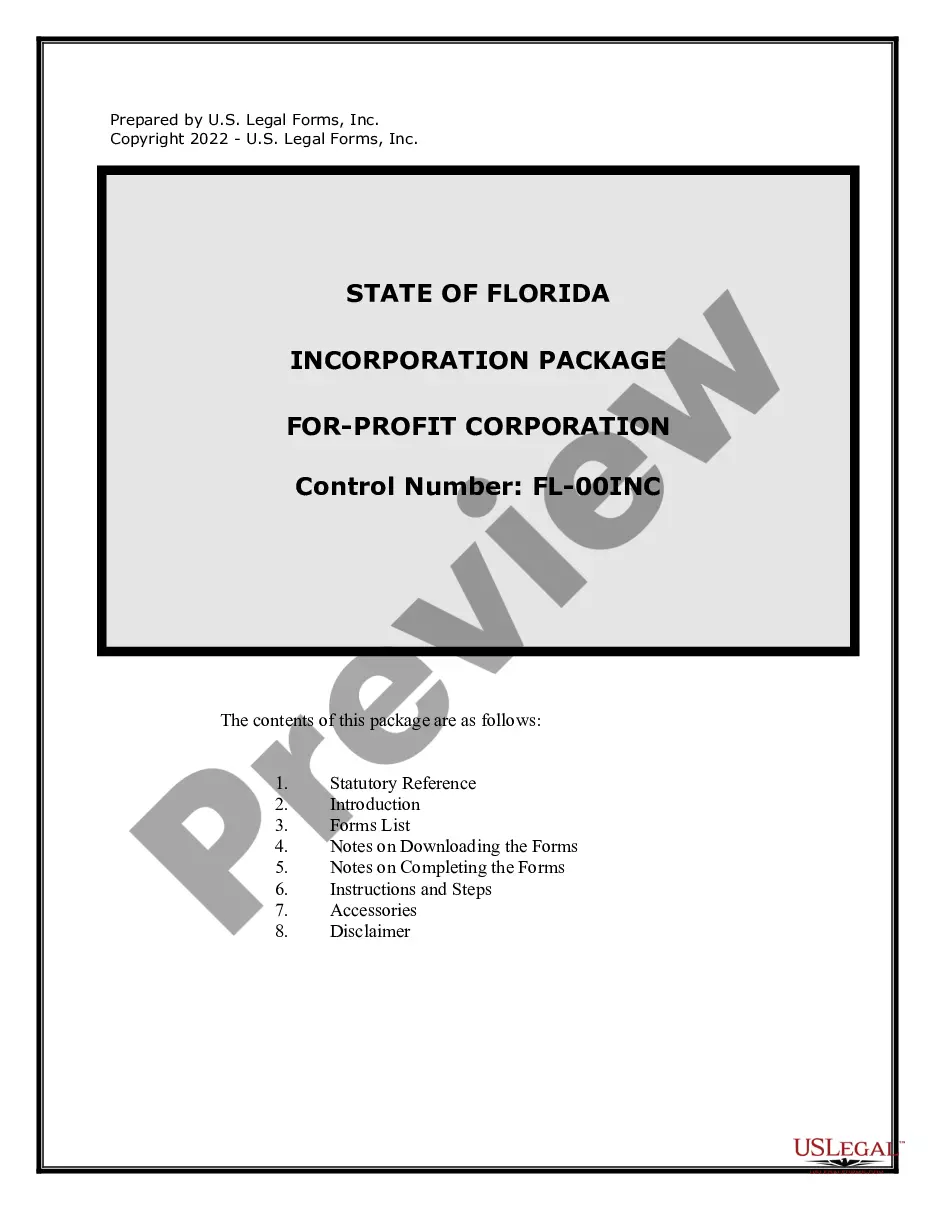
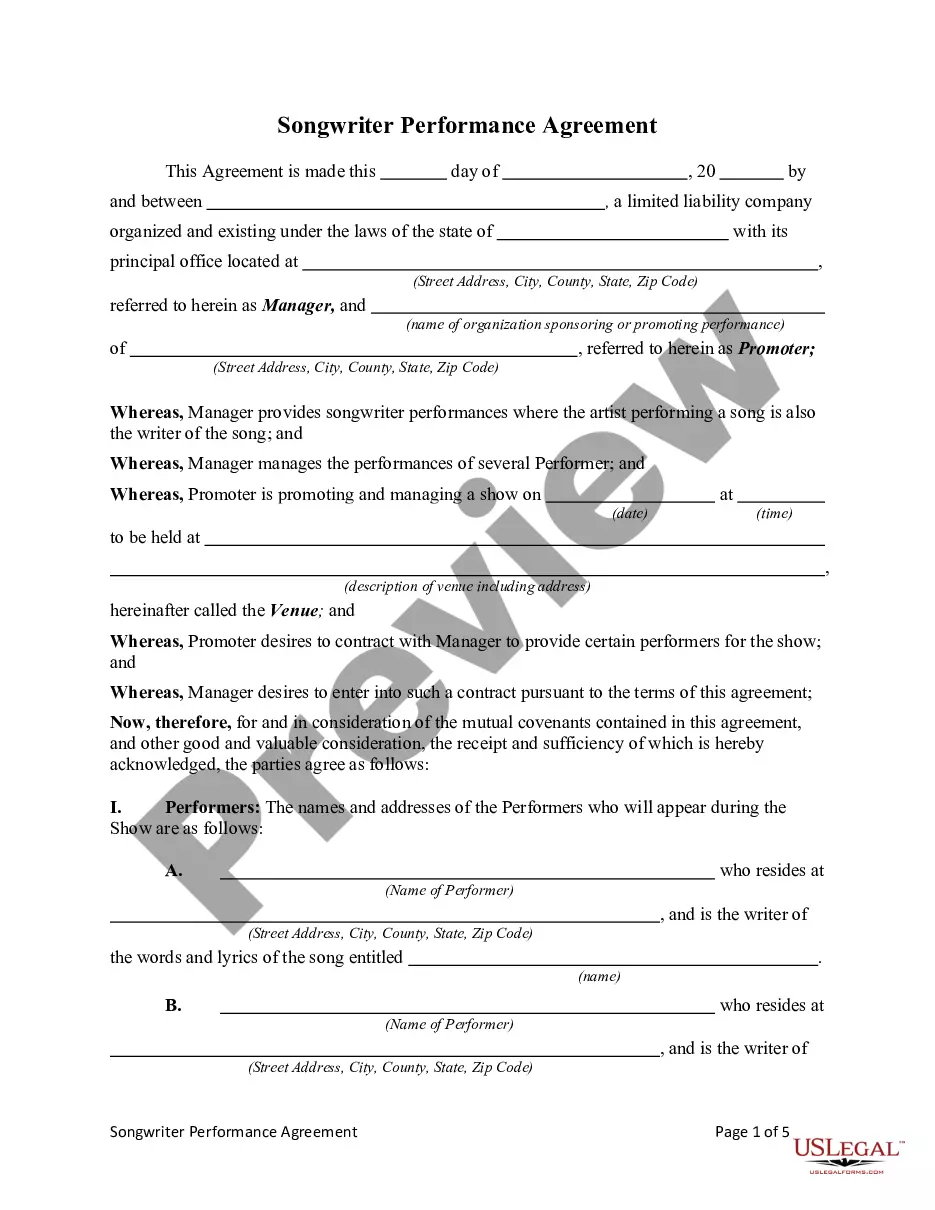

Form popularity
FAQ
Steps to briefing a case Select a useful case brief format. Use the right caption when naming the brief. Identify the case facts. Outline the procedural history. State the issues in question. State the holding in your words. Describe the court's rationale for each holding. Explain the final disposition.
An appellate brief should provide the judges with everything they need to write an opinion in your client's favor. Therefore, striking the right balance between persuasive advocacy and credibility is crucial. Incorporating your Theory of the Case. The Theory of the Case is the unifying theme of your client's case.
How to write an appeal letter Consult with your company's policy guide. Address the recipient directly. Write a formal letter. Stick to the facts when stating your case. Express your gratitude. Keep it short. Note any relevant attachments. Send a follow-up message.
The best approach is to write a chronological description of the underlying facts of the case. Include the circumstances of the crime, the charges against the defendant, and then the trial. Create a narrative; do not recite all the facts of the entire crime or the trial. Use only what is necessary for your argument.
I am writing to appeal my current disciplinary status, and to apologize for my involvement in the floor crawl which led to my being placed on notice. I realize that what seemed harmless fun to me was actually a danger to my health and the health of others. I sincerely regret my actions that night…
How to write a letter of appeal in 8 simple steps Understand the decision. Review the appeal process. Gather all the information you have. Determine who will be reading your appeal. Explain what happened. Explain why you disagree. Propose an alternative outcome. Sign your letter.
The brief is a party's written argument filed with the Court of Appeals. The brief argues why the trial court made a mistake. It must include citations to the record and to cases, rules, or statutes, to support that argument. The briefs must comply with specific format and length requirements.
I am writing to appeal my current disciplinary status, and to apologize for my involvement in the floor crawl which led to my being placed on notice. I realize that what seemed harmless fun to me was actually a danger to my health and the health of others. I sincerely regret my actions that night…
What to include in your letter Your up-to-date contact information. A summary of the situation or decision you are disputing. Why you believe they made an incorrect decision. A request for a preferred alternative. A message of gratitude for considering your appeal. Any relevant supporting documents.
Content and Tone Opening Statement. The first sentence or two should state the purpose of the letter clearly. Be Factual. Include factual detail but avoid dramatizing the situation. Be Specific. Documentation. Stick to the Point. Do Not Try to Manipulate the Reader. How to Talk About Feelings. Be Brief.

