Court Letter Sample For Job Application In Oakland
Description




Get your form ready online
Our built-in tools help you complete, sign, share, and store your documents in one place.
Make edits, fill in missing information, and update formatting in US Legal Forms—just like you would in MS Word.
Download a copy, print it, send it by email, or mail it via USPS—whatever works best for your next step.
Sign and collect signatures with our SignNow integration. Send to multiple recipients, set reminders, and more. Go Premium to unlock E-Sign.
If this form requires notarization, complete it online through a secure video call—no need to meet a notary in person or wait for an appointment.
We protect your documents and personal data by following strict security and privacy standards.

Make edits, fill in missing information, and update formatting in US Legal Forms—just like you would in MS Word.

Download a copy, print it, send it by email, or mail it via USPS—whatever works best for your next step.

Sign and collect signatures with our SignNow integration. Send to multiple recipients, set reminders, and more. Go Premium to unlock E-Sign.

If this form requires notarization, complete it online through a secure video call—no need to meet a notary in person or wait for an appointment.

We protect your documents and personal data by following strict security and privacy standards.
Looking for another form?
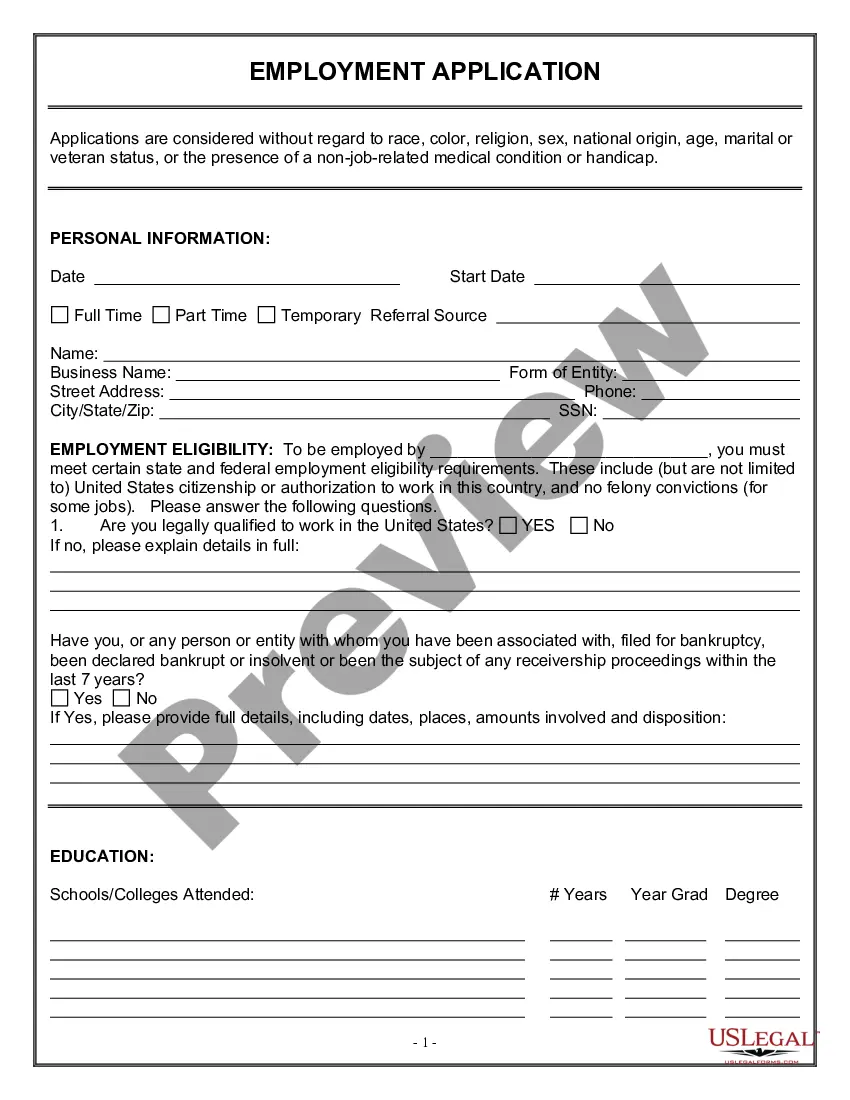




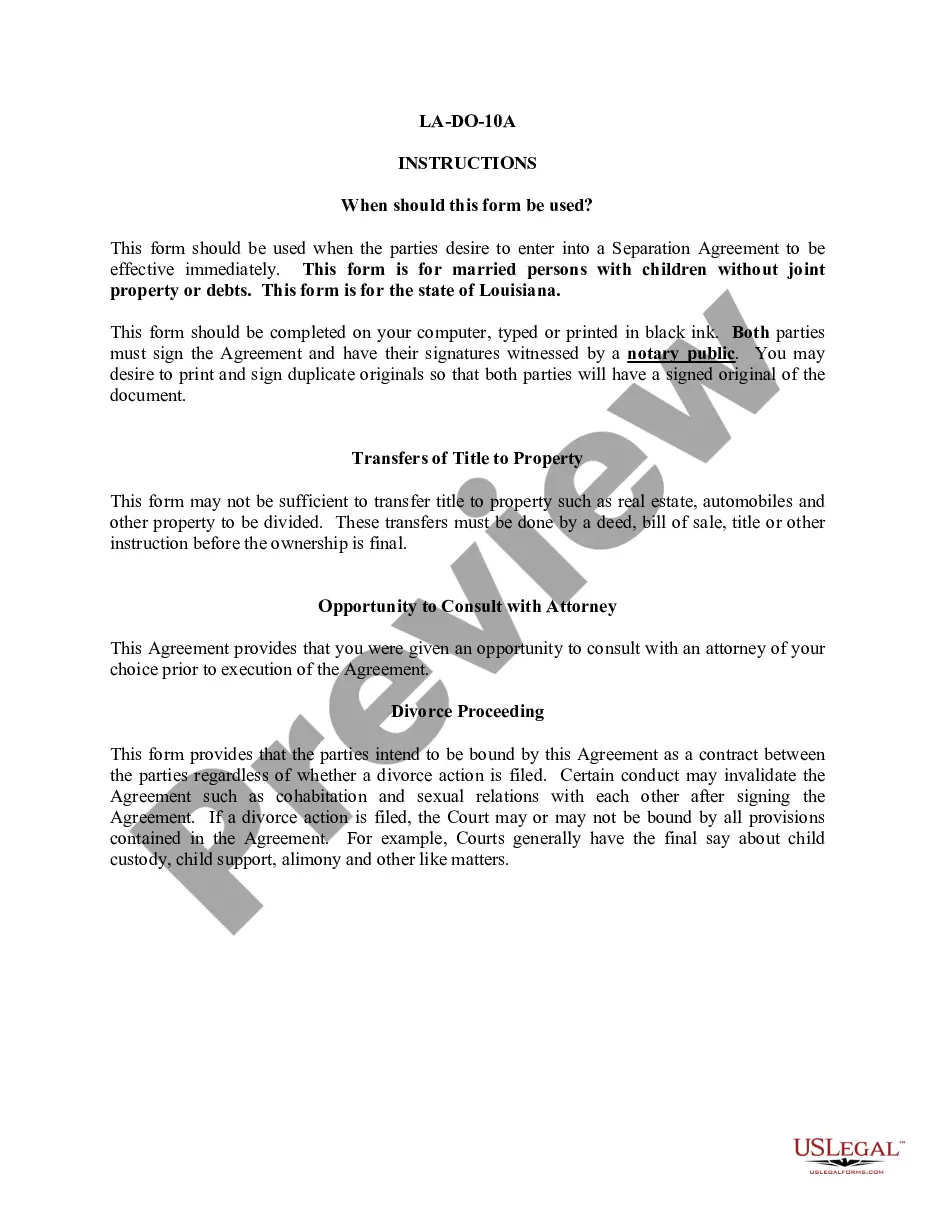




Form popularity
FAQ
Start the body of your letter with enthusiasm for the position. Continue with an interesting statement about how your professional abilities closely match the prospective job. This is your opportunity to make a positive first impression and set yourself apart from other applicants with experience in the courtroom.
Don't rehash your resume Here's a quick checklist of key functions a targeted cover letter should accomplish: Relate your skills and experience to the job description and requested qualifications. Explain why you would love to have the job. Show you've researched the company by commenting on its mission or leadership.
How to write a simple job application letter Write your name and contact details. Greet the recipient. Add the reason for your letter. Write your opening paragraph. Highlight your qualifications and experience. Thank the recipient. End the letter.
How to write a law cover letter tip #2: how long should it be? A covering letter should be a maximum of one page, with a font size of 11 or 12.
Use a personalized cover letter to showcase the unique reasons why you're the best candidate. Show that you know the person you're writing to, and highlight any connections. If that isn't possible, you can always write about the firm to show that you've done your research.
Important points to include in a legal document. Party details. List the names, numbers, addresses (email or physical), and any other relevant information of all parties involved. Background information. Motion. Roles and responsibilities. Breaches or contingencies. Dates and signatures.
Begin your letter with a statement of who you are and why you are writing. Introduce yourself as a law student (including the year you are in) or a graduate of Berkeley Law and specify what it is you are seeking: a summer job, an associate position, a clerkship, part-time work during the school year, etc.
Your cover letter should answer who, what, when, where and why you are applying for the opportunity. Introduction. State the position for which you are applying. Body Paragraphs. These paragraphs will highlight your qualifications and strengths that are most relevant to the organization and position. Conclusion.
The Judicial Council adopts legal forms in one of two ways. Under Government Code section 68511, the council may "prescribe" certain forms. Use of those forms is mandatory. The council may also "approve" forms.
Rule 10.1 - Authority, duties, and goals of the Judicial Council (a) The Judicial Council (1) The Judicial Council of California is a state entity established by the California Constitution and chaired by the Chief Justice of California.

