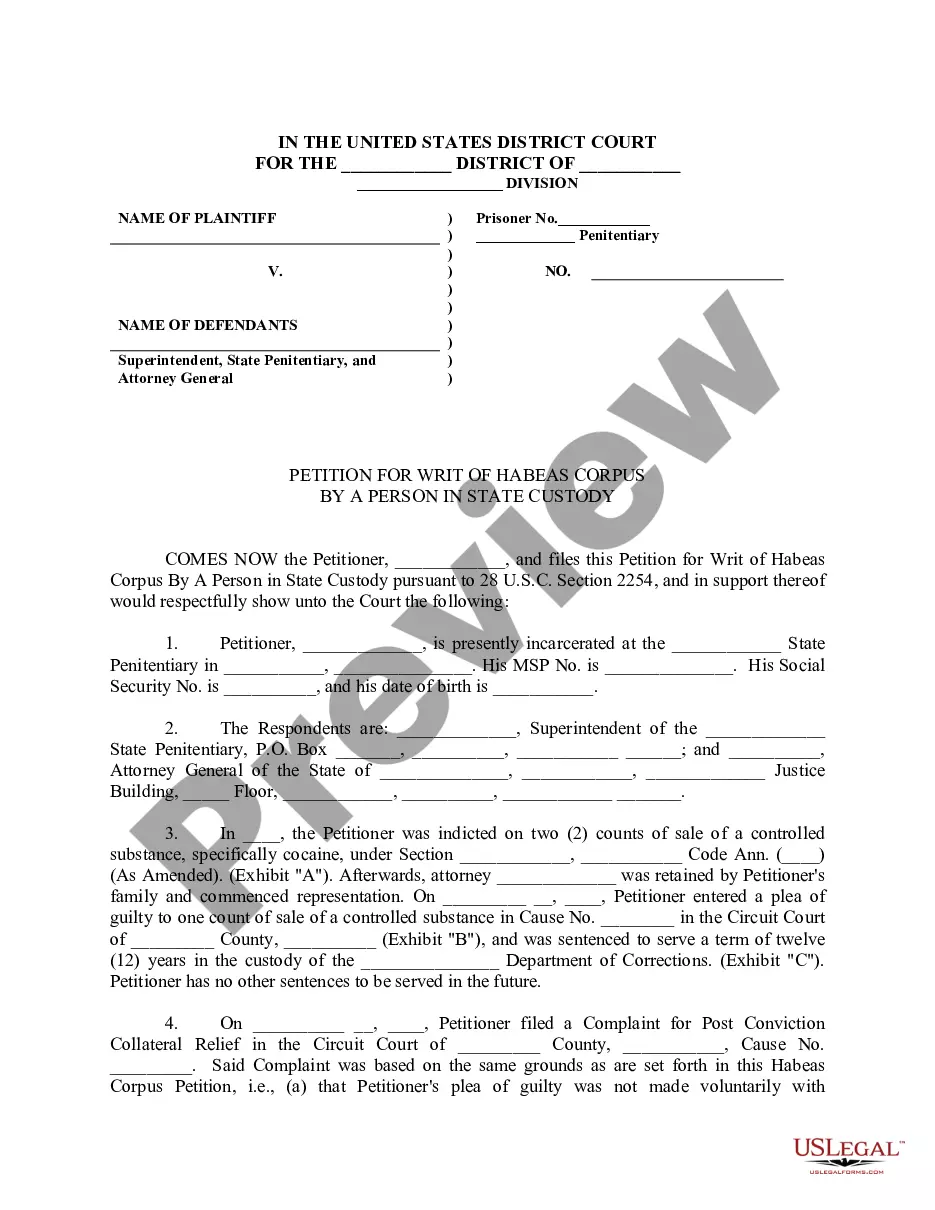
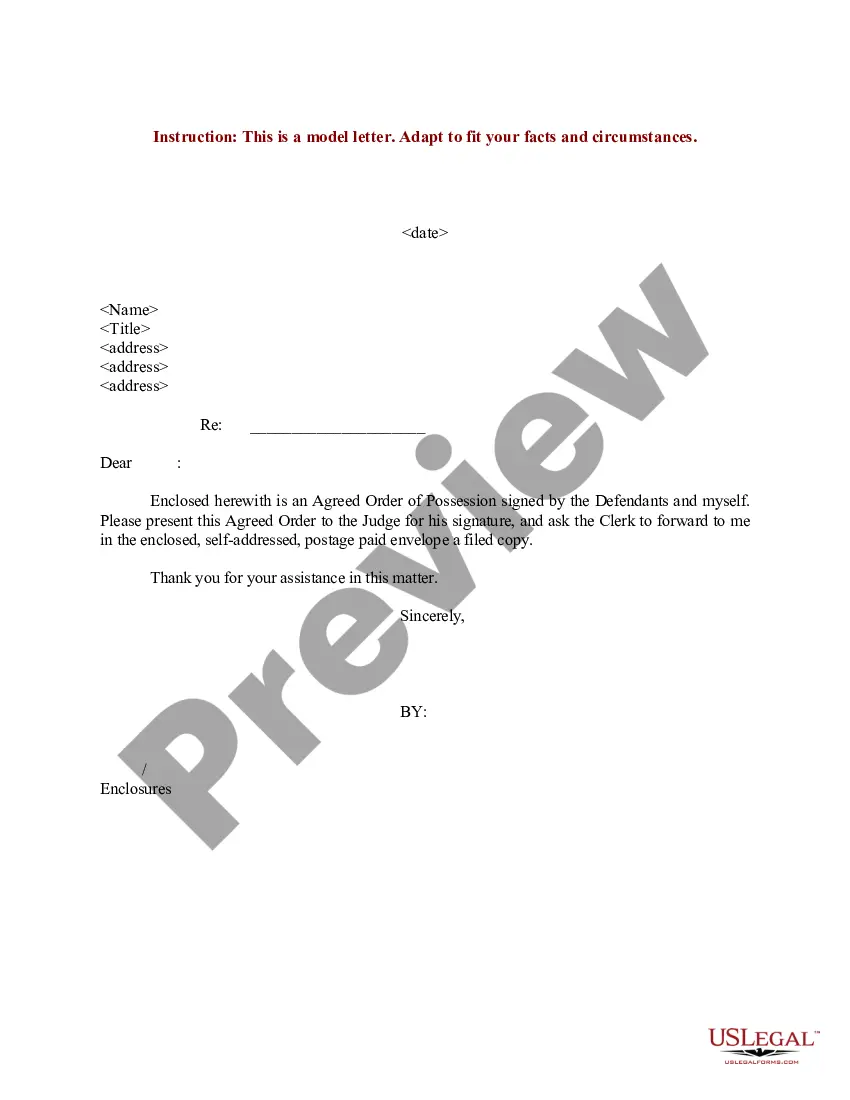
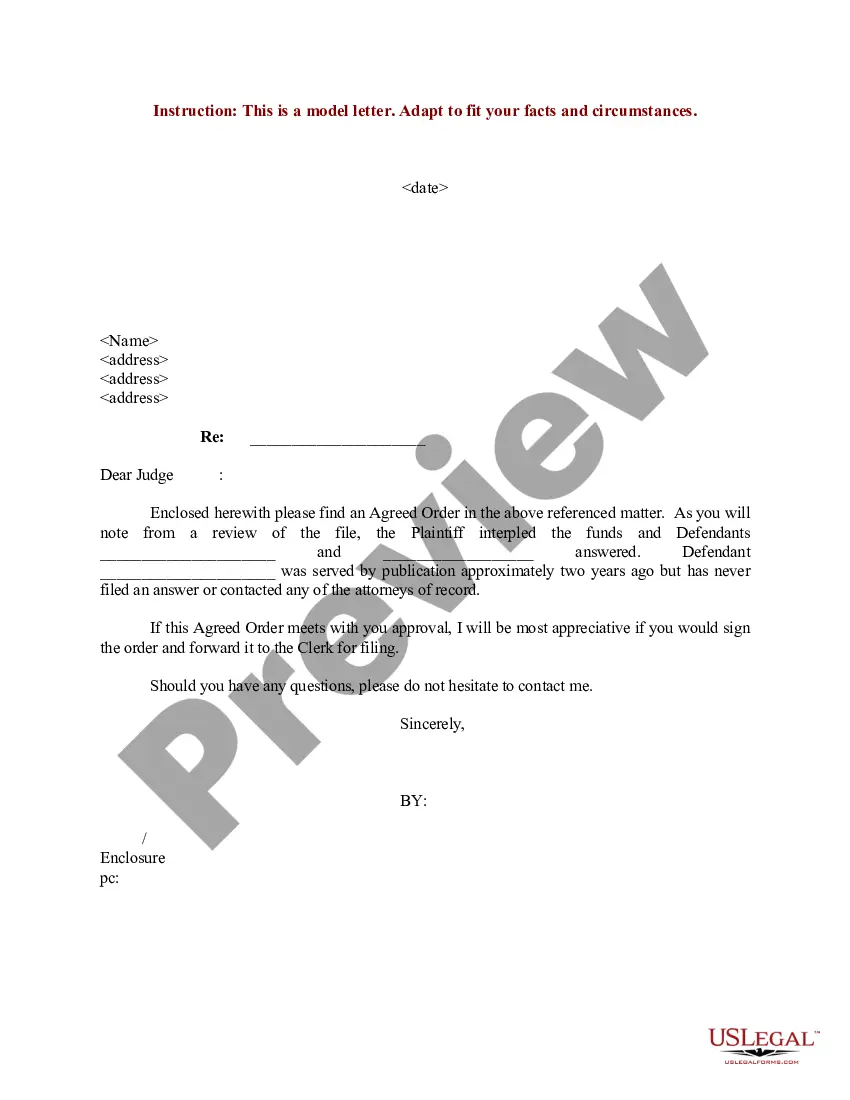
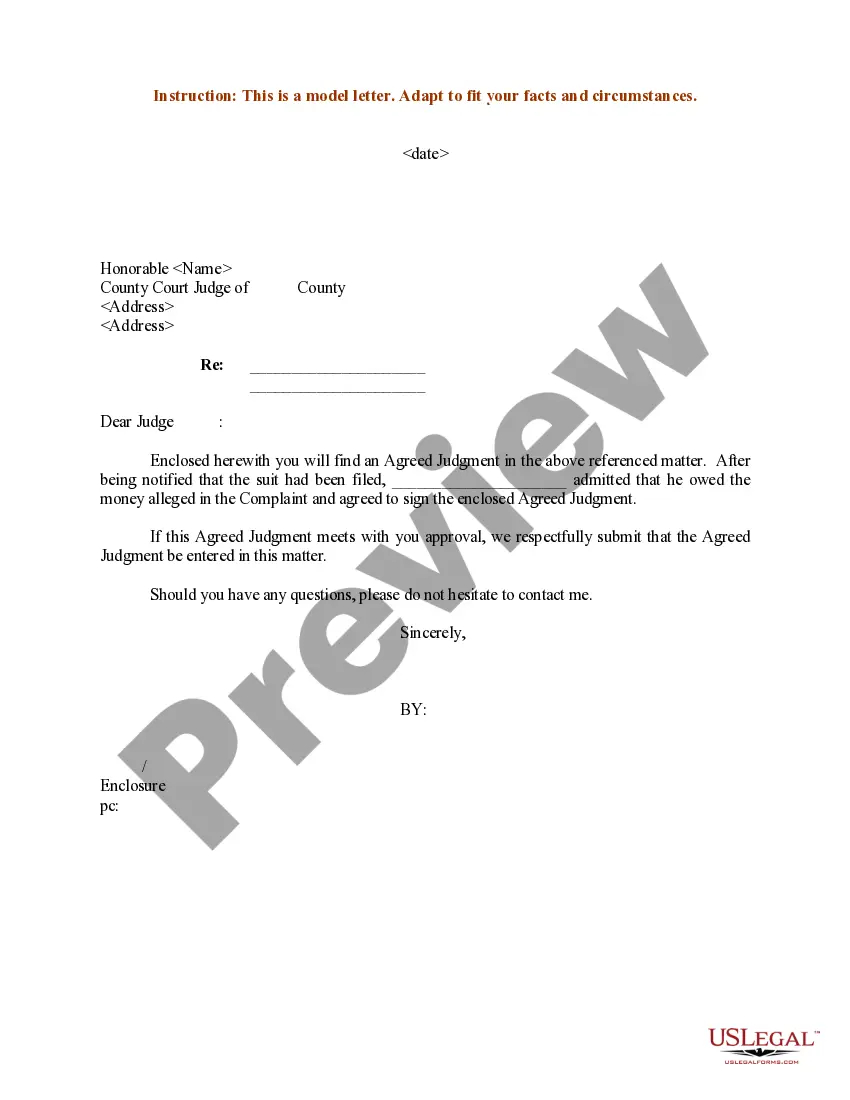
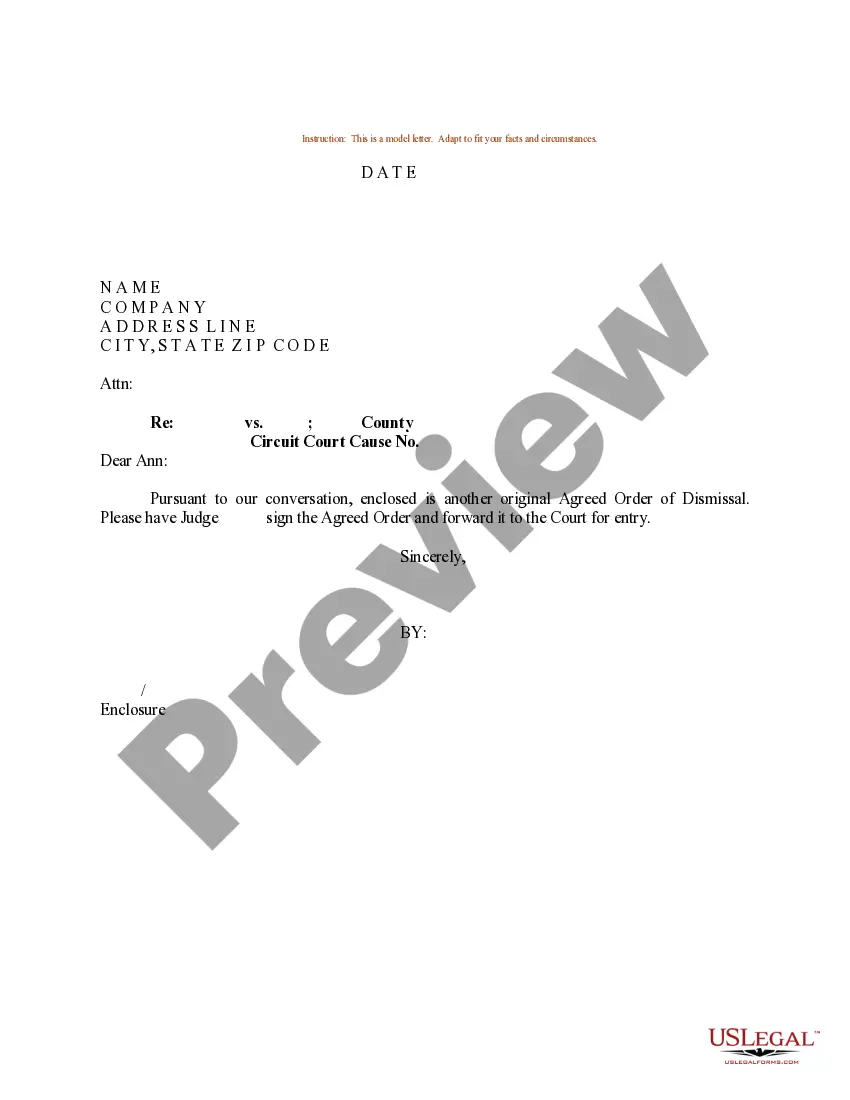
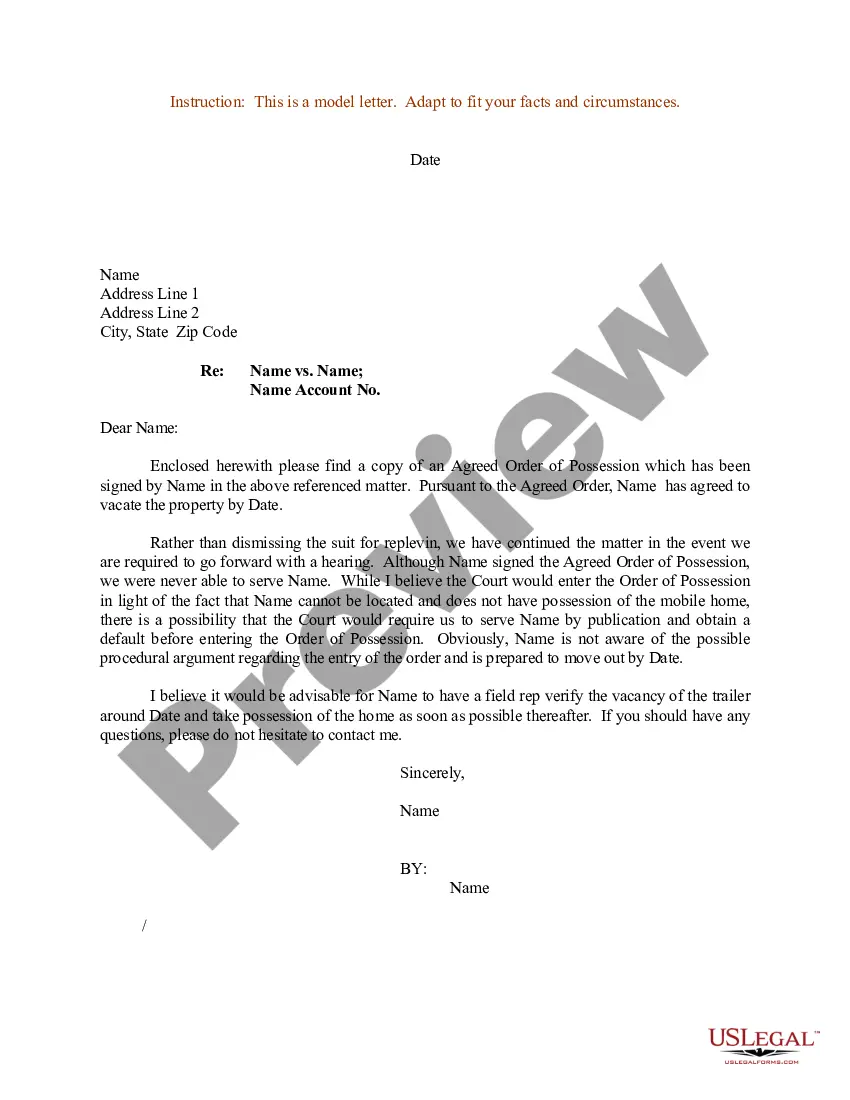
Court Letter Templates For School In Nevada
Description
Get your form ready online
Our built-in tools help you complete, sign, share, and store your documents in one place.
Make edits, fill in missing information, and update formatting in US Legal Forms—just like you would in MS Word.
Download a copy, print it, send it by email, or mail it via USPS—whatever works best for your next step.
Sign and collect signatures with our SignNow integration. Send to multiple recipients, set reminders, and more. Go Premium to unlock E-Sign.
If this form requires notarization, complete it online through a secure video call—no need to meet a notary in person or wait for an appointment.
We protect your documents and personal data by following strict security and privacy standards.
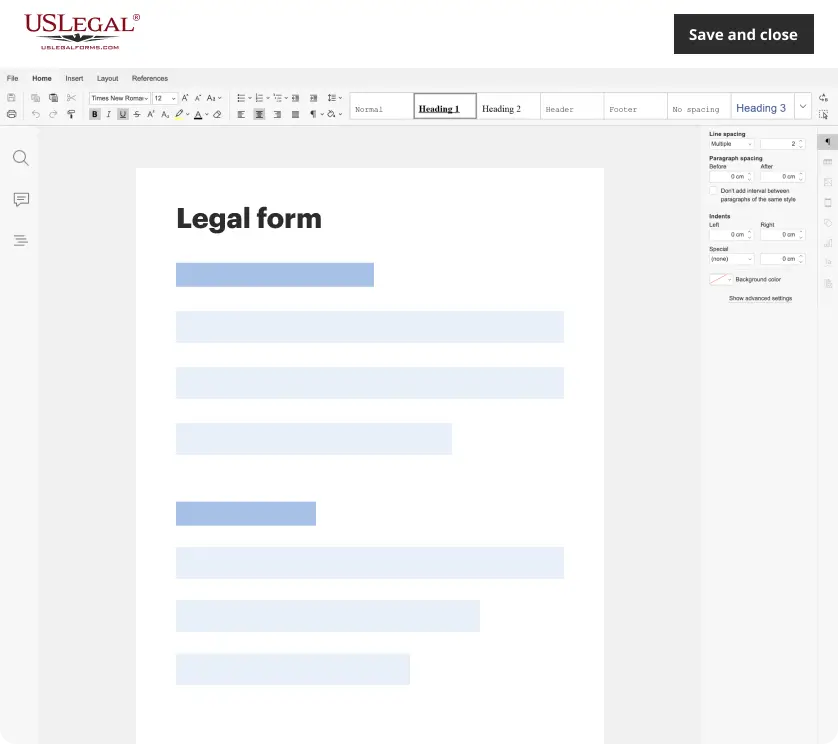
Make edits, fill in missing information, and update formatting in US Legal Forms—just like you would in MS Word.
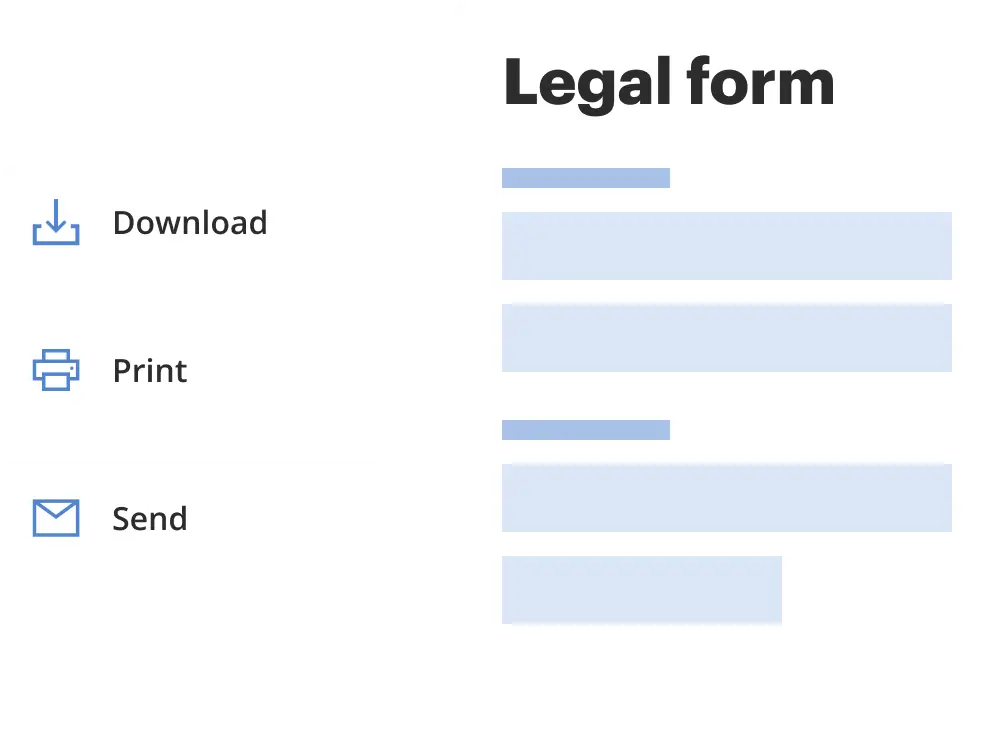
Download a copy, print it, send it by email, or mail it via USPS—whatever works best for your next step.
Sign and collect signatures with our SignNow integration. Send to multiple recipients, set reminders, and more. Go Premium to unlock E-Sign.
If this form requires notarization, complete it online through a secure video call—no need to meet a notary in person or wait for an appointment.
We protect your documents and personal data by following strict security and privacy standards.
Looking for another form?
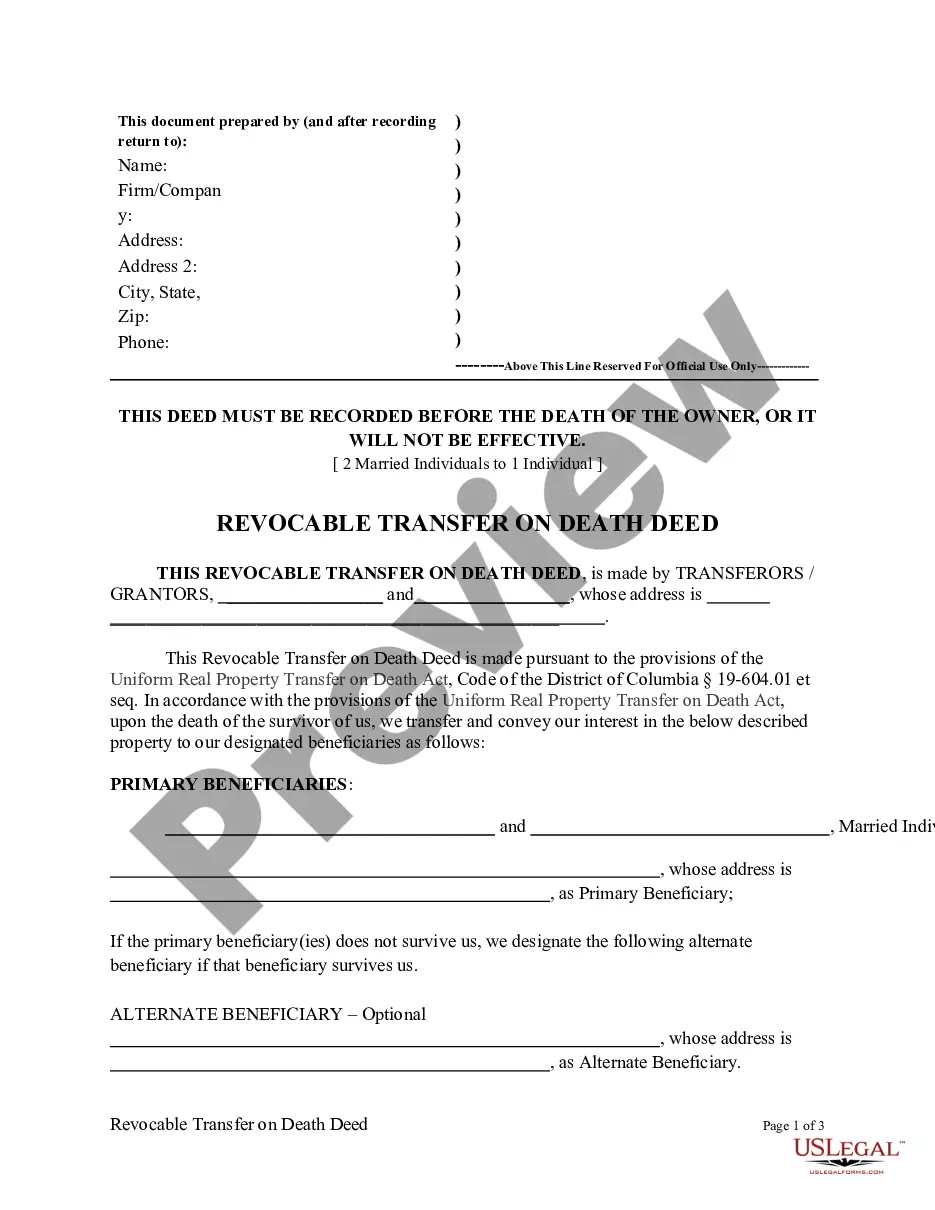
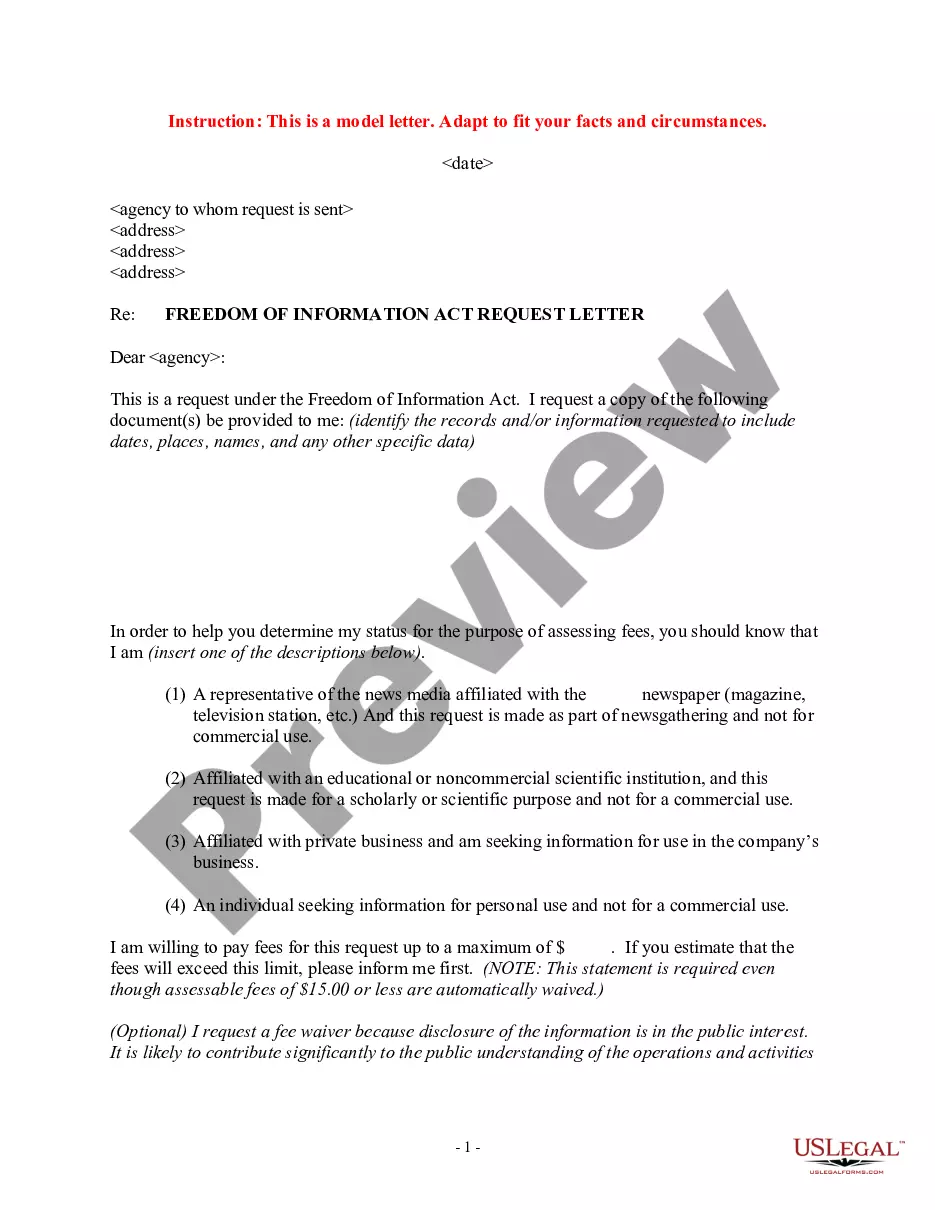
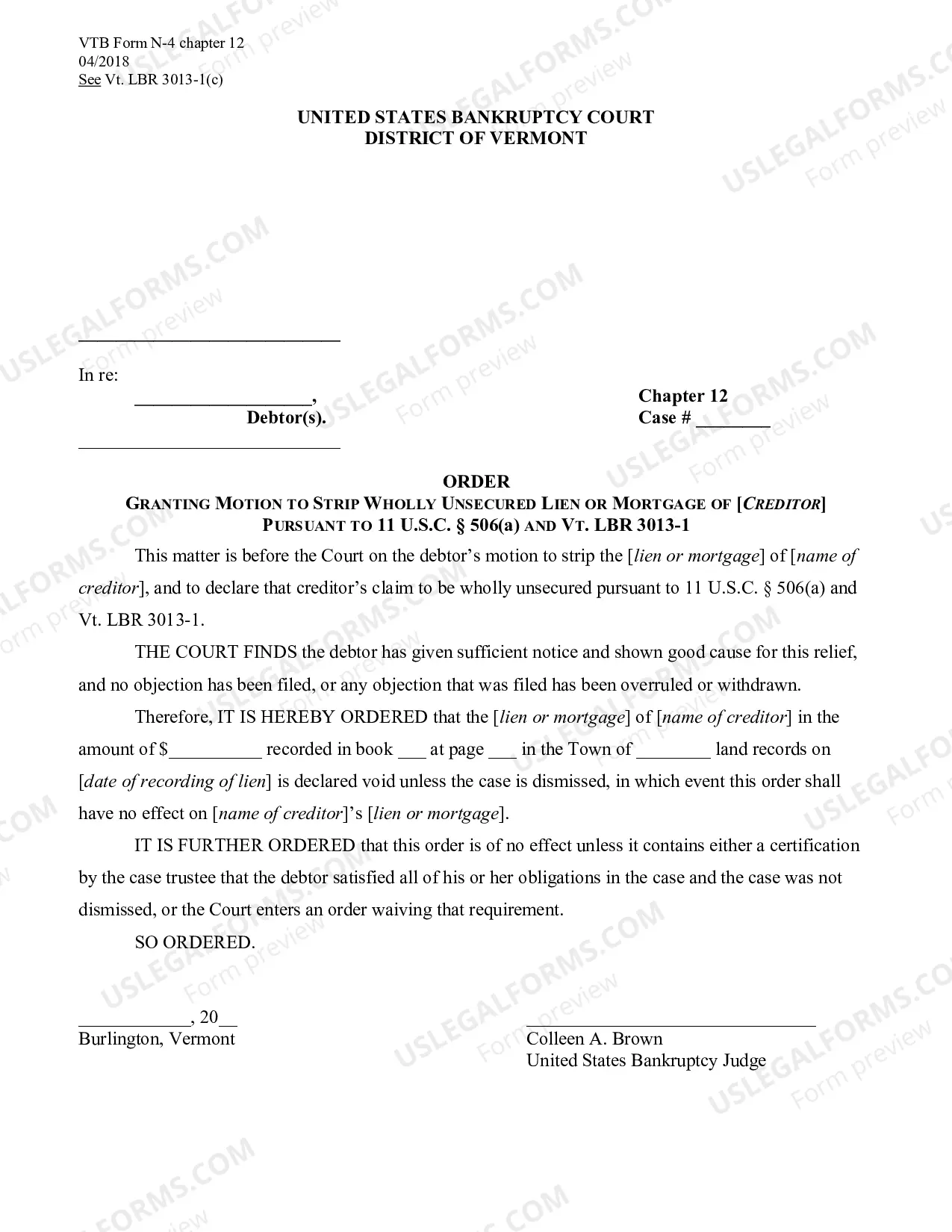
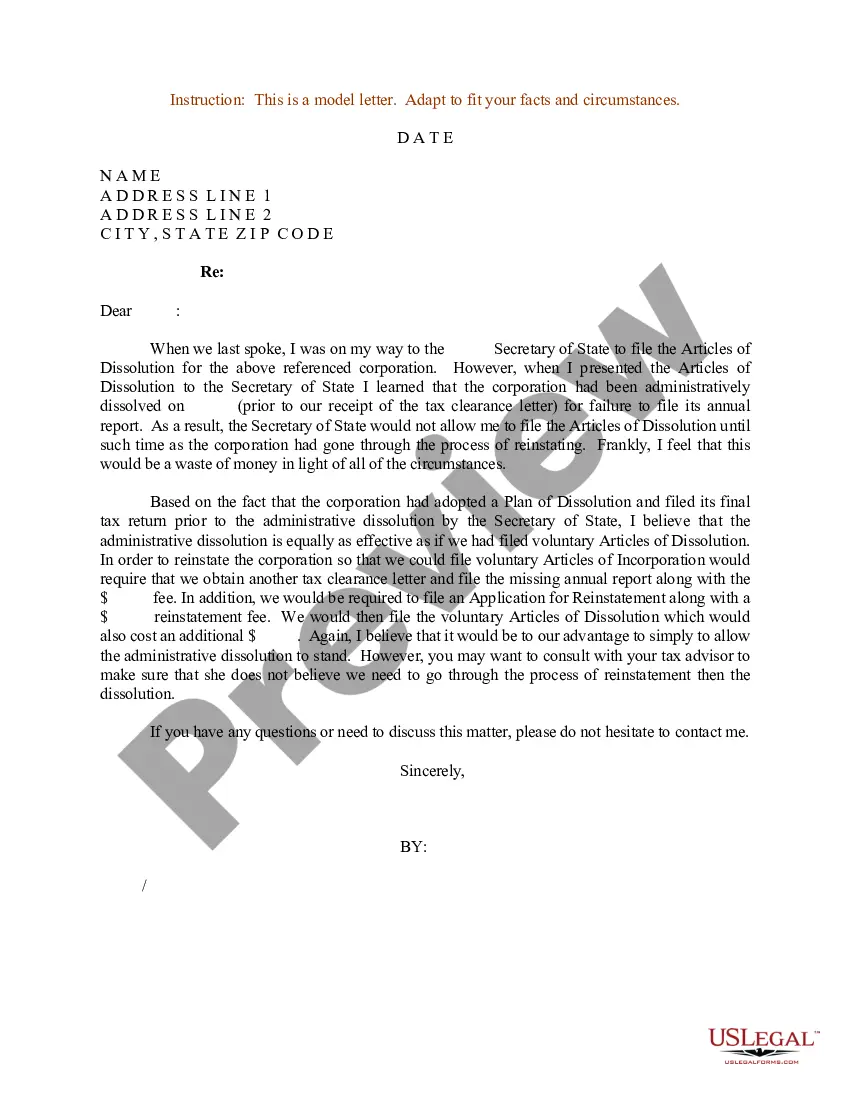
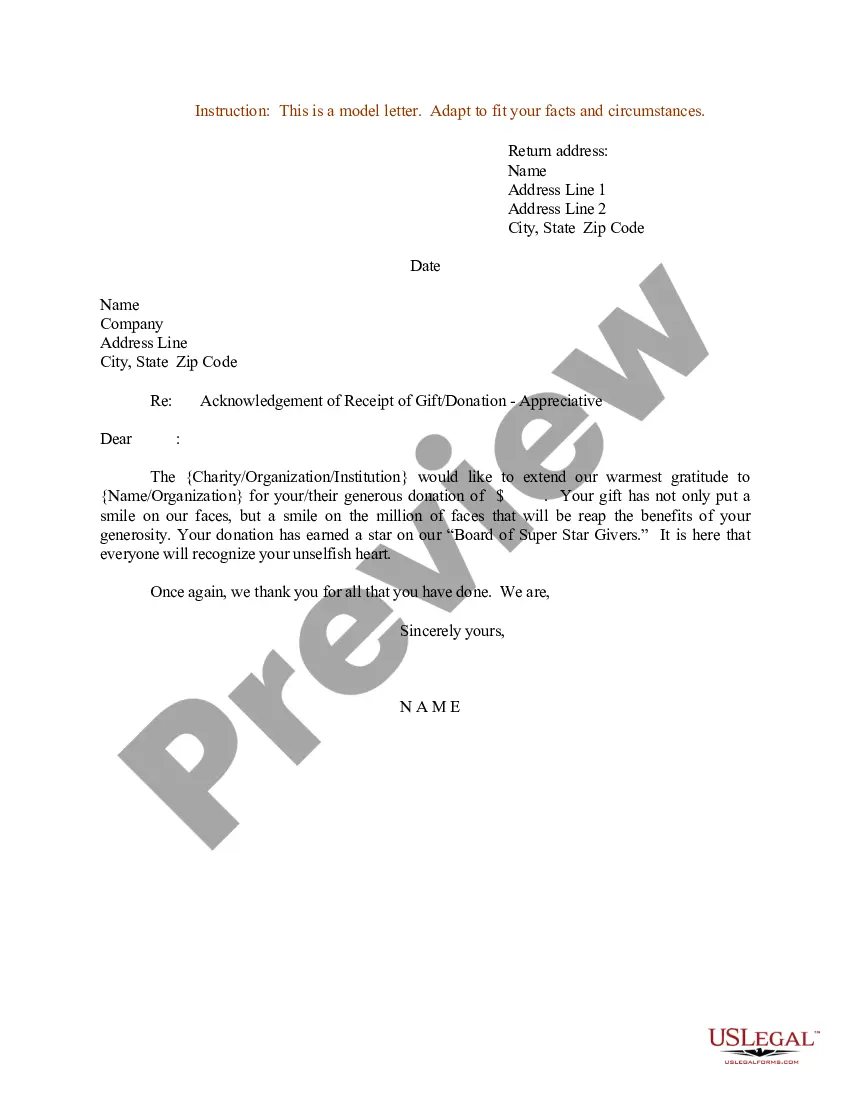
Form popularity
FAQ
Public Records Request Please submit the request in writing; you may use the Nevada Public Records Request Form. Send the request to the attention of the Department's public information officer. You can submit your request any of the following ways: Email to deptadmin@admin.nv.
Introduce yourself to the Court. Explain how you know (and how long you have known) the defendant. Make it personal when describing the defendant's characteristics. Can you think of examples of good deeds done by the defendant (hard work, dedication to family/church/community, generosity, etc).
Public Records Requests: To view documents if you are a member of the public, submit a public records request on the court's website at .nevadaurts.ca. Case information is available to the public by making an account on this portal.
Yes, a process server in Nevada can leave papers at a person's door if they cannot personally serve the individual. The documents can be left with anyone at the residence over 18 or at the front door if no one is available.
The summons and complaint may be served by the sheriff, or a deputy sheriff, of the county where the defendant is found or by any person who is at least 18 years old and not a party to the action.
In representing a client, a lawyer shall not communicate about the subject of the representation with a person the lawyer knows to be represented by another lawyer in the matter, unless the lawyer has the consent of the other lawyer or is authorized to do so by law or a court order.
You can serve summons by mail, by substitute service, by publication, or by e-service if allowed in your jurisdiction.
A court will grant a summary judgment motion only if it finds (1) that there are no genuine issues of material facts to be resolved at trial and (2) that, when the law is applied to the undisputed facts, one party is clearly entitled to judgment.
Unless otherwise provided by these rules, service may be made on an individual: (1) by delivering a copy of the summons and complaint to the individual personally; (2) by leaving a copy of the summons and complaint at the individual's dwelling or usual place of abode with a person of suitable age and discretion who ...
Within 14 days after the service of the motion, the opposing party shall serve and file a written opposition thereto, together with a memorandum of points and authorities and supporting affidavits, if any, stating facts showing why the motion should be denied.