Court Letter Sample For Job In Nevada
Description



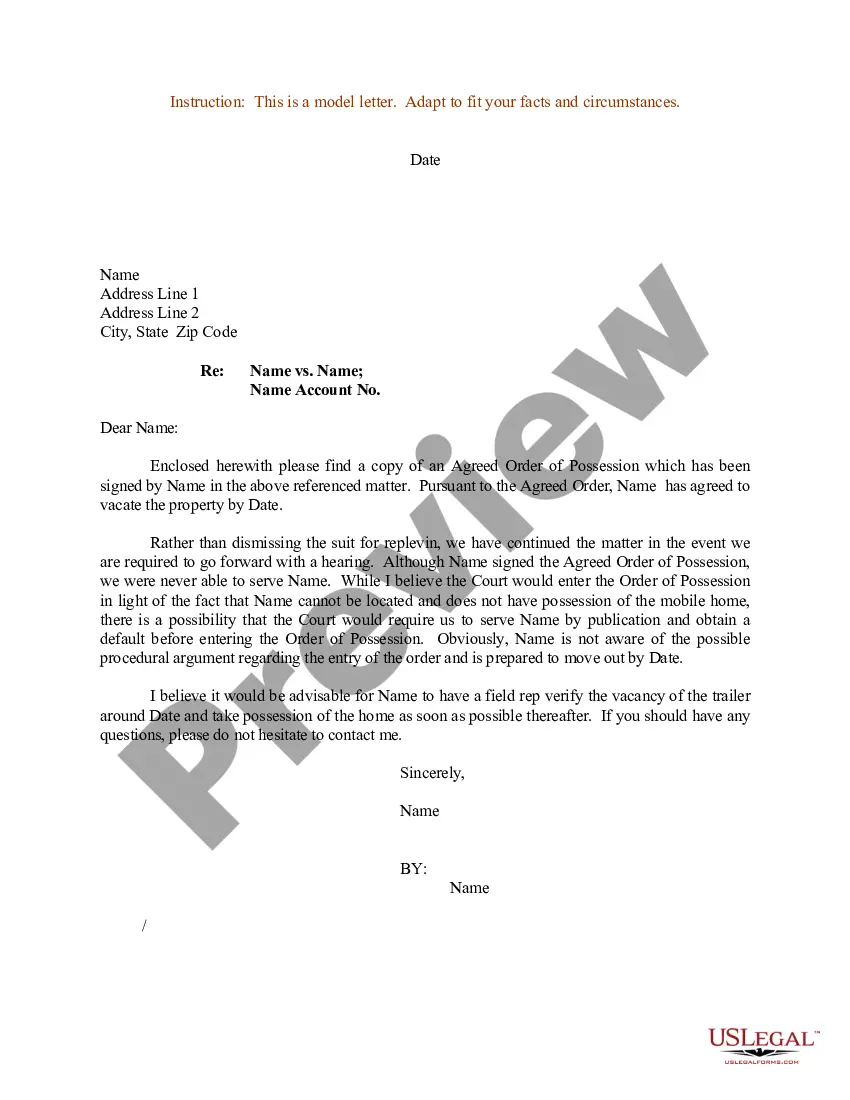
Get your form ready online
Our built-in tools help you complete, sign, share, and store your documents in one place.
Make edits, fill in missing information, and update formatting in US Legal Forms—just like you would in MS Word.
Download a copy, print it, send it by email, or mail it via USPS—whatever works best for your next step.
Sign and collect signatures with our SignNow integration. Send to multiple recipients, set reminders, and more. Go Premium to unlock E-Sign.
If this form requires notarization, complete it online through a secure video call—no need to meet a notary in person or wait for an appointment.
We protect your documents and personal data by following strict security and privacy standards.

Make edits, fill in missing information, and update formatting in US Legal Forms—just like you would in MS Word.

Download a copy, print it, send it by email, or mail it via USPS—whatever works best for your next step.

Sign and collect signatures with our SignNow integration. Send to multiple recipients, set reminders, and more. Go Premium to unlock E-Sign.

If this form requires notarization, complete it online through a secure video call—no need to meet a notary in person or wait for an appointment.

We protect your documents and personal data by following strict security and privacy standards.
Looking for another form?










Form popularity
FAQ
Tips for an Effective Character Letter To a Judge in California Understand the Purpose of a Character Letter. Use Specific Anecdotes Over General Praise. Address the Impact on the Defendant's Support Network. Maintain Respect For the Court. Respect the Judge's Time. Align Your Expectations with Reality.
HOW TO COMPLETE THIS ANSWER TEMPLATE Know your deadline. You have only 21 days after being served with the Summons and Complaint to file a response. Fill in the case information. On the top of the first page, write your name and address. Respond to each paragraph in the Complaint. Read each sentence of the Complaint.
The greeting appears two lines below the employer's address and should be “Dear Mr.,” “Dear Ms.,” “Dear Mx.,” “Dear First Name LastName,” or “Dear Judge.” When possible, avoid addressing your letter generally, such as Dear Sir or Madam, or “To Whom It May Concern”; instead take the time to find the contact person ...
If you do not believe you owe the debt or disagree with the amount, you need to file an Answer within 20 days of receiving the Summons and Complaint. The Answer must state why you do not owe the debt and any affirmative defenses you believe you have to the debt.
1. Use formal language: Address the judge as "Honorable Full Name". 2. Include proper titles: Use "Dear Judge Last Name" as the salutation.
General format - each motion generally consists of a case caption, a title that briefly identifies the relief sought, a series of numbered paragraphs that explains -- in a logical way -- why you are entitled to that relief, a prayer for relief, a signature block, a certification that a copy of the motion was sent to ...
If you are well known in your community, your family name or place of work might make you more reputable in the eyes of the judge. Next, express exactly why you are writing. Include the name of the victim or the defendant, how you know the defendant, and why you're writing on behalf of them.
In representing a client, a lawyer shall not communicate about the subject of the representation with a person the lawyer knows to be represented by another lawyer in the matter, unless the lawyer has the consent of the other lawyer or is authorized to do so by law or a court order.
Magistrate Judges should have this title after their name (“The Honorable First M. Last, Magistrate Judge”). It will still be “Dear Judge Last” after that. Commissioners should also have this title after their name (“The Honorable First M.
In person: In an interview, social event, or in court, address a judge as “Your Honor” or “Judge last name.” If you are more familiar with the judge, you may call her just “Judge.” In any context, avoid “Sir” or “Ma'am.” Special Titles.
