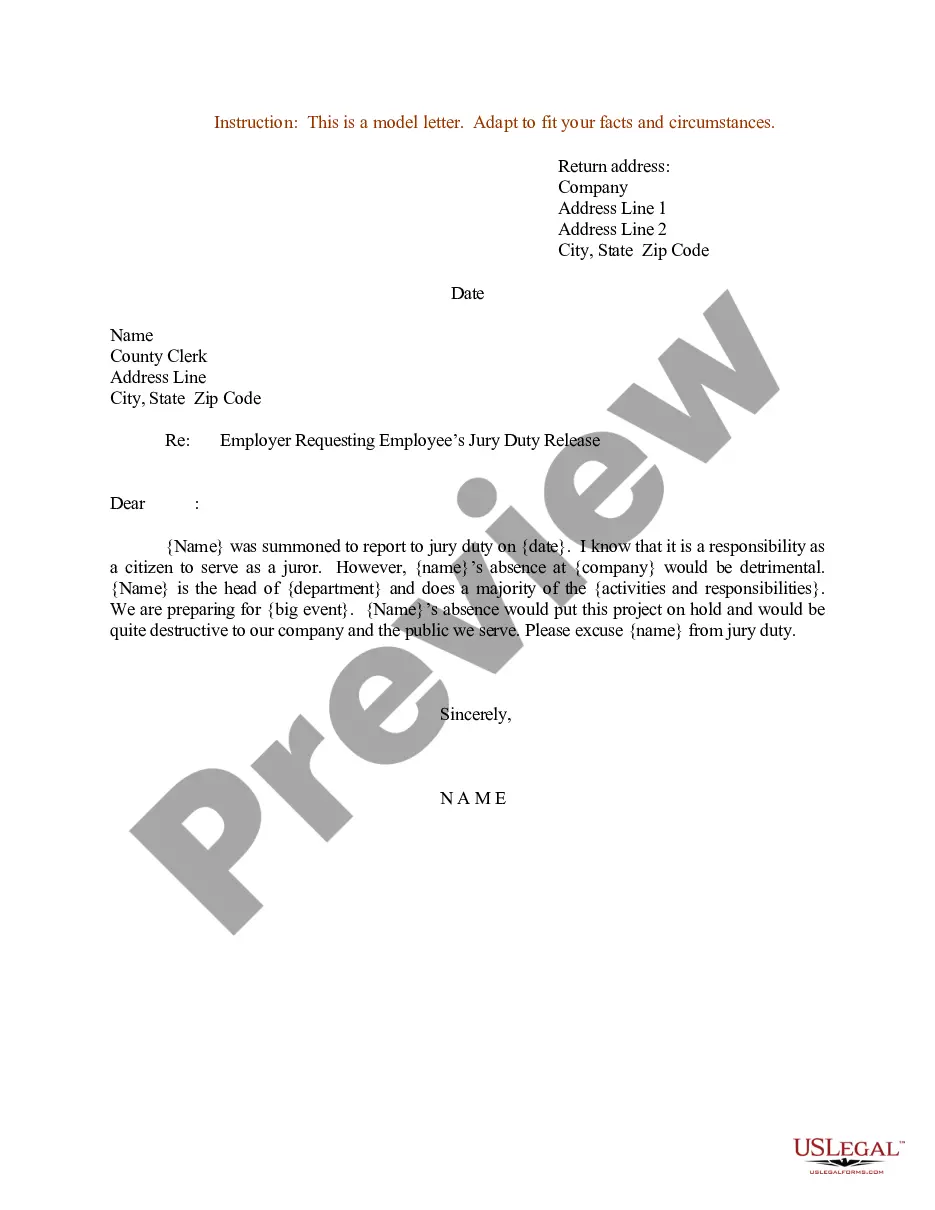
Court Letter Sample With Attention In Nassau
Description




Get your form ready online
Our built-in tools help you complete, sign, share, and store your documents in one place.
Make edits, fill in missing information, and update formatting in US Legal Forms—just like you would in MS Word.
Download a copy, print it, send it by email, or mail it via USPS—whatever works best for your next step.
Sign and collect signatures with our SignNow integration. Send to multiple recipients, set reminders, and more. Go Premium to unlock E-Sign.
If this form requires notarization, complete it online through a secure video call—no need to meet a notary in person or wait for an appointment.
We protect your documents and personal data by following strict security and privacy standards.

Make edits, fill in missing information, and update formatting in US Legal Forms—just like you would in MS Word.

Download a copy, print it, send it by email, or mail it via USPS—whatever works best for your next step.

Sign and collect signatures with our SignNow integration. Send to multiple recipients, set reminders, and more. Go Premium to unlock E-Sign.

If this form requires notarization, complete it online through a secure video call—no need to meet a notary in person or wait for an appointment.

We protect your documents and personal data by following strict security and privacy standards.
Looking for another form?







Form popularity
FAQ
Generally, for extension requests, most judges require both parties to “confer” (communicate with one another) and try to obtain the other party's consent for extra time. If the other party does not give their consent, you can still move forward with filing your request.
Writing Your Letter Search for a form letter. Some courts print off forms that you can use to request a hearing. Open a word processing document. Insert a salutation. Add a heading. Begin the letter with your request. Explain why you need the hearing. Provide a contact number. Sign the letter.
Use these steps to help you make an effective deadline extension request: Determine deadline importance. Decide how to ask. Provide a specific reason. Show your dedication. Offer to share your progress. Set a reasonable new deadline. Show gratitude.
To Whom It May Concern: First Paragraph: Explain who you are. Second Paragraph: Explain why you are writing the letter. Third Paragraph: Thank the court, and make your “ask.” State that you are available to confirm the facts in this letter as necessary.
The letter should be addressed to the Judge, but mailed to the defendant's attorney. Who are you? ... Make it personal when describing the defendant's characteristics. Only talk about what you know. Be truthful. Never attack the victims or law enforcement. Never allow the defendant to write the letter for you.
Here are some helpful tips when asking for a deadline extension: Establish if a deadline extension is possible. Determine how to request for extension. Give them a credible and specific reason. Show your supervisor your dedication. Offer proof of progress. Give a reasonable new deadline and adhere to it.
Begin with a formal salutation, such as "Dear Judge Last Name," and introduce yourself and your case. Clearly state your reasons for requesting a continuance and provide supporting evidence. Conclude your letter by expressing your gratitude and willingness to cooperate with the court's decision.
As I explained today, I need a continuance of the hearing on (date) . I ask you to reschedule because (reason): Please let me know by (date) if you will agree to a continuance. If you agree, please send me a letter or email that says that you agree to the continuance.
State that you respect that the defendant has been found guilty or pled guilty to a crime, and that you are writing the letter to offer a fuller picture of him or her as a person. Include specific examples of how the person has helped you or someone else, or how he or she has been a leader or an inspiration.
Answer. The format of an authorization letter should include the date, the name of the person to whom it is addressed, details about the person who has been authorized (such as name and identity proof), the reason for his absence, the duration of the authorized letter, and the action to be performed by another person.
