Court Letter Sample With Reason In Middlesex
Description



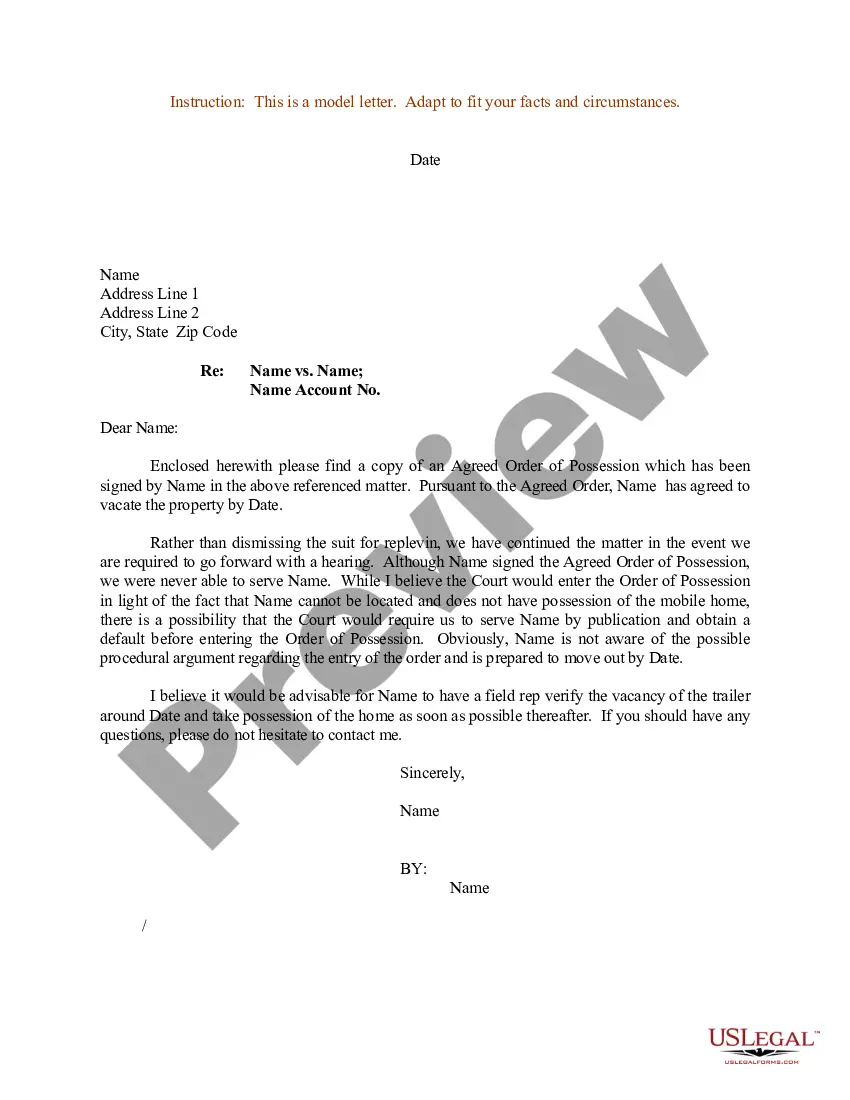
Get your form ready online
Our built-in tools help you complete, sign, share, and store your documents in one place.
Make edits, fill in missing information, and update formatting in US Legal Forms—just like you would in MS Word.
Download a copy, print it, send it by email, or mail it via USPS—whatever works best for your next step.
Sign and collect signatures with our SignNow integration. Send to multiple recipients, set reminders, and more. Go Premium to unlock E-Sign.
If this form requires notarization, complete it online through a secure video call—no need to meet a notary in person or wait for an appointment.
We protect your documents and personal data by following strict security and privacy standards.

Make edits, fill in missing information, and update formatting in US Legal Forms—just like you would in MS Word.

Download a copy, print it, send it by email, or mail it via USPS—whatever works best for your next step.

Sign and collect signatures with our SignNow integration. Send to multiple recipients, set reminders, and more. Go Premium to unlock E-Sign.

If this form requires notarization, complete it online through a secure video call—no need to meet a notary in person or wait for an appointment.

We protect your documents and personal data by following strict security and privacy standards.
Looking for another form?


Form popularity
FAQ
To obtain an Order to Show Cause for injunctive relief, the requesting party must show the court that the situation at hand could cause serious and irreparable harm to the moving party if the court does not act. This has also been described as “immediate and irreversible harm” to the movant.
Legal Examples: A Show Cause Order is issued to a party who has allegedly violated a court order. The individual must appear in court to explain why they should not be held in contempt for failing to comply with the original order, such as not paying court-ordered child support.
To obtain an Order to Show Cause for injunctive relief, the requesting party must show the court that the situation at hand could cause serious and irreparable harm to the moving party if the court does not act. This has also been described as “immediate and irreversible harm” to the movant.
On a separate page or pages, write a short and plain statement of the answer to the allegations in the complaint. Number the paragraphs. The answer should correspond to each paragraph in the complaint, with paragraph 1 of the answer corresponding to paragraph 1 of the complaint, etc.
It is mandatory that a Show Cause Notice (SCN) is issued if the department contemplates any action prejudicial to the assessee. The SCN would detail the provisions of law allegedly violated and ask the noticee to show cause why action should not be initiated against him under the relevant provisions of the Act/Rules.
Lawsuits for amounts up to $20,000 are called special civil cases. They are filed in Superior Court, in the special civil part of the civil division.
Appellate courts often issue orders to show cause to lower courts requesting that the lower court explain why the appellant should not be granted the relief requested by the writ or appeal.
Or other relevant announcements. So when you receive a letter from the clerk of courts. It'sMoreOr other relevant announcements. So when you receive a letter from the clerk of courts. It's essential to read it carefully. And take any necessary.
Stayed (temporarily stopped) or want to stop an eviction (lock out) before the eviction date, you can file an Order to Show Cause (OSC) which is an emergency order to either stay. (delay) or vacate (dismiss) the judgment. • In an Order to Show Cause, you explain to the court your reasons for seeking additional.

