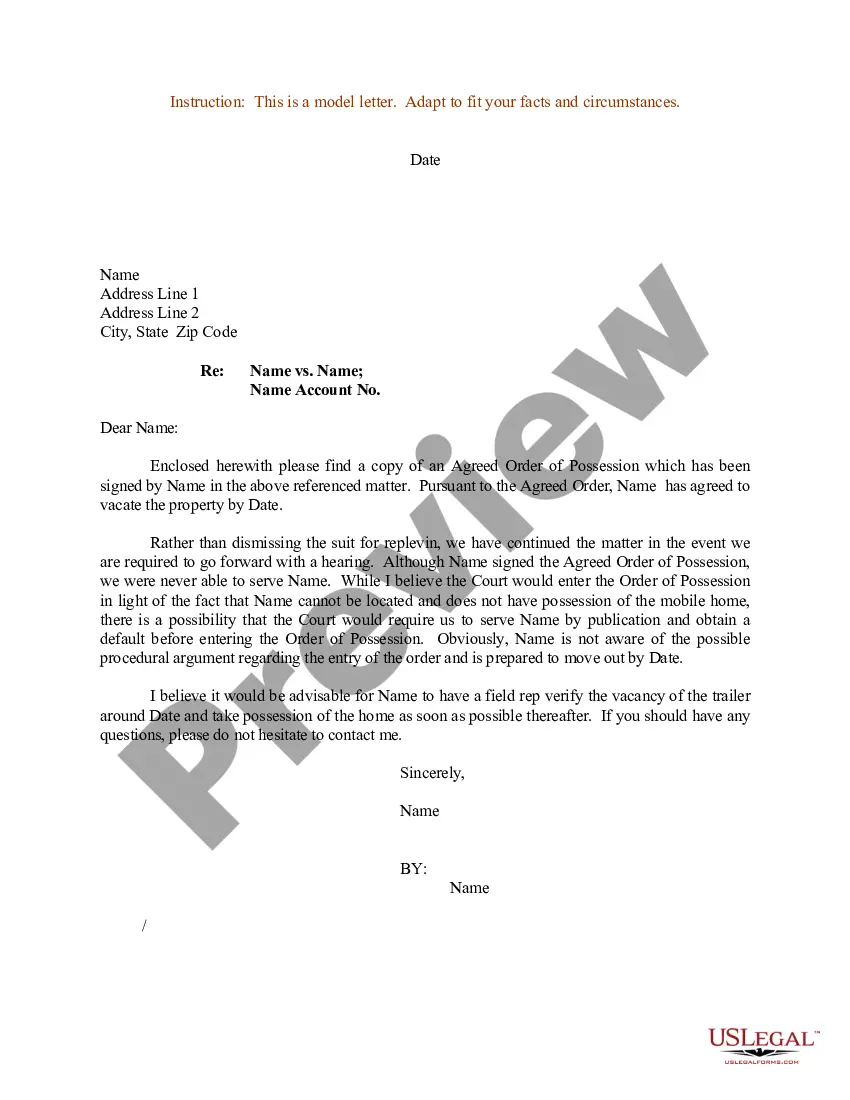
Court Letter Sample For Student In Middlesex
Description



Get your form ready online
Our built-in tools help you complete, sign, share, and store your documents in one place.
Make edits, fill in missing information, and update formatting in US Legal Forms—just like you would in MS Word.
Download a copy, print it, send it by email, or mail it via USPS—whatever works best for your next step.
Sign and collect signatures with our SignNow integration. Send to multiple recipients, set reminders, and more. Go Premium to unlock E-Sign.
If this form requires notarization, complete it online through a secure video call—no need to meet a notary in person or wait for an appointment.
We protect your documents and personal data by following strict security and privacy standards.

Make edits, fill in missing information, and update formatting in US Legal Forms—just like you would in MS Word.

Download a copy, print it, send it by email, or mail it via USPS—whatever works best for your next step.

Sign and collect signatures with our SignNow integration. Send to multiple recipients, set reminders, and more. Go Premium to unlock E-Sign.

If this form requires notarization, complete it online through a secure video call—no need to meet a notary in person or wait for an appointment.

We protect your documents and personal data by following strict security and privacy standards.
Looking for another form?







Form popularity
FAQ
Divorce records are publicly accessible in New Jersey unless sealed by a Family Court judge. In addition to the final judgement of divorce cases, New Jersey law provides public access to documents providing details of all hearings, arraignments, sentencing, and appeal of divorce cases.
“A cross-motion may be filed and served by the responding party together with that party's opposition to the motion and noticed for the same return date only if it relates to the subject matter of the original motion, except in Family Part motions brought under Part V of these Rules where a notice of cross-motion may ...
As most commonly understood by judges and practitioners, a cross-motion in state or federal court possesses three elements: (1) it is filed against the originally moving party; (2) it is filed by a party against whom the original motion was filed; and (3) it requests an order similar to that requested by the originally ...
Cross-claims may be asserted by any defendant as of right within 90 days after service upon the defendant of the original complaint or after service of the complaint upon the party against whom the cross-claim is asserted, whichever is later.
Time for Filing Most Motions Most motions must be filed and served at least 16 days before the return date, opposition must be filed and served at least 8 days before the return date, and any reply must be filed and served at least 4 days before the return date. See court rule below.
Lawsuits for amounts up to $20,000 are called special civil cases. They are filed in Superior Court, in the special civil part of the civil division.
General format - each motion generally consists of a case caption, a title that briefly identifies the relief sought, a series of numbered paragraphs that explains -- in a logical way -- why you are entitled to that relief, a prayer for relief, a signature block, a certification that a copy of the motion was sent to ...
If you want to file a motion, the process is generally something like this: You write your motion. You file your motion with the court clerk. The court clerk inserts the date and time your motion will be heard by the judge. You “serve” (mail) your motion to the other side.
You must complete and submit an original and two copies of the enclosed complaint form as well as the Civil Cover Sheet. You should also keep an additional copy of any document filed with the Court for your own records. All copies of the complaint must be identical to the original.
Small claims are simpler than other case types. Most people are able to file and present their cases without an attorney.

