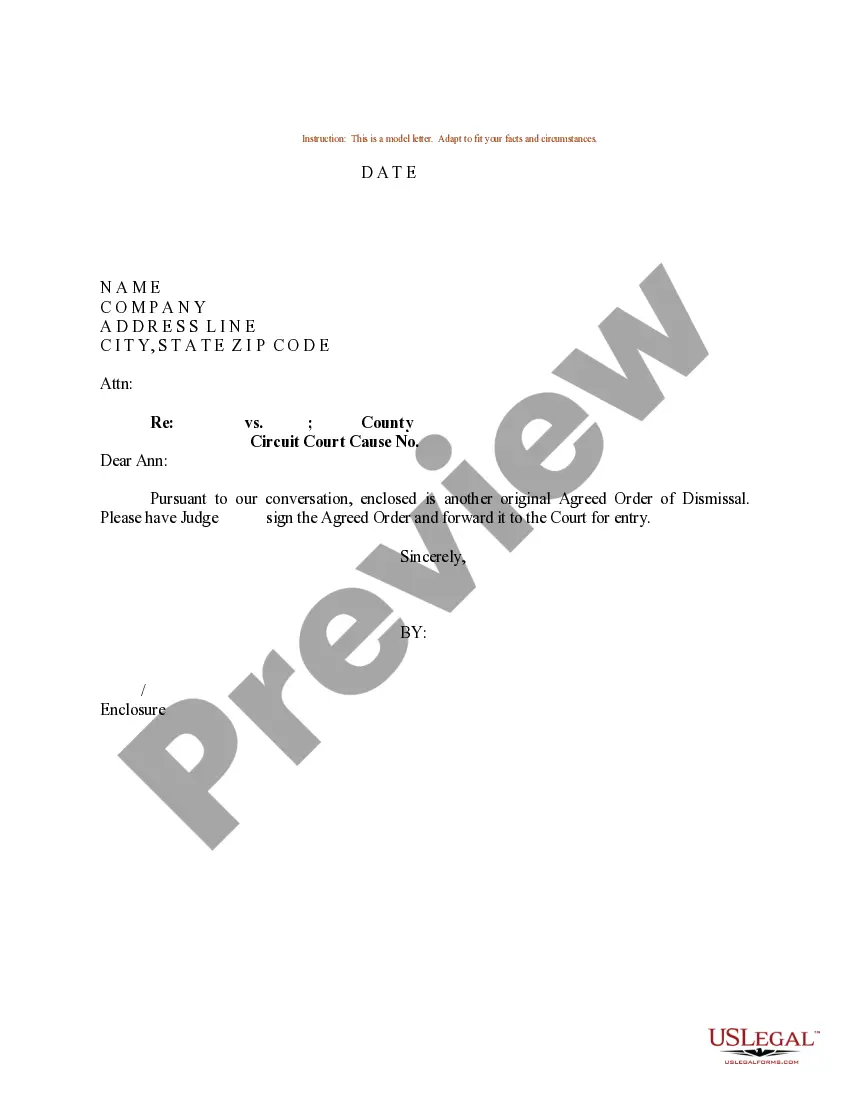
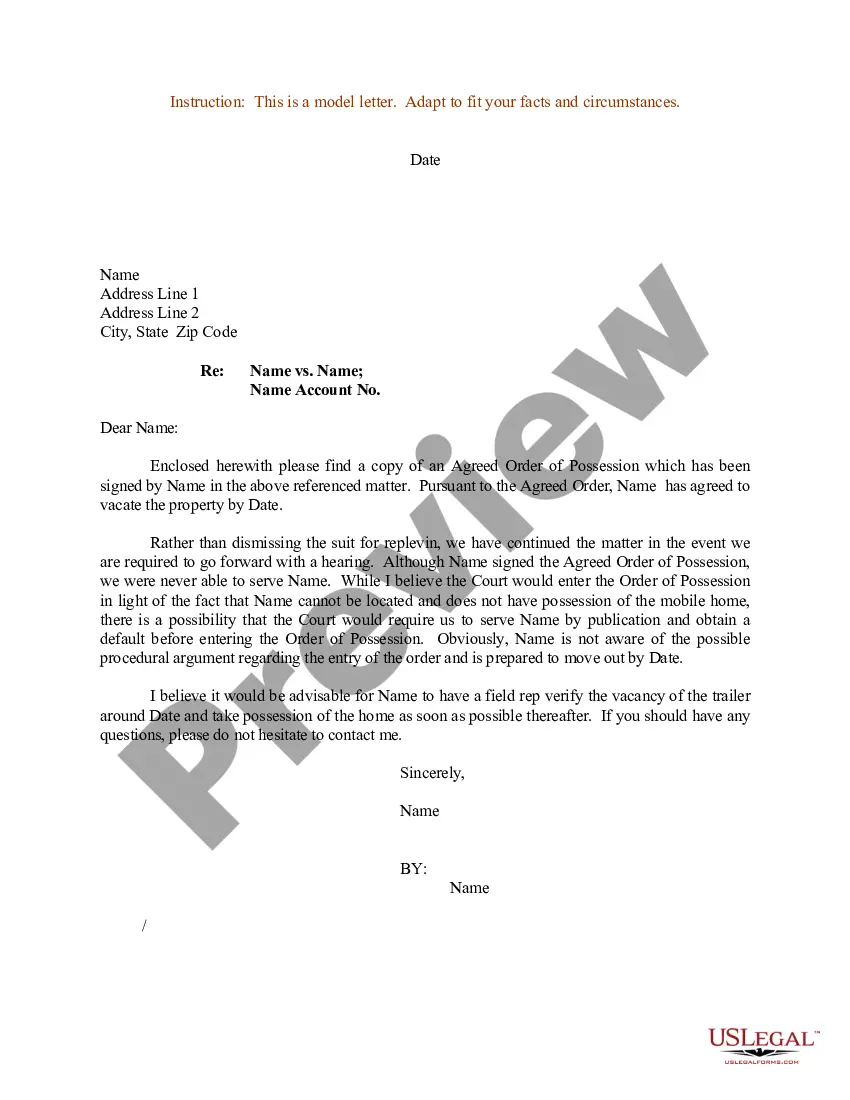
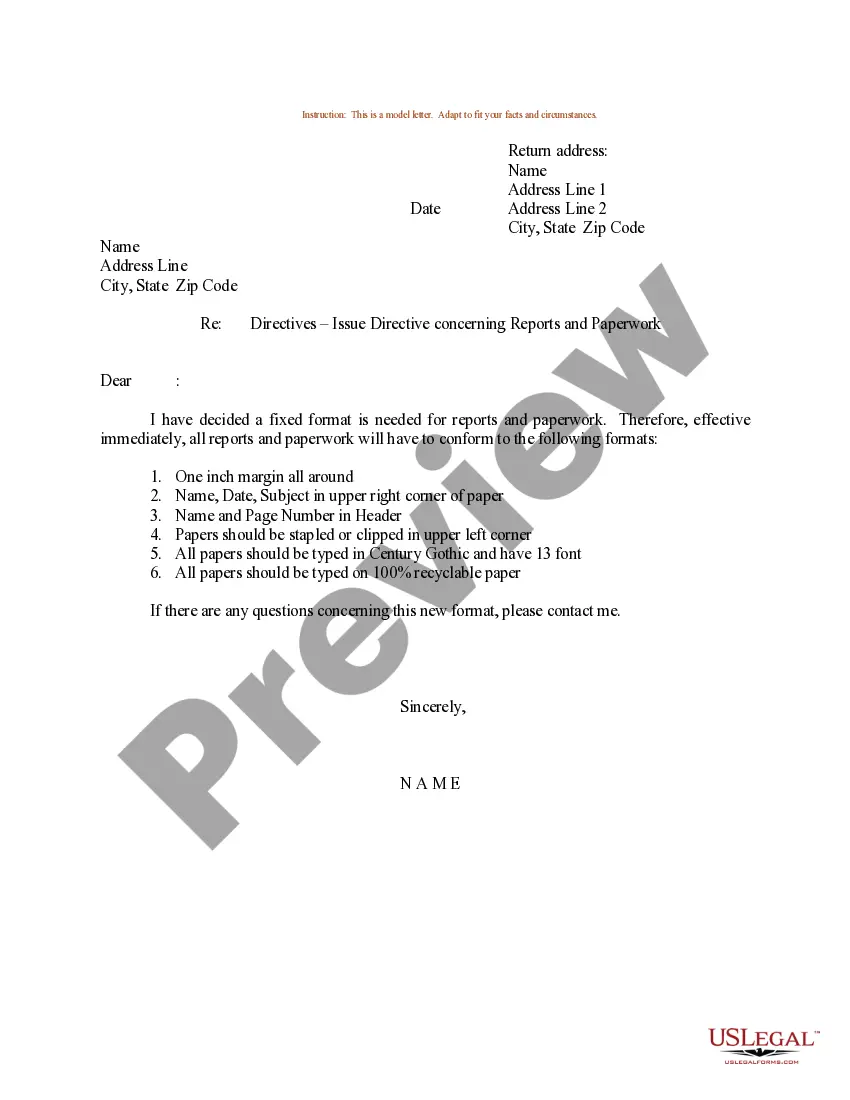
Court Letter Sample For Student In Michigan
Description


Get your form ready online
Our built-in tools help you complete, sign, share, and store your documents in one place.
Make edits, fill in missing information, and update formatting in US Legal Forms—just like you would in MS Word.
Download a copy, print it, send it by email, or mail it via USPS—whatever works best for your next step.
Sign and collect signatures with our SignNow integration. Send to multiple recipients, set reminders, and more. Go Premium to unlock E-Sign.
If this form requires notarization, complete it online through a secure video call—no need to meet a notary in person or wait for an appointment.
We protect your documents and personal data by following strict security and privacy standards.

Make edits, fill in missing information, and update formatting in US Legal Forms—just like you would in MS Word.

Download a copy, print it, send it by email, or mail it via USPS—whatever works best for your next step.

Sign and collect signatures with our SignNow integration. Send to multiple recipients, set reminders, and more. Go Premium to unlock E-Sign.

If this form requires notarization, complete it online through a secure video call—no need to meet a notary in person or wait for an appointment.

We protect your documents and personal data by following strict security and privacy standards.
Looking for another form?







Form popularity
FAQ
"In Pro Per" means that you are acting as your own attorney. You are not required to hire an attorney, but before taking any legal action, it is highly advisable to consult with a lawyer who can inform you about important legal rights.
Drafting the Motion Check if the court has blank motion forms. Create your caption. Title your motion. Draft the introductory paragraph to the body of the motion. Request relief. Lay out the applicable facts. Make your legal argument. Insert a signature block.
Litigants or parties representing themselves in court without the assistance of an attorney are known as pro se litigants.
A “pro se litigant” is a person who is involved in litigation but not represented by an attorney. Instead, the person represents themselves, also sometimes referred to as a “self-represented litigant.” Court staff can help a pro se litigant understand how to do things.
Fill out form MC 03 (Answer, Civil) on the website or get a paper copy from the court to fill out. Write in the court number, case number, the court address, the court telephone number, and the names, addresses, and telephone numbers of the plaintiff and the defendant exactly as they are on your court papers.
Note: In legal terminology, a person who engages in self-representation can be said to be acting pro se or in propria persona.
A subpoena must: (1) be entitled in the name of the People of the State of Michigan; (2) be imprinted with the seal of the Supreme Court of Michigan; (3) have typed or printed on it the name of the court in which the matter is pending; (4) state the place where the trial or hearing is scheduled; (5) state the title of ...
It is an old law adage, copied from the Italian proverb of Che s'insegna, &c. that the man who is his own lawyer has a fool for a client.
For evidence to get admitted in criminal trials, it must be relevant, material, and competent. This means the evidence must help prove or disprove some fact in the case. It doesn't need to make the fact certain, but at least it must tend to increase or decrease the likelihood of some disputed fact.
Important points to include in a legal document. Party details. List the names, numbers, addresses (email or physical), and any other relevant information of all parties involved. Background information. Motion. Roles and responsibilities. Breaches or contingencies. Dates and signatures.

