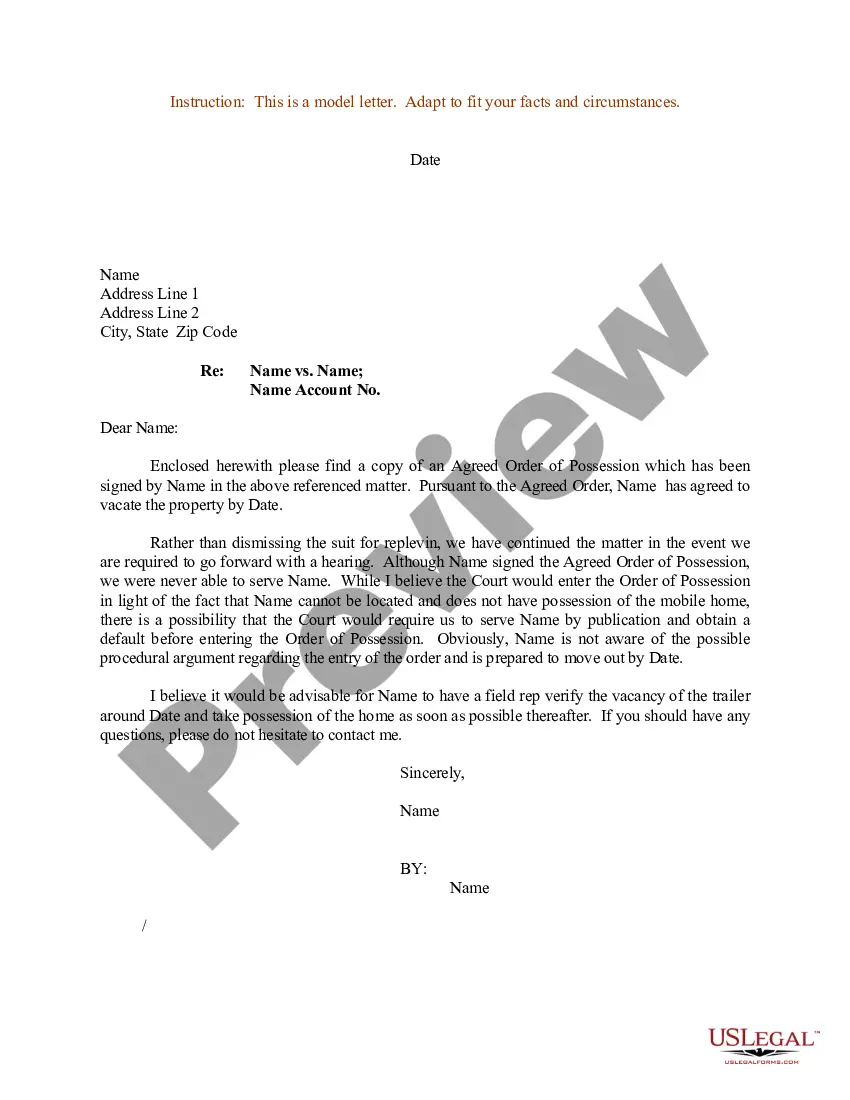
Court Letter Sample For School In Michigan
Description



Get your form ready online
Our built-in tools help you complete, sign, share, and store your documents in one place.
Make edits, fill in missing information, and update formatting in US Legal Forms—just like you would in MS Word.
Download a copy, print it, send it by email, or mail it via USPS—whatever works best for your next step.
Sign and collect signatures with our SignNow integration. Send to multiple recipients, set reminders, and more. Go Premium to unlock E-Sign.
If this form requires notarization, complete it online through a secure video call—no need to meet a notary in person or wait for an appointment.
We protect your documents and personal data by following strict security and privacy standards.

Make edits, fill in missing information, and update formatting in US Legal Forms—just like you would in MS Word.

Download a copy, print it, send it by email, or mail it via USPS—whatever works best for your next step.

Sign and collect signatures with our SignNow integration. Send to multiple recipients, set reminders, and more. Go Premium to unlock E-Sign.

If this form requires notarization, complete it online through a secure video call—no need to meet a notary in person or wait for an appointment.

We protect your documents and personal data by following strict security and privacy standards.
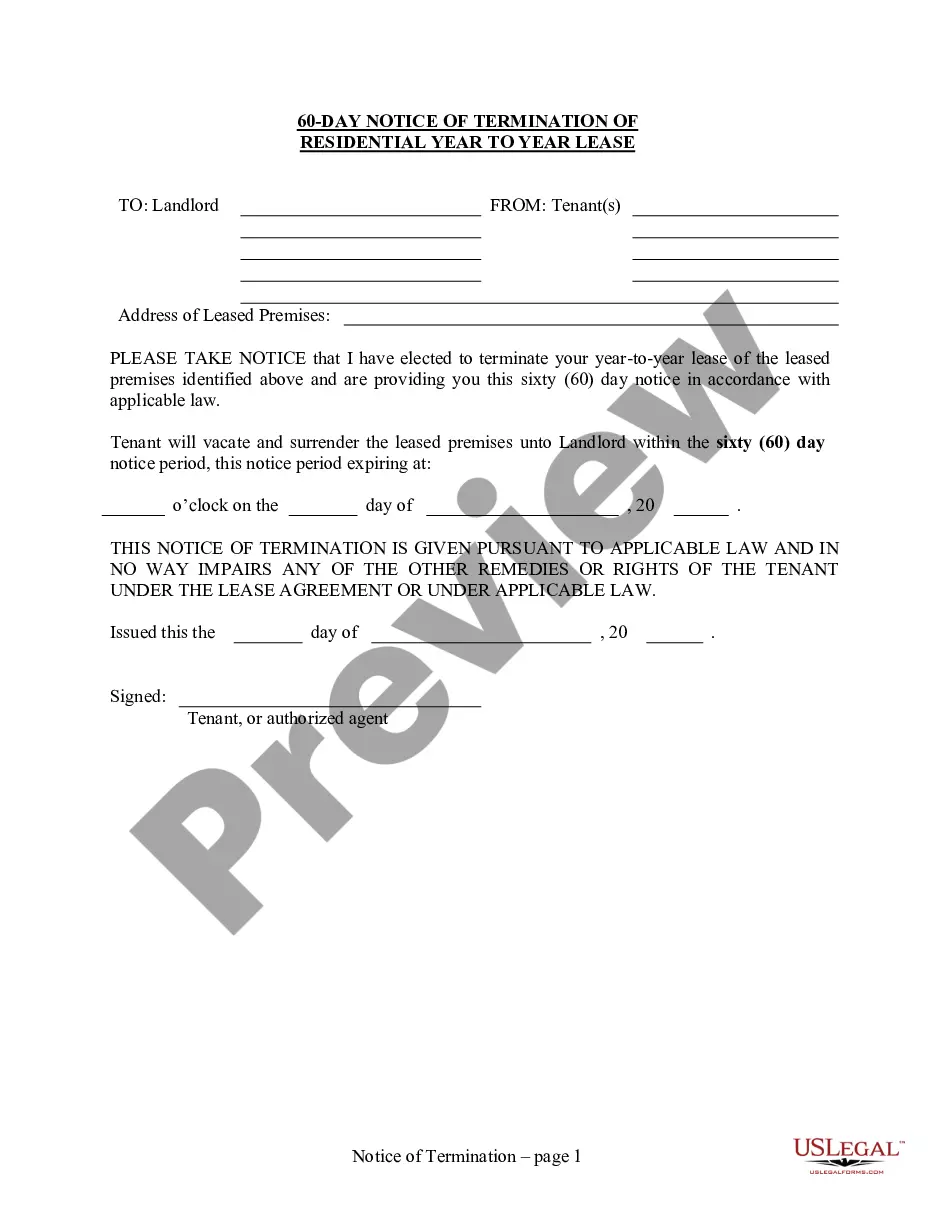
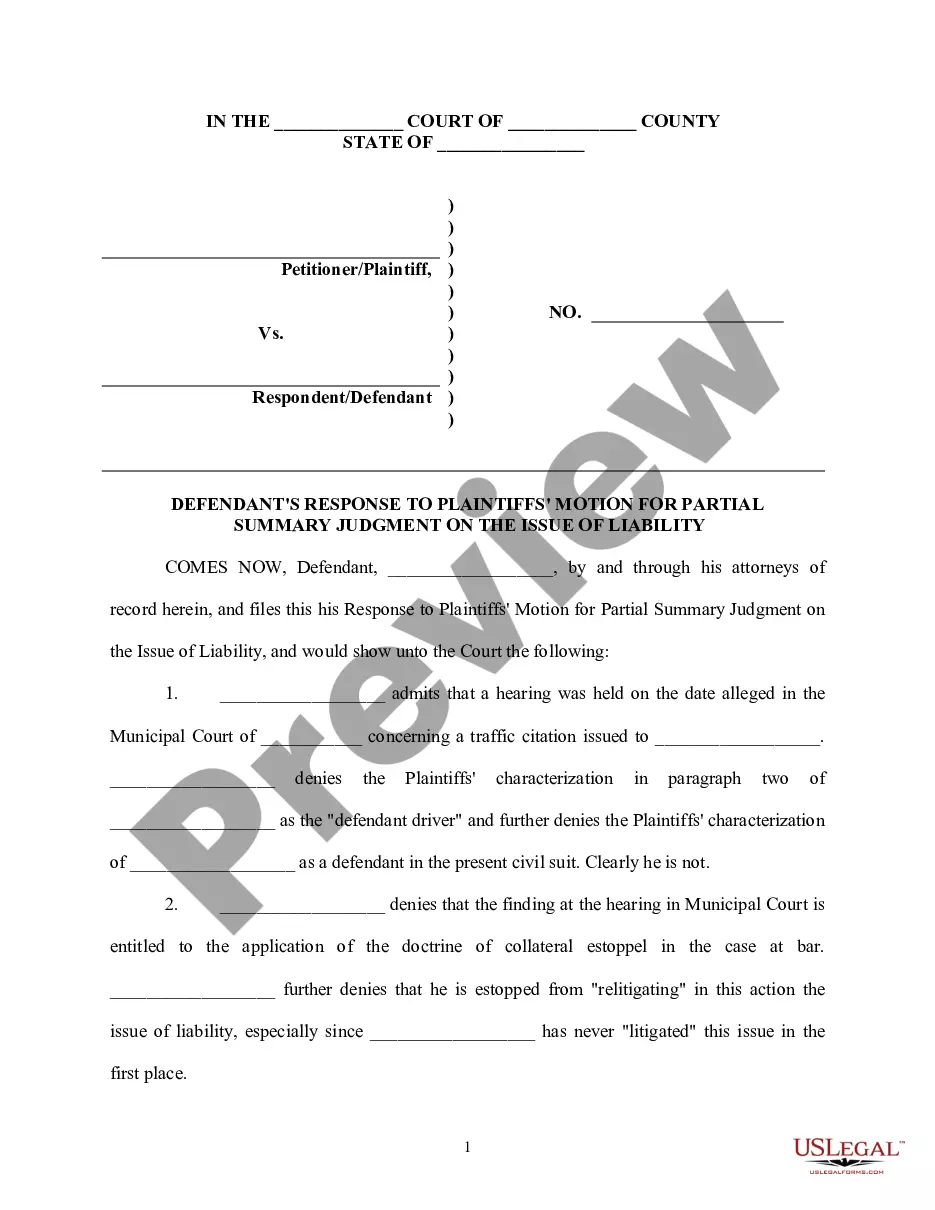
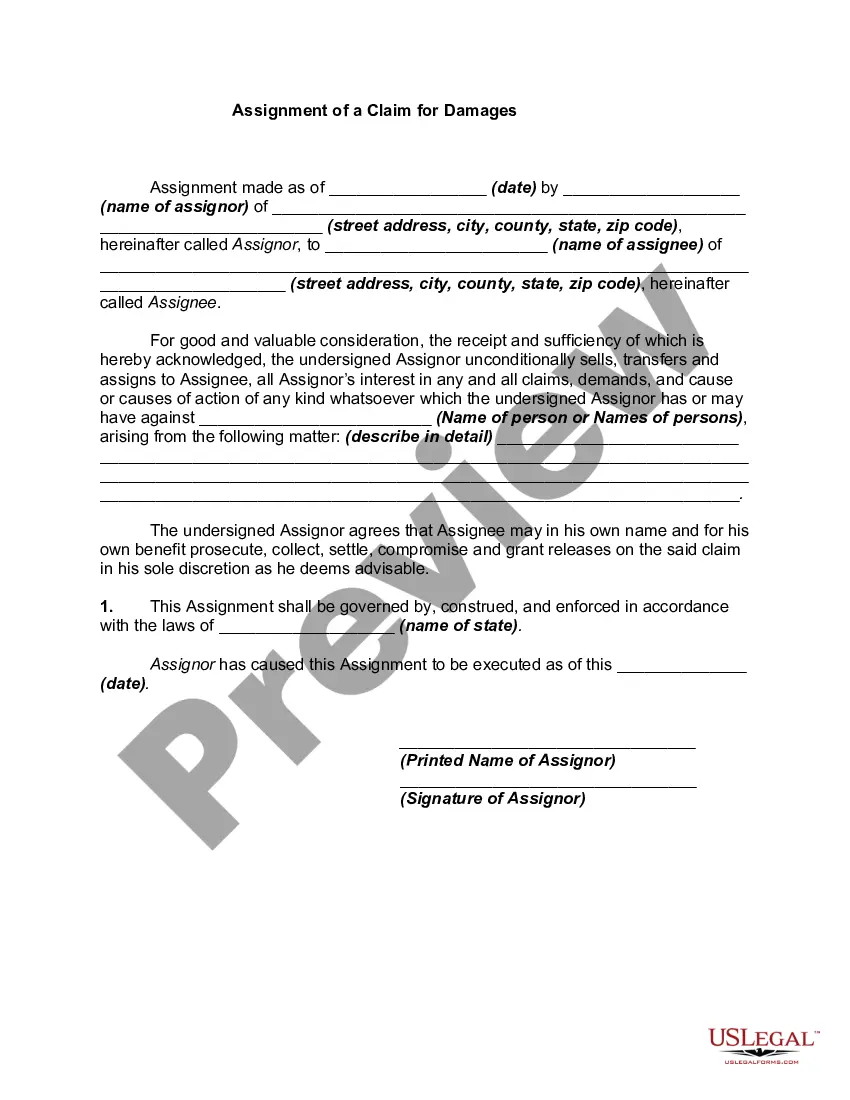
Looking for another form?




Form popularity
FAQ
Drafting the Motion Check if the court has blank motion forms. Create your caption. Title your motion. Draft the introductory paragraph to the body of the motion. Request relief. Lay out the applicable facts. Make your legal argument. Insert a signature block.
If you have a case pending, you cannot issue a subpoena unless you are a lawyer; you must instead request the court to issue one on your behalf. If there is no case pending, you might be better served filing a request under the Freedom of Information Act.
Fill out form MC 03 (Answer, Civil) on the website or get a paper copy from the court to fill out. Write in the court number, case number, the court address, the court telephone number, and the names, addresses, and telephone numbers of the plaintiff and the defendant exactly as they are on your court papers.
A subpoena must: (1) be entitled in the name of the People of the State of Michigan; (2) be imprinted with the seal of the Supreme Court of Michigan; (3) have typed or printed on it the name of the court in which the matter is pending; (4) state the place where the trial or hearing is scheduled; (5) state the title of ...
On written request, the tribunal shall revoke a subpoena if the evidence, the production of which is required, does not relate to a matter in issue, or if the subpoena does not describe with sufficient particularity the evidence, the production of which is required, or if for any other reason sufficient in law the ...
The maximum you can collect through a judgment in the small claims division of the district court is $7,000. If your claim is for more than $7,000, you can still use the small claims division but your judgment award cannot exceed $7,000 and you permanently waive the right to collect the rest of your claim.
A subpoena must: (1) be entitled in the name of the People of the State of Michigan; (2) be imprinted with the seal of the Supreme Court of Michigan; (3) have typed or printed on it the name of the court in which the matter is pending; (4) state the place where the trial or hearing is scheduled; (5) state the title of ...
Here's how: Complete the subpoena form. Prepare a declaration under penalty of perjury. Briefly describe the documents you need and why they are necessary to prove issues involved in the case. Have a subpoena issued by the small claims clerk.
If you want to file a motion, the process is generally something like this: You write your motion. You file your motion with the court clerk. The court clerk inserts the date and time your motion will be heard by the judge. You “serve” (mail) your motion to the other side.
When drafting an answer, one must: (1) follow the local, state, and federal court rules; (2) research the legal claims in the adversary's complaint; (3) respond to the adversary's factual allegations; and (4) assert affirmative defenses, counterclaims, cross-claims, or third-party claims, if applicable.

