Court Letter Sample With Thru In Maricopa
Description




Get your form ready online
Our built-in tools help you complete, sign, share, and store your documents in one place.
Make edits, fill in missing information, and update formatting in US Legal Forms—just like you would in MS Word.
Download a copy, print it, send it by email, or mail it via USPS—whatever works best for your next step.
Sign and collect signatures with our SignNow integration. Send to multiple recipients, set reminders, and more. Go Premium to unlock E-Sign.
If this form requires notarization, complete it online through a secure video call—no need to meet a notary in person or wait for an appointment.
We protect your documents and personal data by following strict security and privacy standards.

Make edits, fill in missing information, and update formatting in US Legal Forms—just like you would in MS Word.

Download a copy, print it, send it by email, or mail it via USPS—whatever works best for your next step.

Sign and collect signatures with our SignNow integration. Send to multiple recipients, set reminders, and more. Go Premium to unlock E-Sign.

If this form requires notarization, complete it online through a secure video call—no need to meet a notary in person or wait for an appointment.

We protect your documents and personal data by following strict security and privacy standards.
Looking for another form?
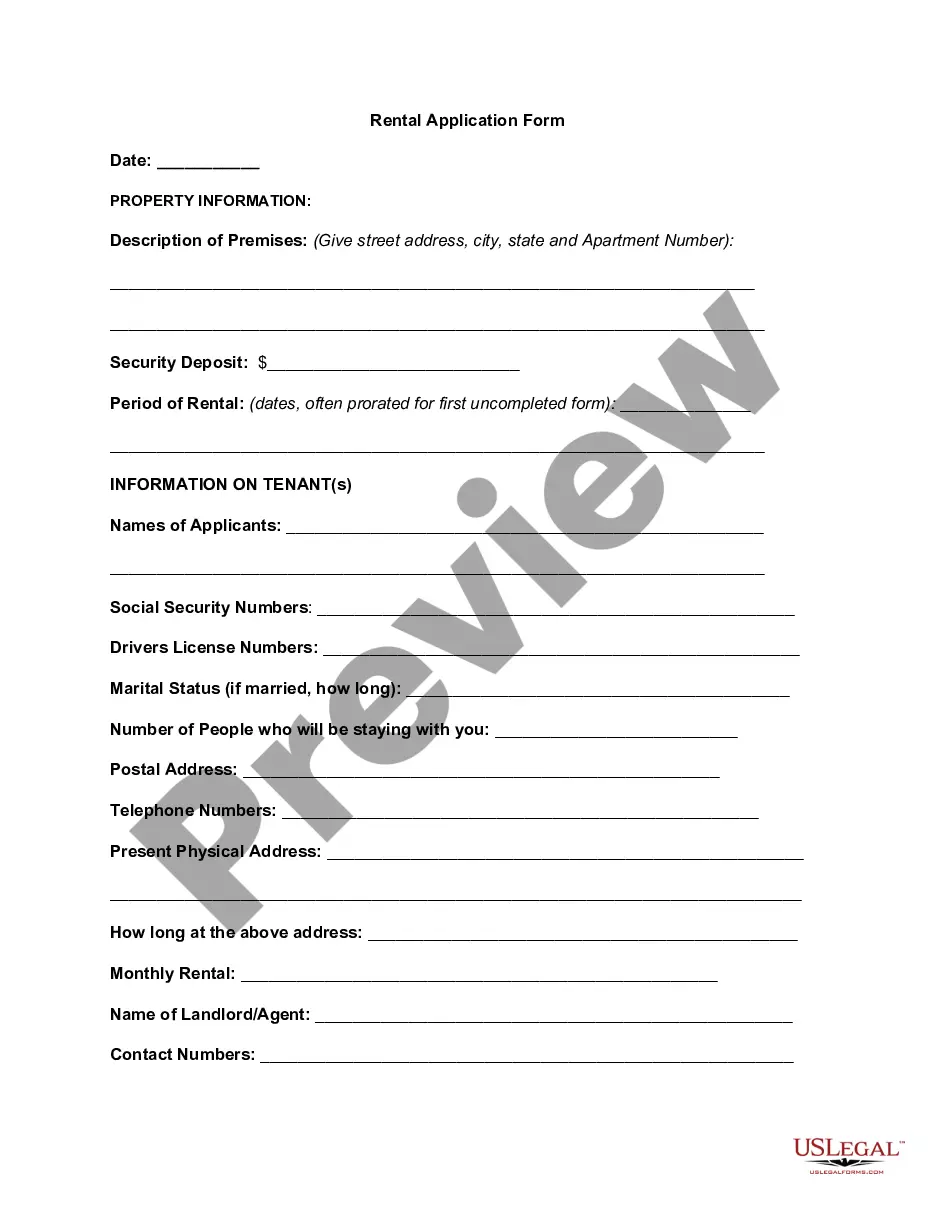

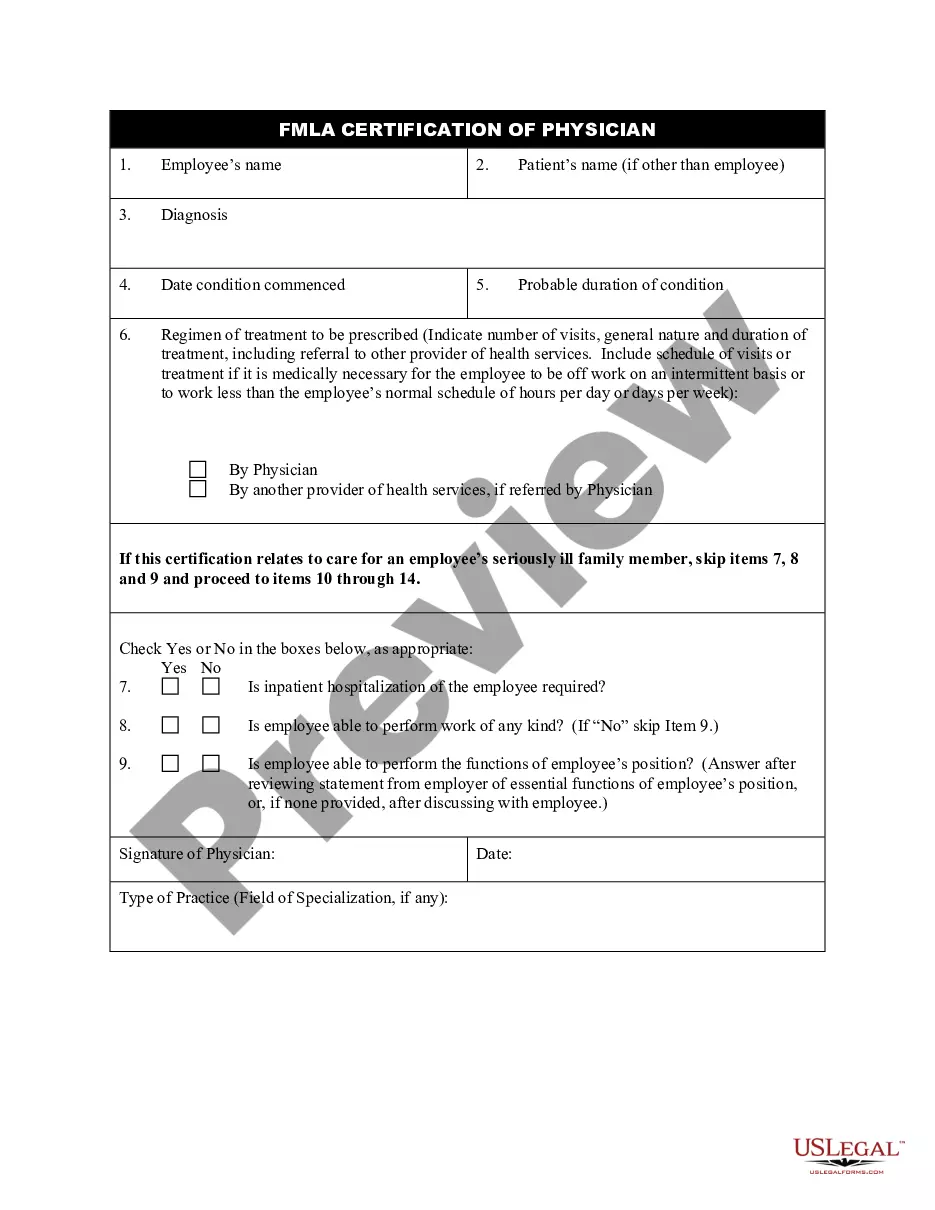

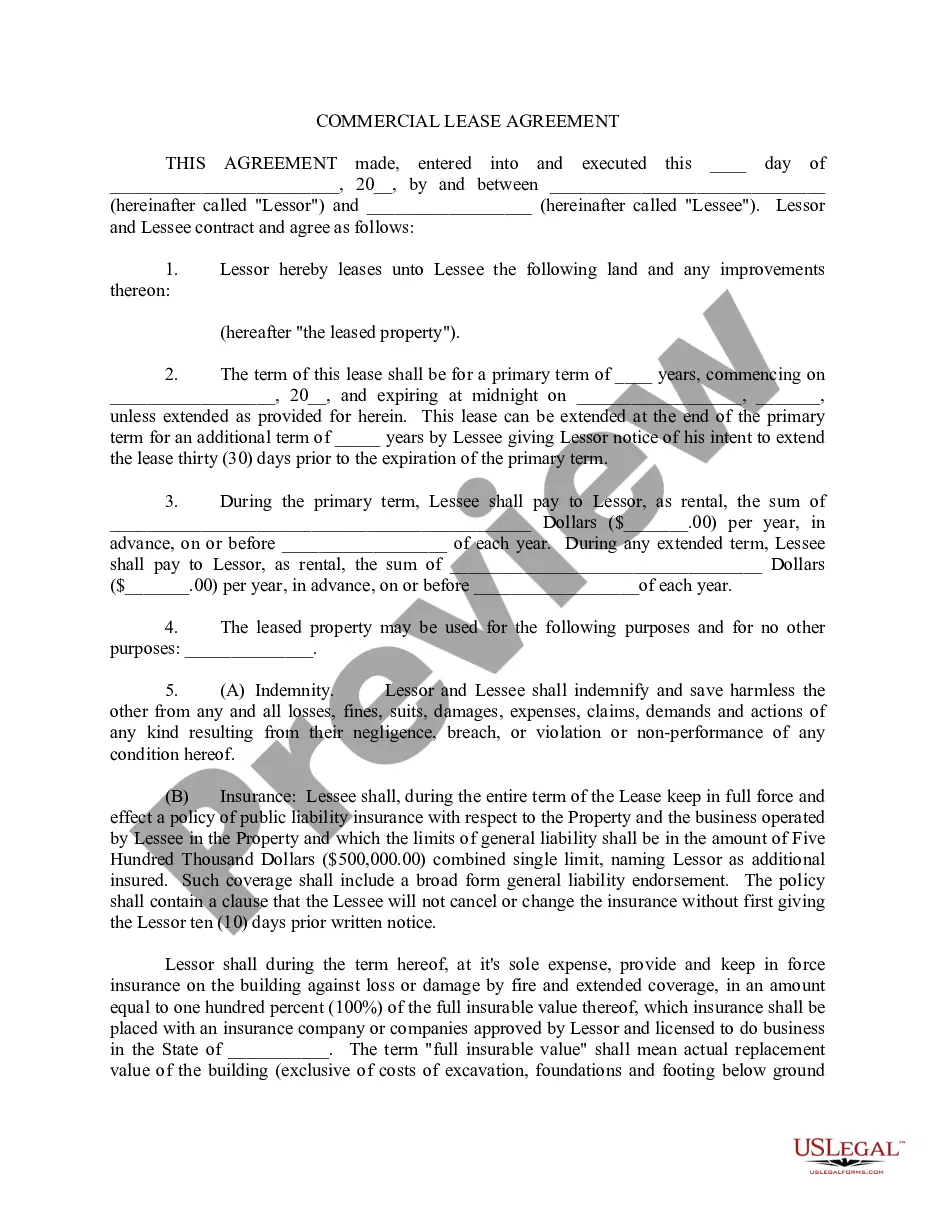
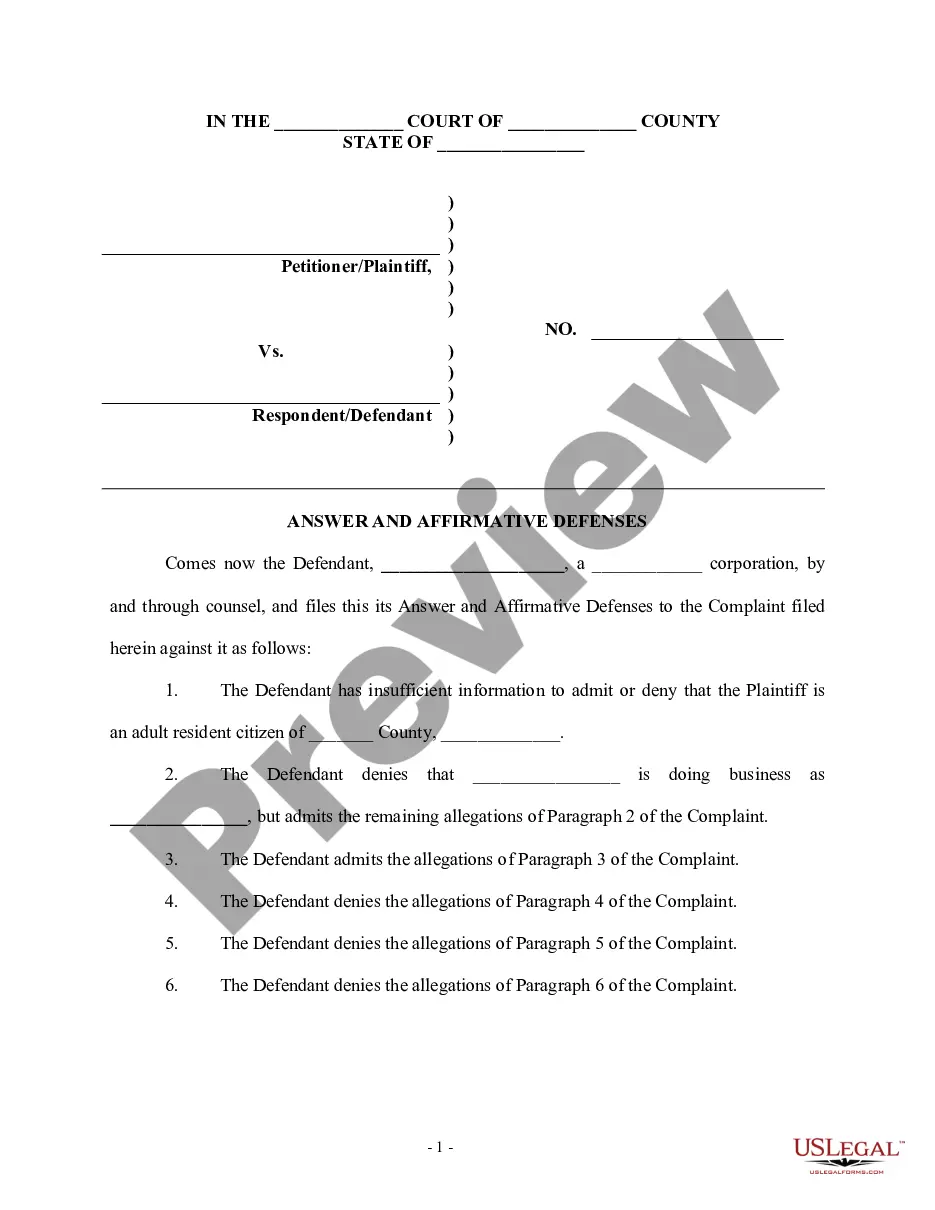


Form popularity
FAQ
In California, for most cases, personal service must be completed at least 16 court days before the court date. A court day is any day the court is open, typically Monday through Friday, excluding holidays. If the recipient resides outside of California, they must be served at least 20 days before the court date.
A Writ of Execution allows the Constable to seize the judgment debtor's non-exempt PERSONAL PROPERTY and hold it for sale at public auction, for the purpose of satisfying the judgment. There are issuance fees and constable fees associated with a writ of execution.
The Sheriff, Constable or Process Server must tell the other person that these are legal papers, then leave the papers near the person (at their feet is fine), or by leaving the papers at the Defendant's dwelling with a person of suitable age and discretion who lives there.
You must be served by the court for a case to be moved forward. Most of the time, personal service is required but Judge can allow service by publications in cases where a defendant has been shown to avoid service.
Generally, your Summons and Complaint must be served within 90 days after you file the Complaint. (ARCP 4(i)) If you fail to serve the Defendants within 90 days, your Complaint will be dismissed.
(i) Time Limit for Service. If a defendant is not served with process within 90 days after the complaint is filed, the court--on motion, or on its own after notice to the plaintiff--must dismiss the action without prejudice against that defendant or order that service be made within a specified time.
Before an Arbitrator is Appointed When filing a complaint, the plaintiff also must file a Certificate of Compulsory Arbitration which states the monetary amount of the controversy. If the case is designated an arbitration case, an arbitrator is appointed once an answer to the complaint is filed.
You must fill out an Answer, serve the plaintiff, and file your Answer form with the court. Generally, this is due within 30 days after you were served. If you don't, the plaintiff can ask for a default. If there's a default, the court won't let you file an Answer and can decide the case without you.
If you are addressing the letter generally, type "Dear Clerk of Court:" and include a colon after the last word.
Marriage Licenses and Divorce Decrees are available from the Maricopa County Clerk of the Superior Court. Family Court and Probate records are available at various Justice Court and Maricopa County Court locations. Adoption records are available at the Arizona State Library, Archives and Public Records.

