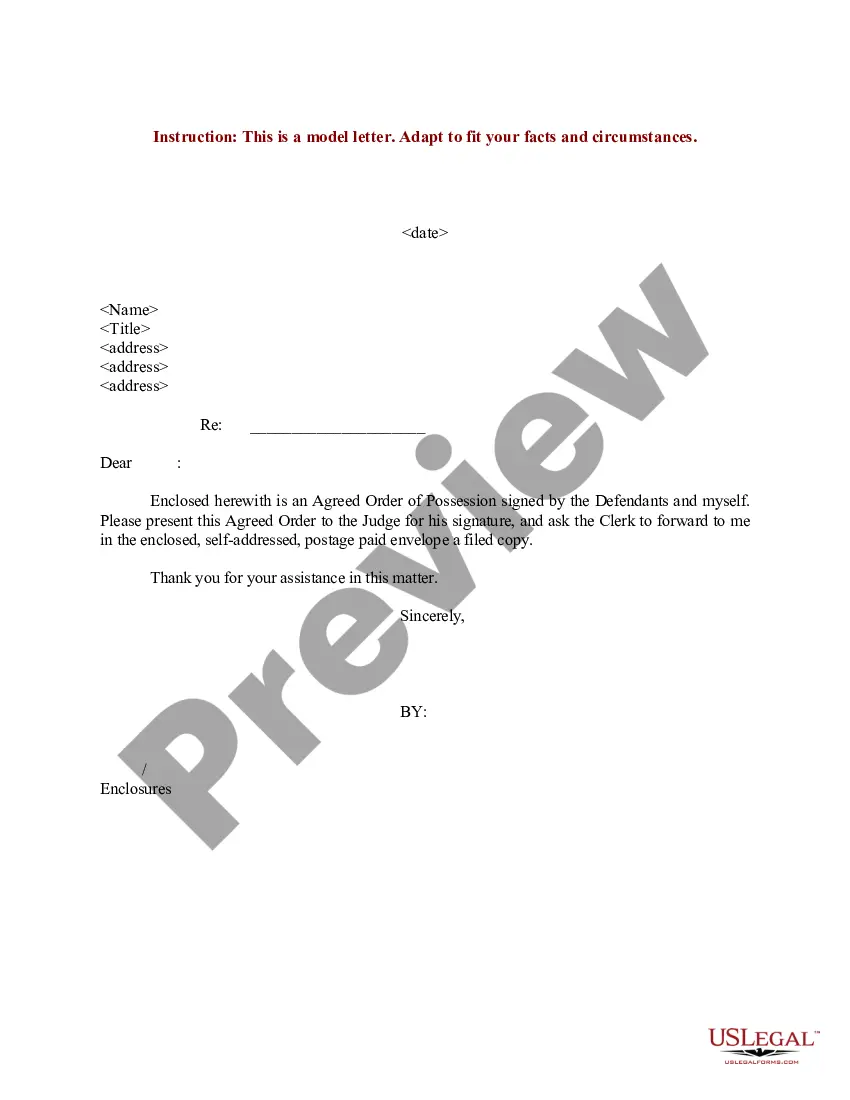
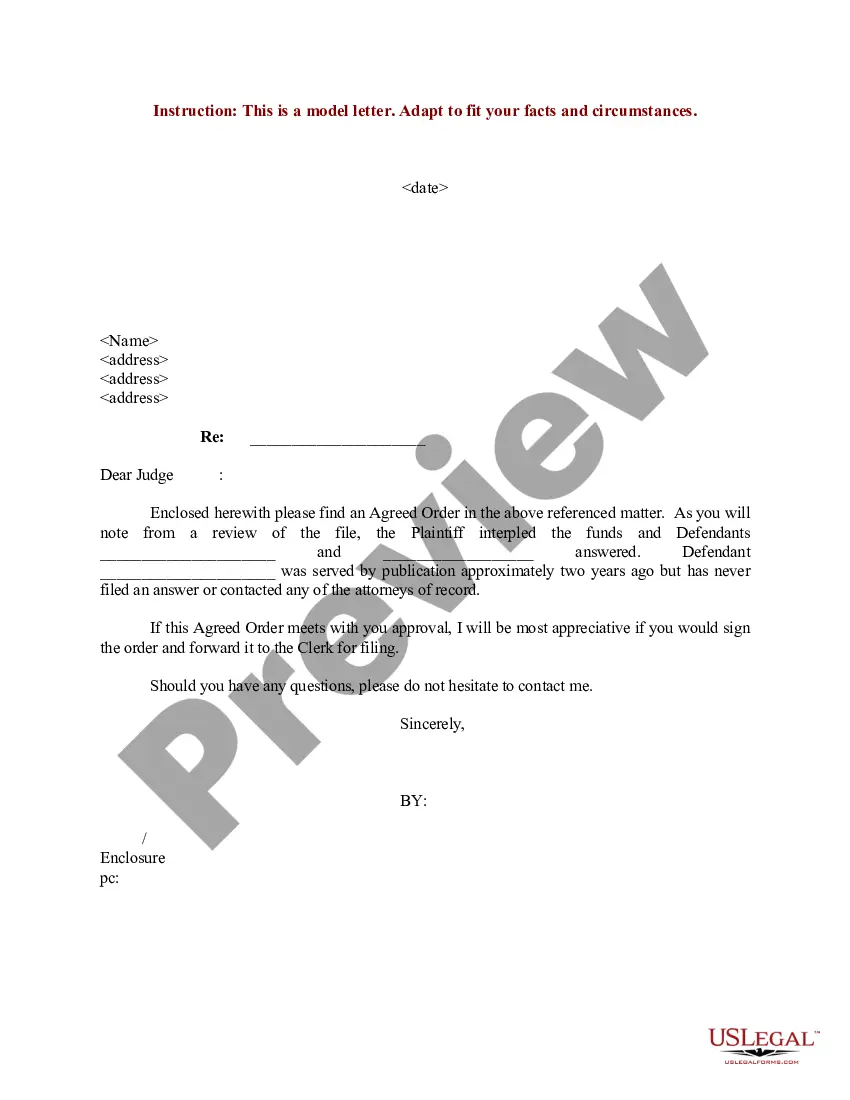
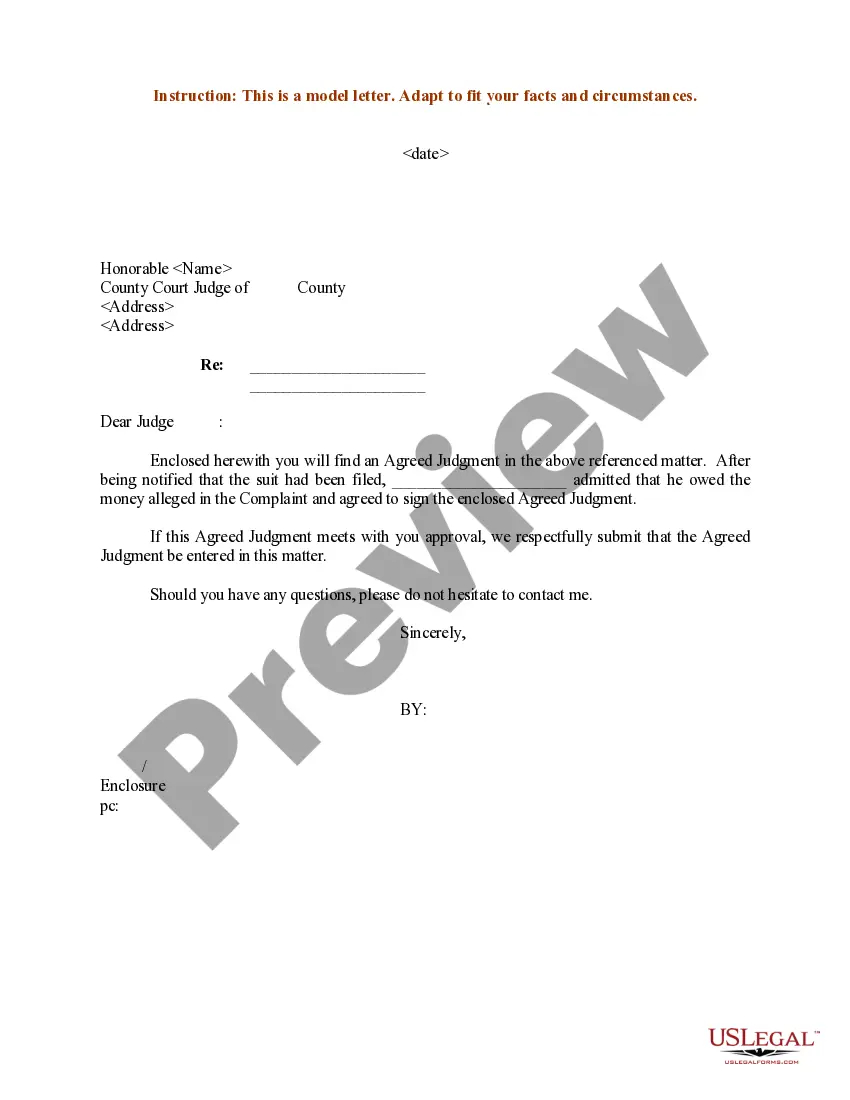
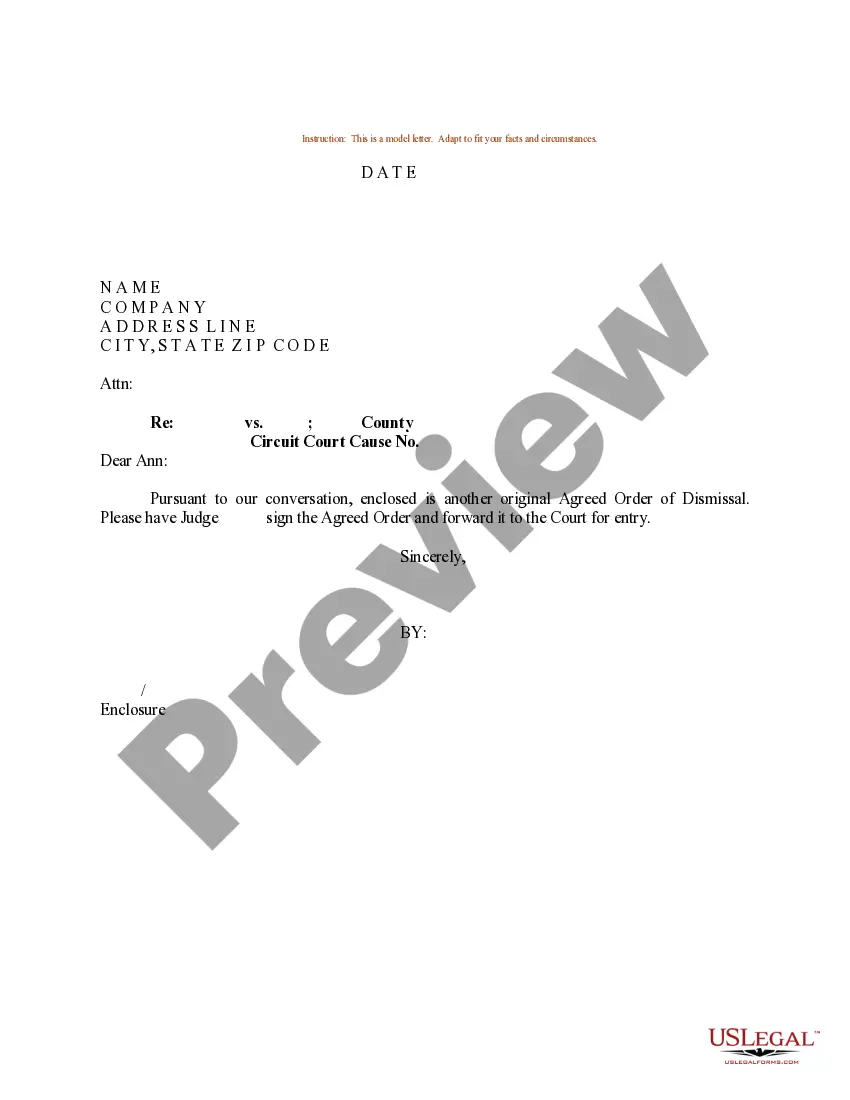
Letter To Court Template For Court
Description
Get your form ready online
Our built-in tools help you complete, sign, share, and store your documents in one place.
Make edits, fill in missing information, and update formatting in US Legal Forms—just like you would in MS Word.
Download a copy, print it, send it by email, or mail it via USPS—whatever works best for your next step.
Sign and collect signatures with our SignNow integration. Send to multiple recipients, set reminders, and more. Go Premium to unlock E-Sign.
If this form requires notarization, complete it online through a secure video call—no need to meet a notary in person or wait for an appointment.
We protect your documents and personal data by following strict security and privacy standards.

Make edits, fill in missing information, and update formatting in US Legal Forms—just like you would in MS Word.

Download a copy, print it, send it by email, or mail it via USPS—whatever works best for your next step.

Sign and collect signatures with our SignNow integration. Send to multiple recipients, set reminders, and more. Go Premium to unlock E-Sign.

If this form requires notarization, complete it online through a secure video call—no need to meet a notary in person or wait for an appointment.

We protect your documents and personal data by following strict security and privacy standards.
Looking for another form?
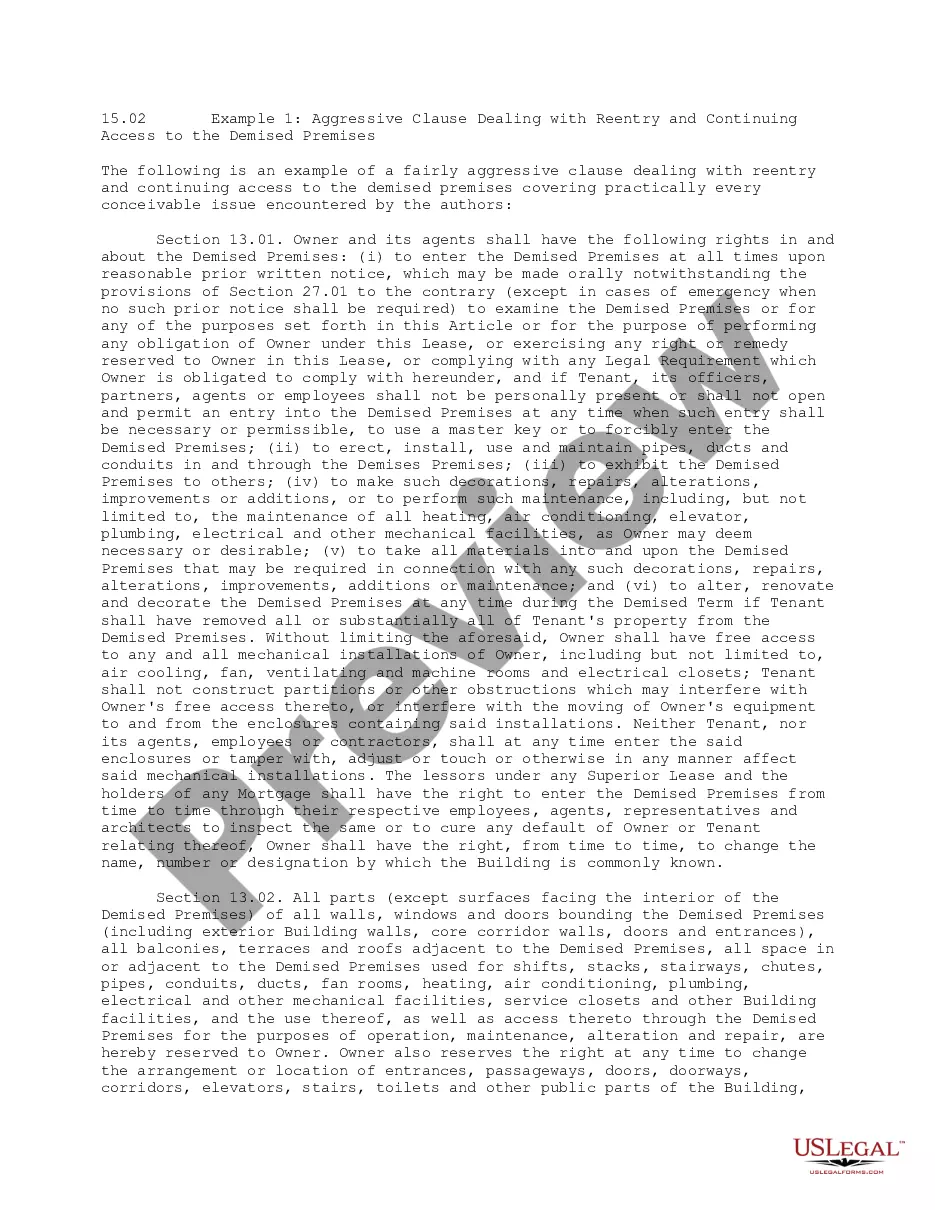
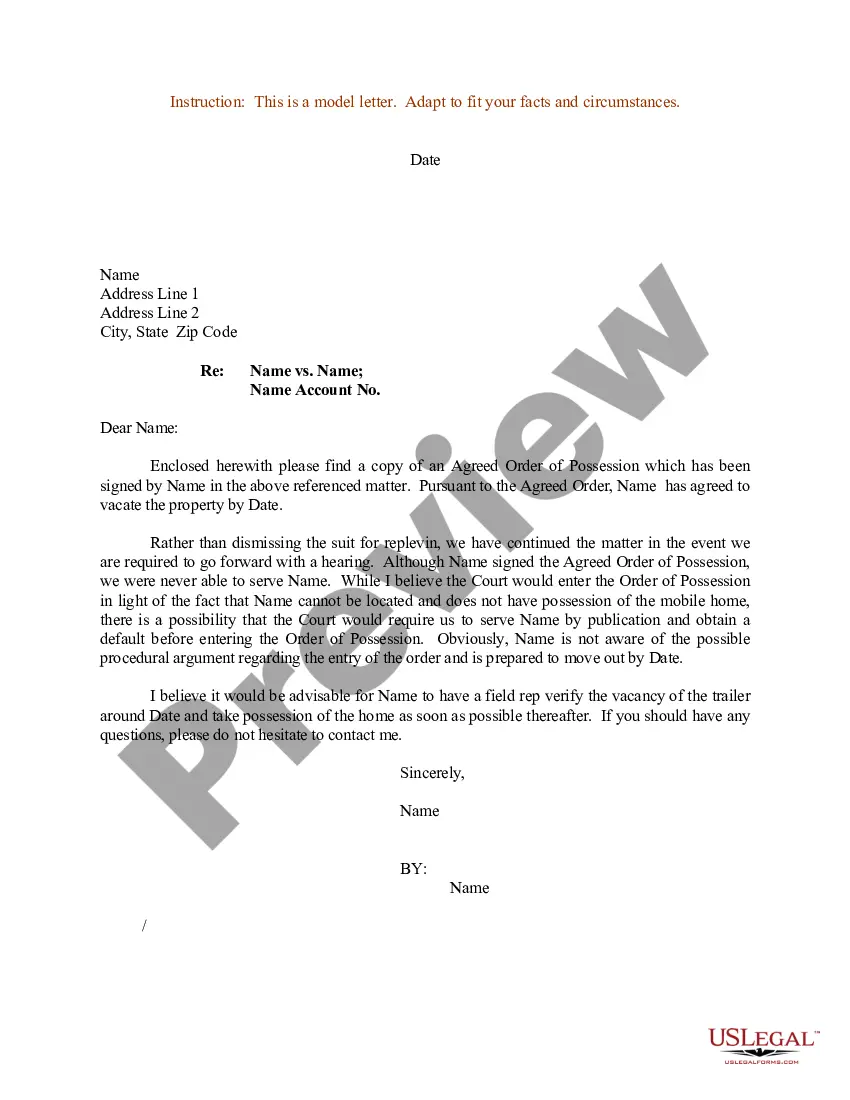
How to fill out Sample Letter To Court Administrator Transmitting Agreed Order Of Possession?
Legal management can be daunting, even for the most adept practitioners.
When you are in search of a Court Letter Template and lack the time to find the appropriate and current version, the process can be stressful.
Access legal and organizational forms specific to your state or county.
US Legal Forms accommodates any requests you may have, ranging from personal to business documentation, in one location.
If this is your first experience with US Legal Forms, create an account to enjoy unrestricted access to all library features.
- Utilize advanced tools to complete and manage your Court Letter Template.
- Access a valuable resource hub of articles, guides, and materials relevant to your situation and needs.
- Save time and effort searching for the paperwork you require, and take advantage of US Legal Forms' sophisticated search and Preview tool to locate the Court Letter Template efficiently.
- If you have a membership, Log In to your US Legal Forms account, search for the form, and retrieve it.
- Visit the My documents tab to review the documents you've previously saved and organize your folders as desired.
- An extensive web form library can revolutionize the way individuals handle these situations efficiently.
- US Legal Forms is an industry leader in online legal documents, with over 85,000 state-specific legal forms accessible whenever needed.
- With US Legal Forms, you can.
Form popularity
FAQ
§ 42-10. Tenant not liable for accidental damage. A tenant for life, or years, or for a less term, shall not be liable for damage occurring on the demised premises accidentally, and notwithstanding reasonable diligence on his part, unless he so contract.
If the lease term is week-to-week, landlords cannot charge more than two weeks' rent. However, in the cases of month-to-month rental agreements, they cannot charge more than one and one-half month's rent. They cannot charge more than two months' rent for terms greater than month-to-month.
Can a Landlord Enter Property without Permission in North Carolina? North Carolina landlord tenant laws do not require landlords to give tenants notice before entering the property. However, standard practice is to provide at least 24 hours of notice.
Tenants who want to end their lease agreement in North Carolina should first review their document and look for language that outlines what they can do if they want to end their tenancy early. Typically, tenants may be able to break their lease agreement in North Carolina by paying a fee.
In other words, a landlord is either disrupting their right to quiet enjoyment or hostilely forcing the tenant to take some action. This could include vacating the property or not filing a complaint that they have a legal right to.
In North Carolina the eviction process is called SUMMARY EJECTMENT. The first step is to notify the tenant that he or she must move out by a specific date. This is known as the "notice to vacate". The notice may be oral or written.
When the landlord fails to make necessary repairs, North Carolina law allows a tenant to seek money damages. This remedy is called "rent abatement".
North Carolina law says that your landlord must keep your housing fit and safe. It also says that you, the tenant, must pay your rent, keep your home clean, and not damage your home.