Court Letter Sample With Thru In Kings
Description



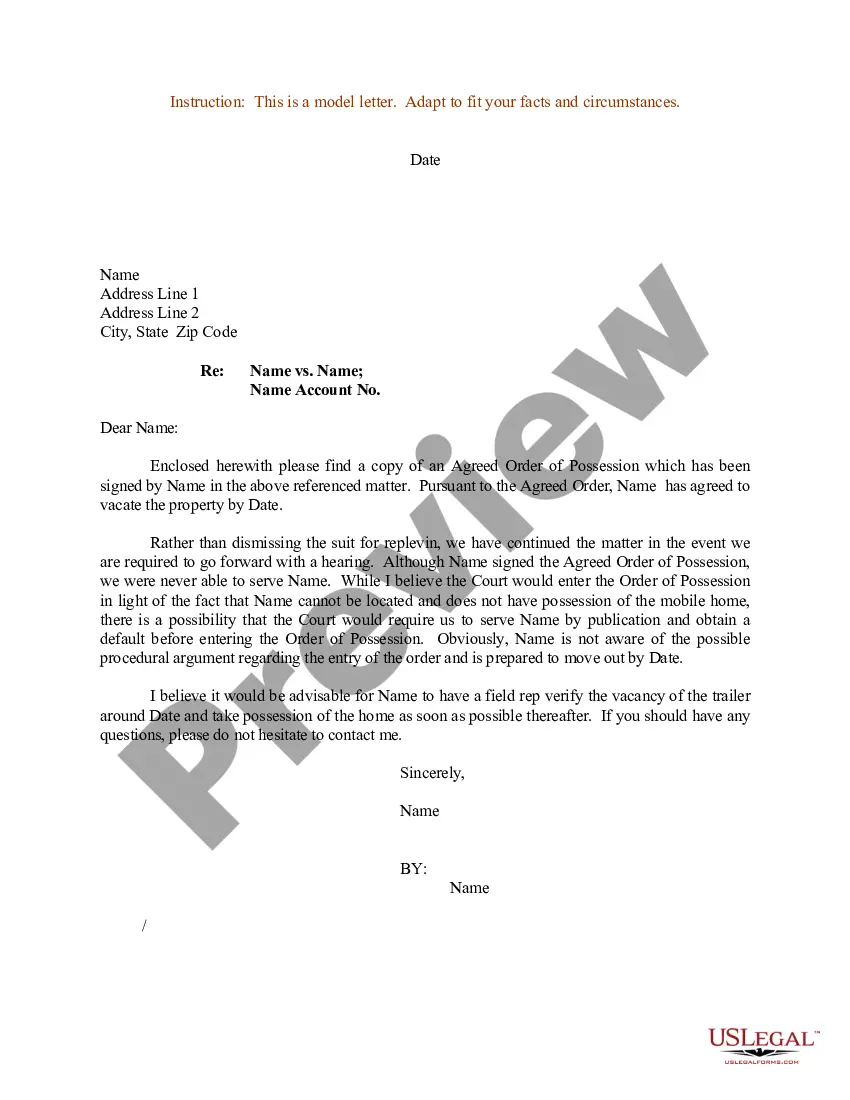
Get your form ready online
Our built-in tools help you complete, sign, share, and store your documents in one place.
Make edits, fill in missing information, and update formatting in US Legal Forms—just like you would in MS Word.
Download a copy, print it, send it by email, or mail it via USPS—whatever works best for your next step.
Sign and collect signatures with our SignNow integration. Send to multiple recipients, set reminders, and more. Go Premium to unlock E-Sign.
If this form requires notarization, complete it online through a secure video call—no need to meet a notary in person or wait for an appointment.
We protect your documents and personal data by following strict security and privacy standards.

Make edits, fill in missing information, and update formatting in US Legal Forms—just like you would in MS Word.

Download a copy, print it, send it by email, or mail it via USPS—whatever works best for your next step.

Sign and collect signatures with our SignNow integration. Send to multiple recipients, set reminders, and more. Go Premium to unlock E-Sign.

If this form requires notarization, complete it online through a secure video call—no need to meet a notary in person or wait for an appointment.

We protect your documents and personal data by following strict security and privacy standards.
Looking for another form?
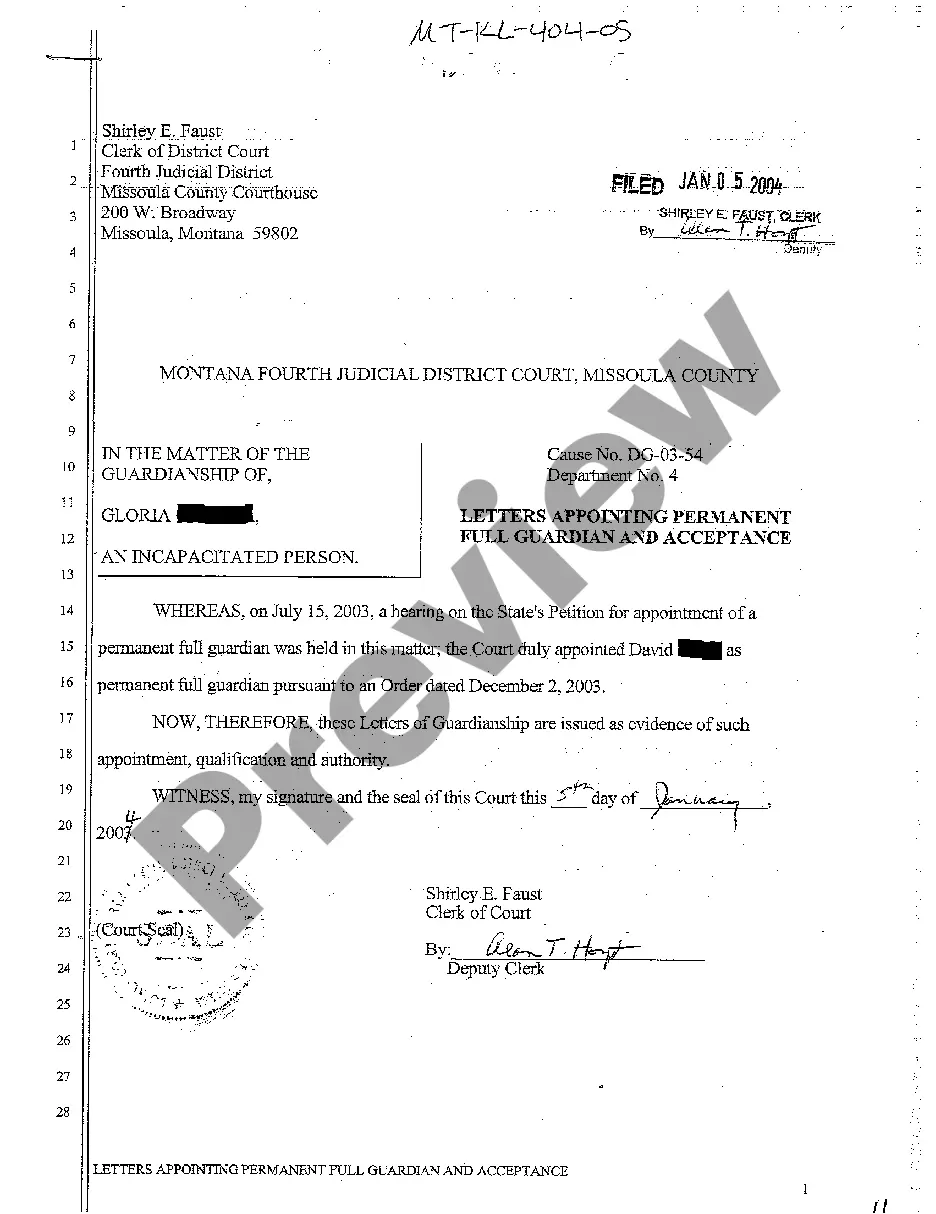
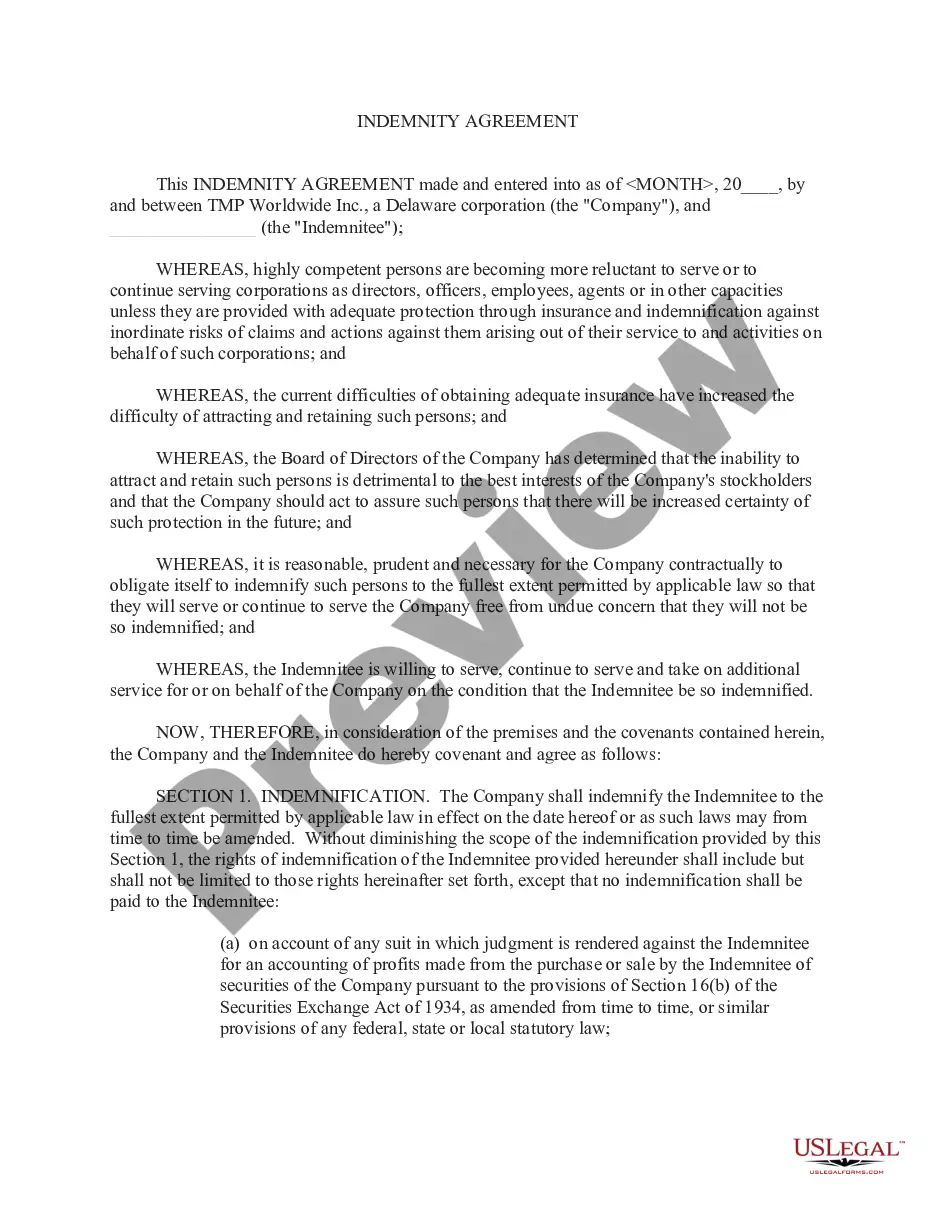
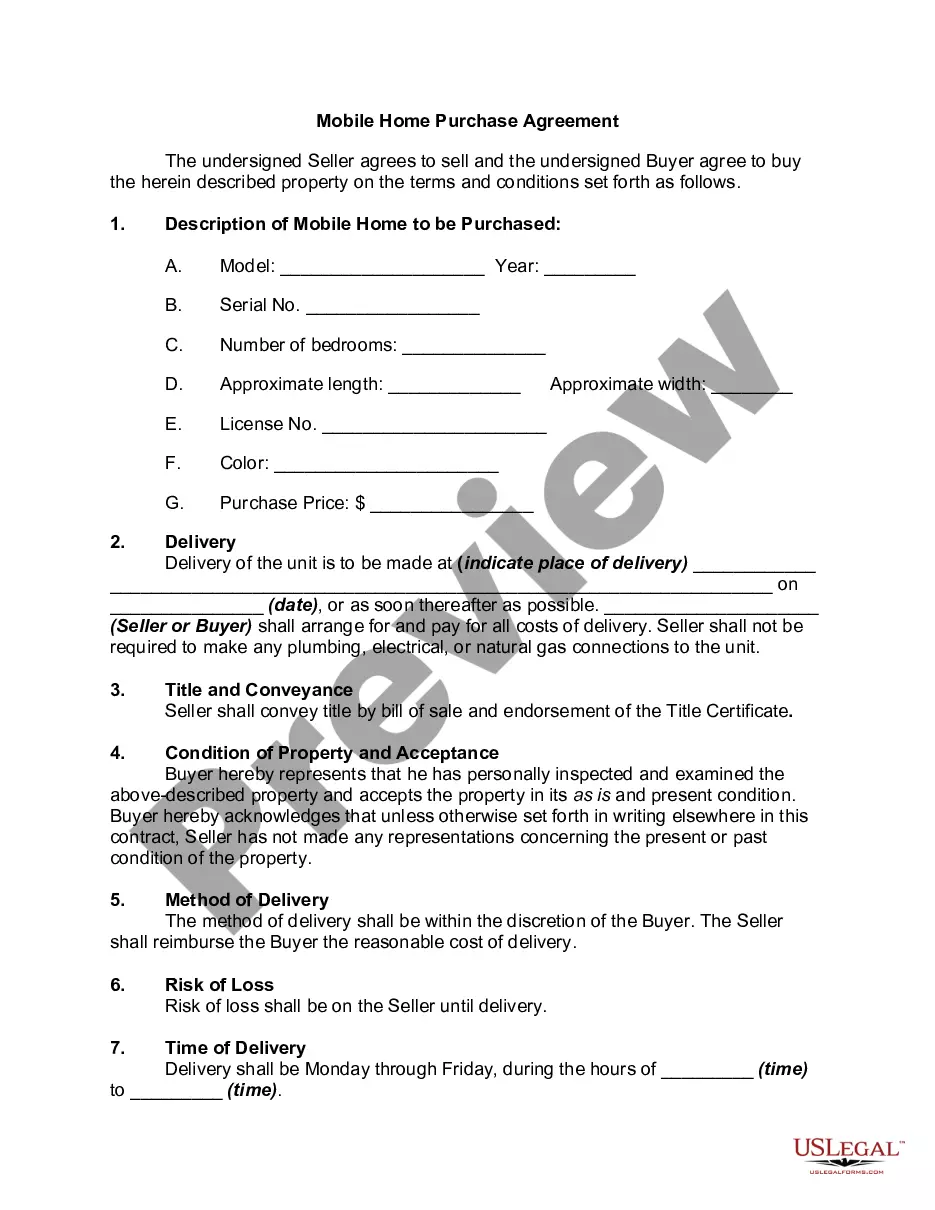

Form popularity
FAQ
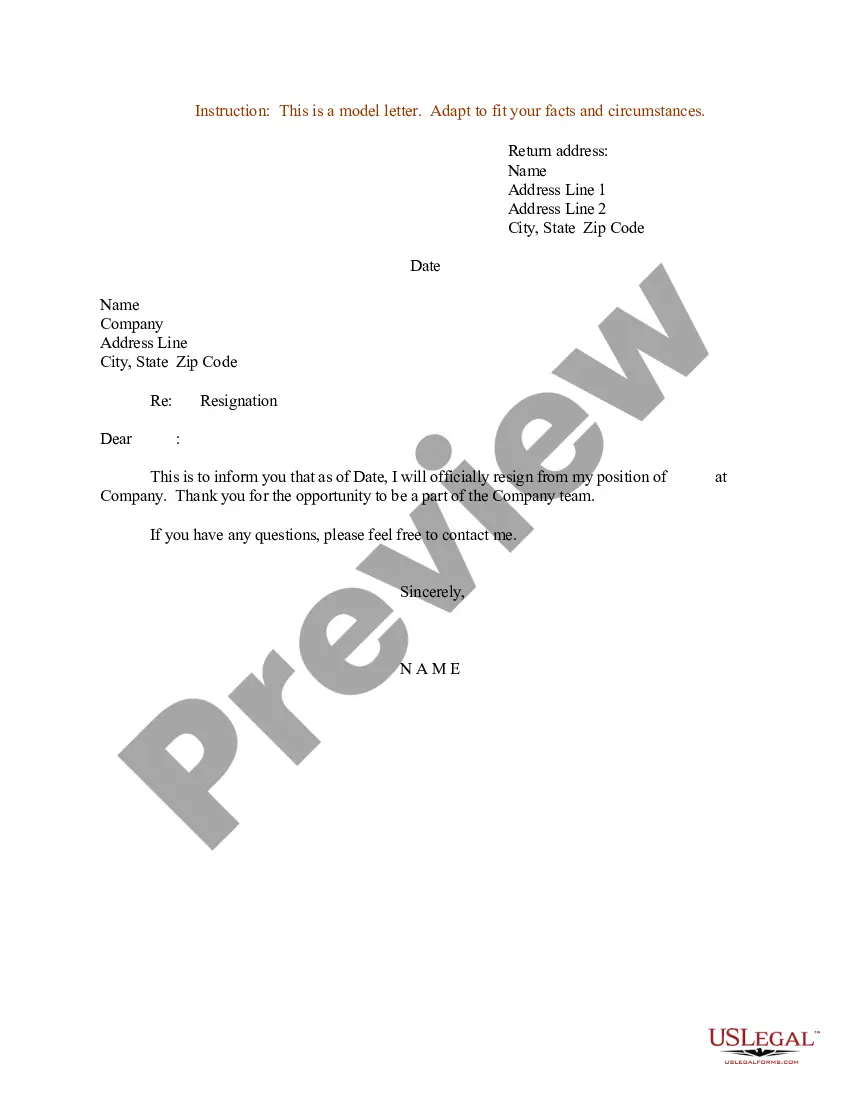
Introduce yourself in the opening paragraph. Outline your relationship with the person who is the subject of the legal proceedings. Acknowledge the charges that have been brought against the person. State your opinion of the person's general character.
Sample Format for a Character Letter First Paragraph: Explain who you are. Second Paragraph: Explain why you are writing the letter. Third Paragraph: Thank the court, and make your “ask.” State that you are available to confirm the facts in this letter as necessary.
Sample Format for a Character Letter First Paragraph: Explain who you are. Second Paragraph: Explain why you are writing the letter. Third Paragraph: Thank the court, and make your “ask.” State that you are available to confirm the facts in this letter as necessary.
On a separate page or pages, write a short and plain statement of the answer to the allegations in the complaint. Number the paragraphs. The answer should correspond to each paragraph in the complaint, with paragraph 1 of the answer corresponding to paragraph 1 of the complaint, etc.
Yes, a well-crafted character letter can influence the judge's perception of the individual and may impact sentencing decisions. It provides a personal perspective that can complement the legal aspects of the case.
Follow the order of this format, leaving a space in between each section: Your Information (first thing that goes on the inside of the letter) Name. The Date. The Judge's Information. Honorable Judge First Name Last Name. What the Letter Is Going to Address. Salutation. Body. Signature.
What should be included in a character letter? Every word needs to be true. Include a description of how you know the person in question and how long you've known them. Talk about any positive traits you've seen this person demonstrate, and include (true) anecdotes that demonstrate these qualities.
Type the Name and Address of the Judge or Court Staff On the next line below the name, include the name of the court in which the judge presides, such as "San Francisco Superior Court" or "United States Court of Appeals, Ninth Circuit." Directly under the name, include the judge's address, city, state and ZIP code.
A "Proof of Service" is a one-page document that must be attached at the back of every document filed in bankruptcy court, whether the document was filed on a docket in a bankruptcy case or in an adversary proceeding. The "Proof of Service" document is a mandatory form.
The proof of service must be signed by the process server under penalty of perjury, affirming the accuracy and truthfulness of the statements therein. And the affidavit is signed by the process server in front of a notary who puts them under oath that their statements therein are accurate and truthful.
