Court Letter Sample With Conforme In Hillsborough
Description



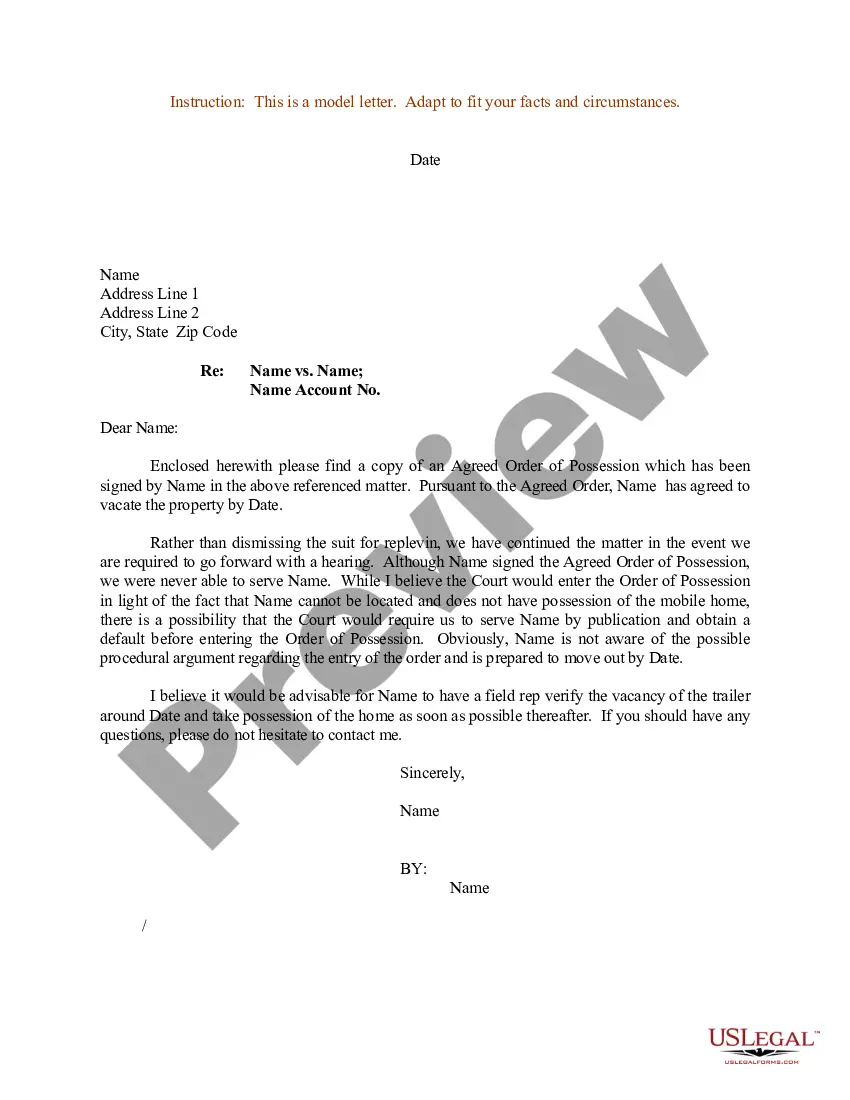
Get your form ready online
Our built-in tools help you complete, sign, share, and store your documents in one place.
Make edits, fill in missing information, and update formatting in US Legal Forms—just like you would in MS Word.
Download a copy, print it, send it by email, or mail it via USPS—whatever works best for your next step.
Sign and collect signatures with our SignNow integration. Send to multiple recipients, set reminders, and more. Go Premium to unlock E-Sign.
If this form requires notarization, complete it online through a secure video call—no need to meet a notary in person or wait for an appointment.
We protect your documents and personal data by following strict security and privacy standards.

Make edits, fill in missing information, and update formatting in US Legal Forms—just like you would in MS Word.

Download a copy, print it, send it by email, or mail it via USPS—whatever works best for your next step.

Sign and collect signatures with our SignNow integration. Send to multiple recipients, set reminders, and more. Go Premium to unlock E-Sign.

If this form requires notarization, complete it online through a secure video call—no need to meet a notary in person or wait for an appointment.

We protect your documents and personal data by following strict security and privacy standards.
Looking for another form?






Form popularity
FAQ
How To Start Your Letter. Your letter should start with “Dear Judge (last name of the judge assigned to the case)” but you should mail, email or fax your letter to the defendant's attorney. You should not send your letter directly to the judge. It must be provided to the judge by the attorney.
Your letter can be typed or neatly handwritten. You should date and sign your letter. You don't need to write formal words to the Court, just make sure everything in your letter is genuine. It is usually a good idea to keep your letter to a page in length, and no more than two pages.
Write the judge a letter as soon as you know you're not able to attend court. Explain the reasons why you have to miss your court date, and provide any documentation for proof, like a note from your doctor or work supervisor.
Follow this guide to write a compelling and respectful letter. Start With Proper Salutation. Introduce Yourself and Your Relationship With the Defendant. Discuss the Defendant's Character Positively. Include Specific Examples and Anecdotes. Conclude With a Summary of Your Recommendations.
By Florida law, the Clerk of Courts in each county is the official custodian of court records. Click here to access the Clerk's Online Services, including official records, civil/family/probate cases, criminal cases and traffic cases, or you may call the Clerk's 24-hour voice response system at (305) 275-1155.
Be polite and professional start your letter with a formal salutation. Such as dear clerk of courtsMoreBe polite and professional start your letter with a formal salutation. Such as dear clerk of courts or Dear Mr Ms Clerk's. Last name maintain a respectful tone throughout the letter 6.
Where to send Notice of Commencement. Upload your Notice of Commencement to your application on the HillsGovHub portal. Contact. For further information about Notice of Commencement, call Development Services at (813) 272-5600.
Identifying a lien If not known, verify owner of record by searching the owner name, address, or folio number of the property on the Property Appraiser's website. Check the property address for liens. Verify and obtain the lien information in the Clerk of Circuit Court Records.
Recorder Offices Clerk of the Circuit Court. 419 Pierce St, Rm 140 / PO Box 3249, Tampa, Florida 33602 / 33601-3249. Brandon Office - Regional Service Center. 311 Pauls Dr, Brandon, Florida 33511. South Shore Office - Regional Service Center. 410 30th St SE, Ruskin, Florida 33570. Plant City Office.
You can find detailed information on a parcel of property, including who owns it, the assessed and market value, and some tax information through the Hillsborough County Property Appraiser's website.

