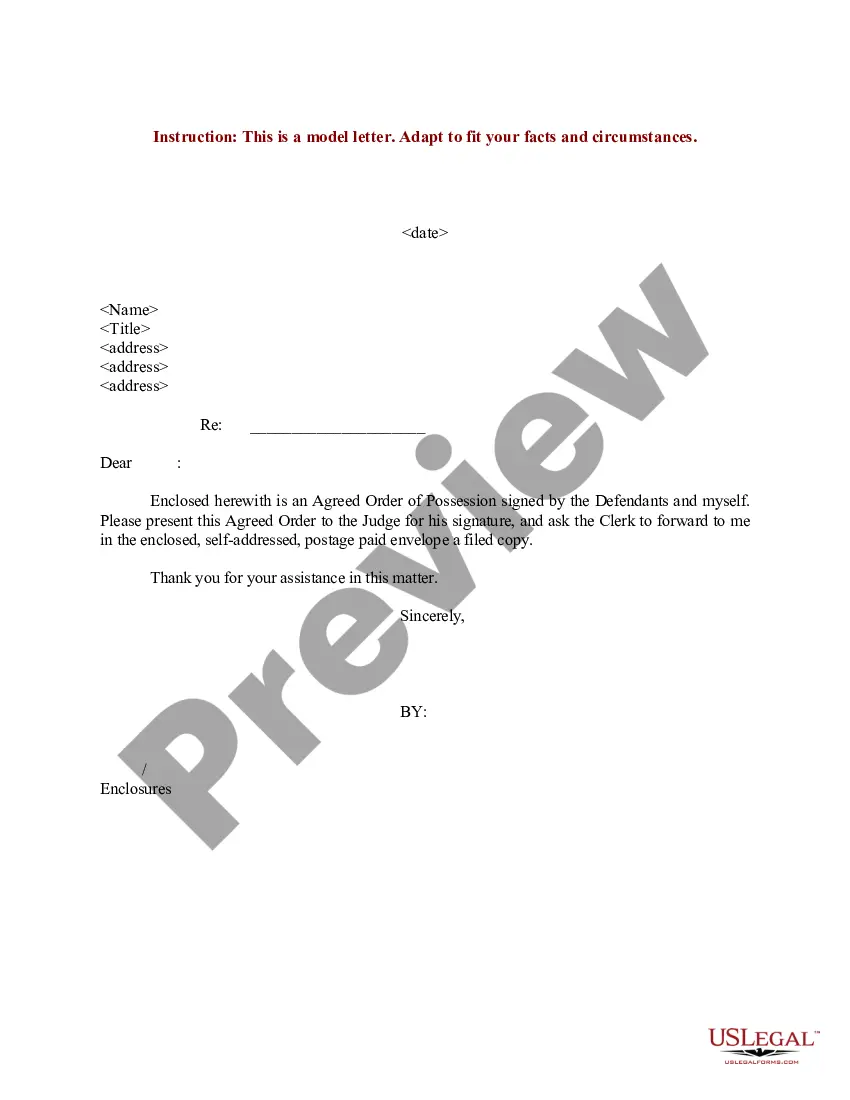
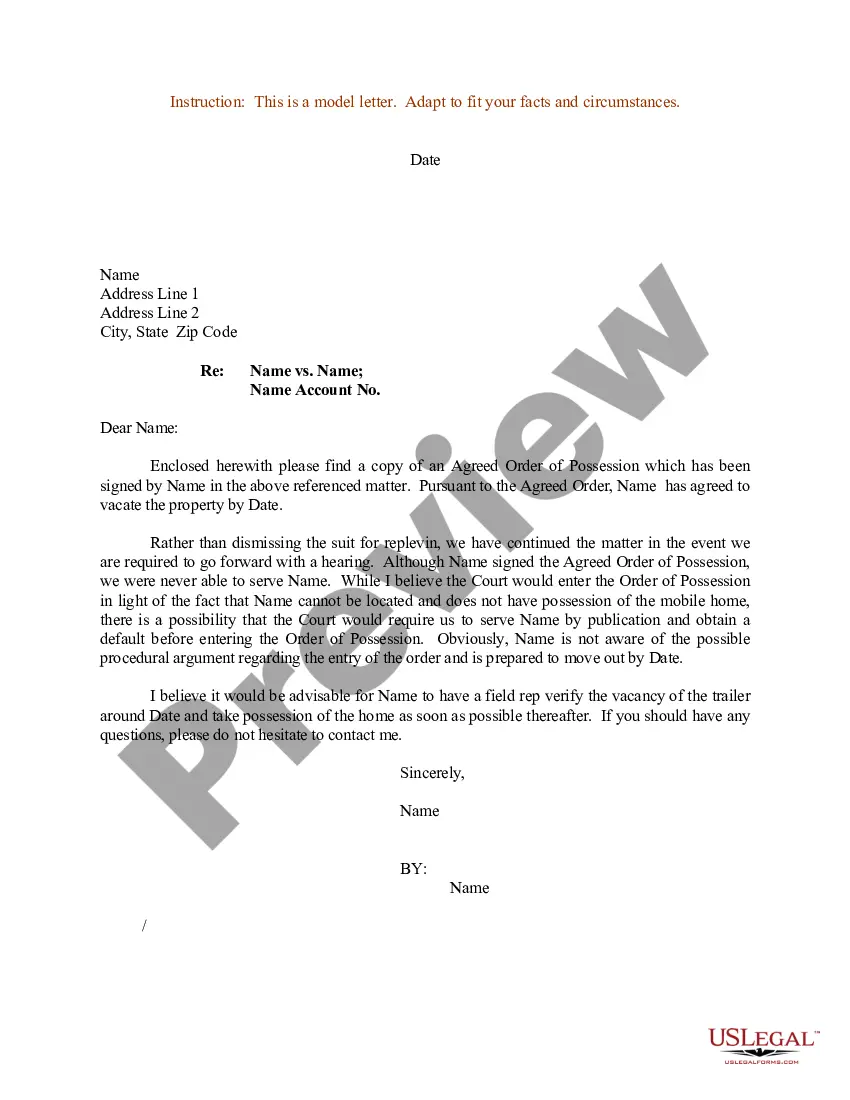
Court Letter Template With Subject Line In Hennepin
Description
Get your form ready online
Our built-in tools help you complete, sign, share, and store your documents in one place.
Make edits, fill in missing information, and update formatting in US Legal Forms—just like you would in MS Word.
Download a copy, print it, send it by email, or mail it via USPS—whatever works best for your next step.
Sign and collect signatures with our SignNow integration. Send to multiple recipients, set reminders, and more. Go Premium to unlock E-Sign.
If this form requires notarization, complete it online through a secure video call—no need to meet a notary in person or wait for an appointment.
We protect your documents and personal data by following strict security and privacy standards.

Make edits, fill in missing information, and update formatting in US Legal Forms—just like you would in MS Word.

Download a copy, print it, send it by email, or mail it via USPS—whatever works best for your next step.

Sign and collect signatures with our SignNow integration. Send to multiple recipients, set reminders, and more. Go Premium to unlock E-Sign.

If this form requires notarization, complete it online through a secure video call—no need to meet a notary in person or wait for an appointment.

We protect your documents and personal data by following strict security and privacy standards.
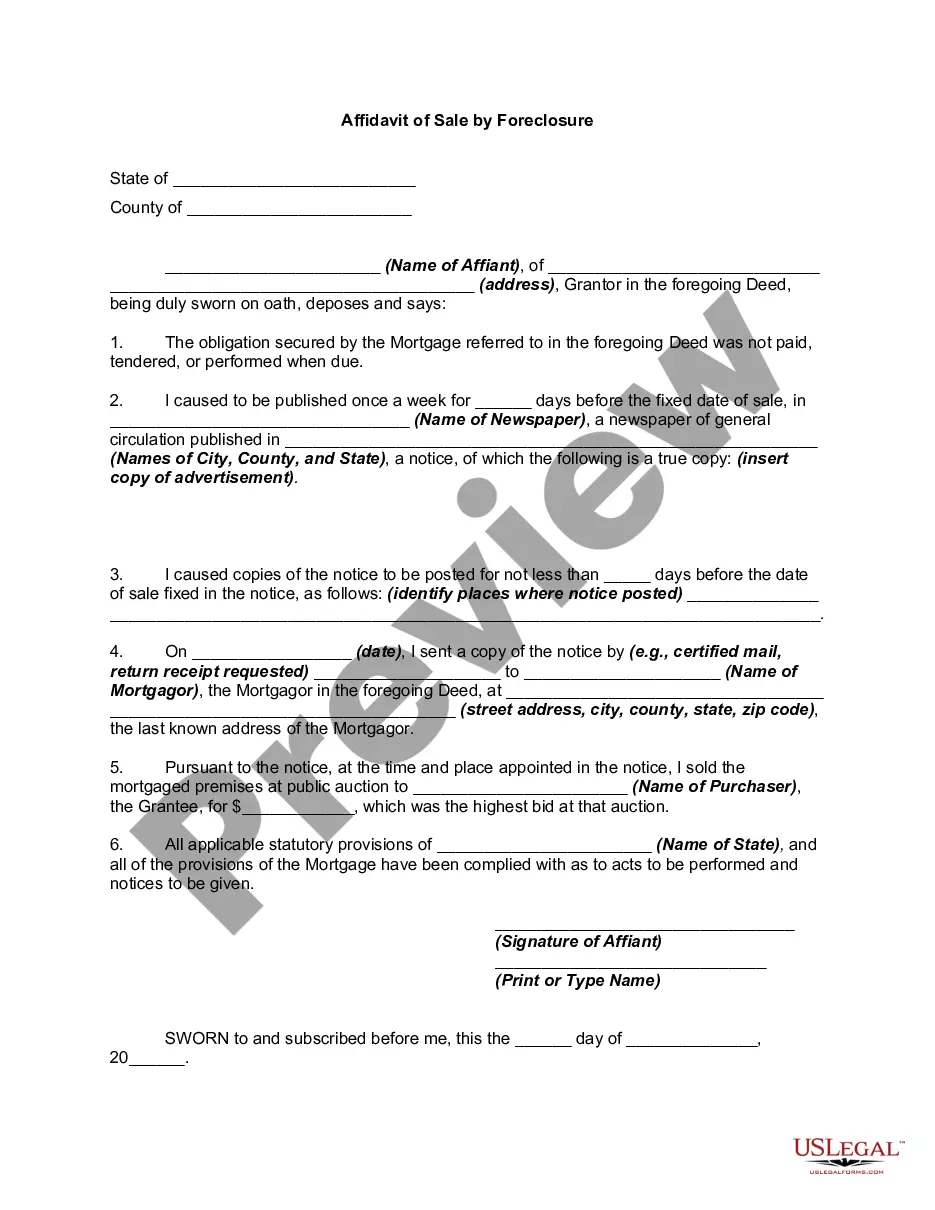
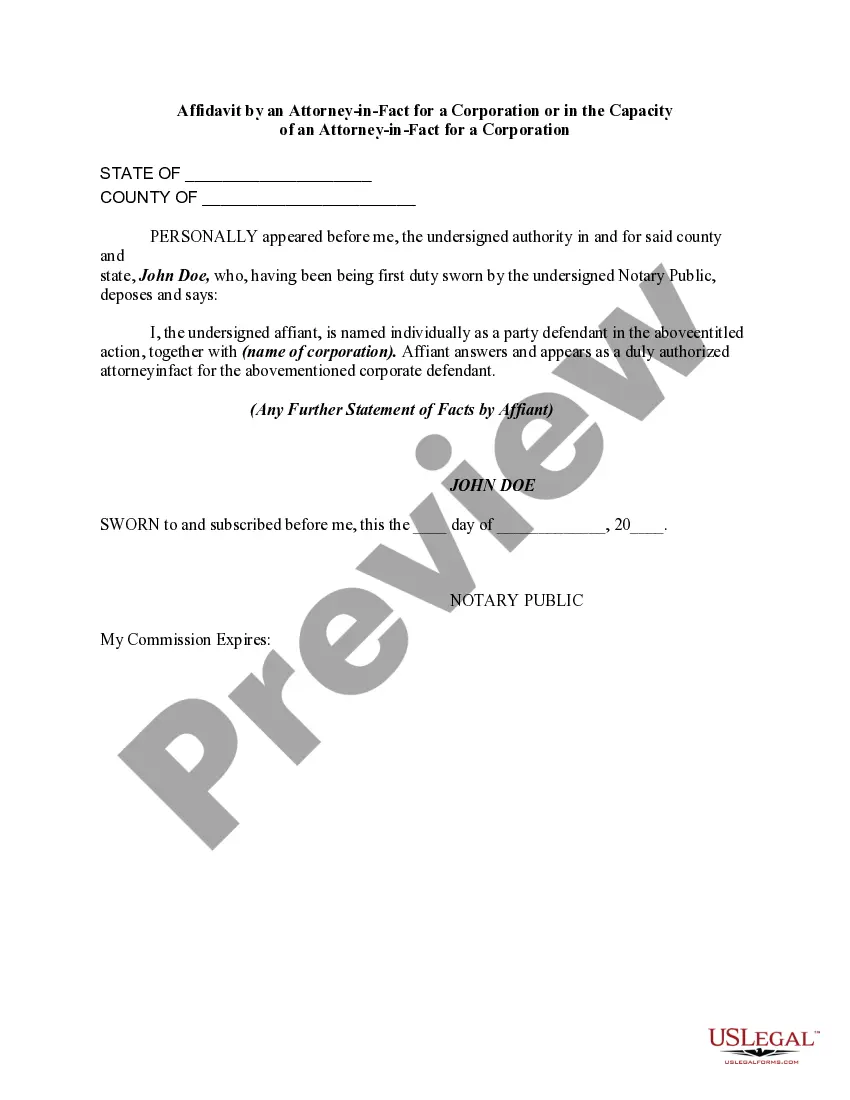
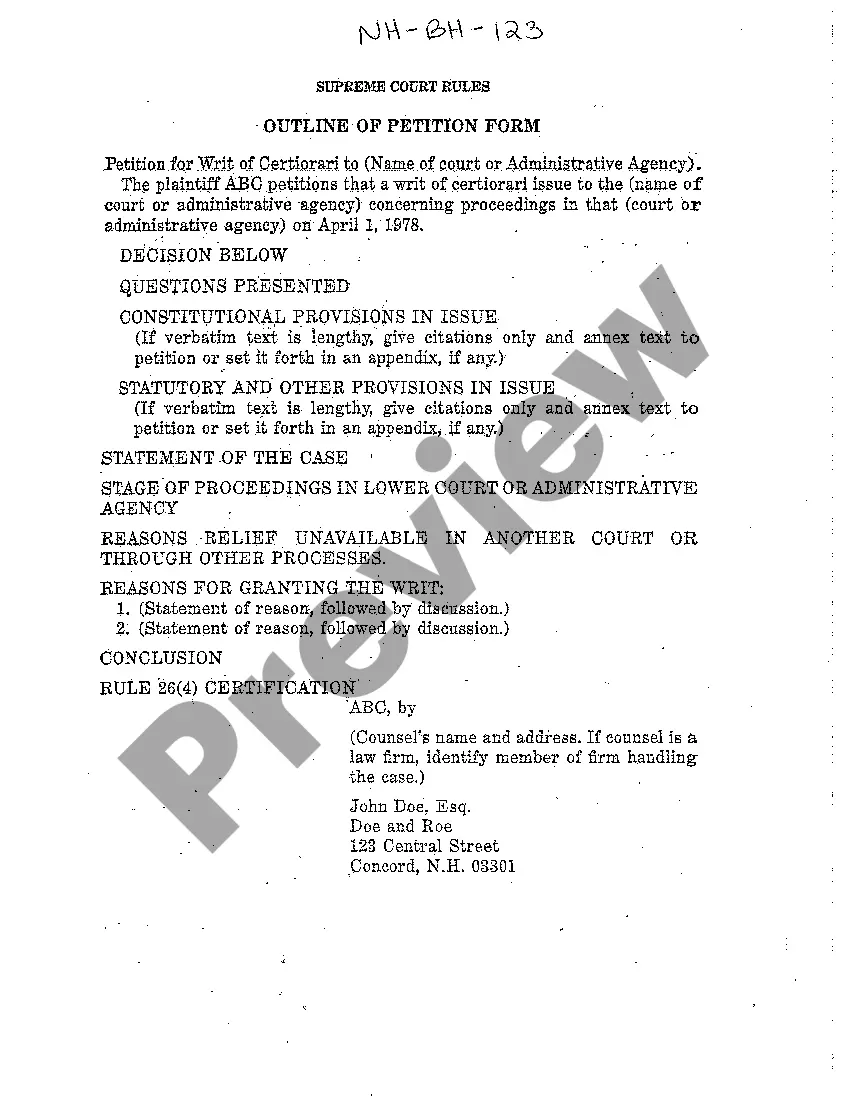
Looking for another form?
Form popularity
FAQ
The letter of support should emphasize the writer's personal connection to the project and highlight the project's importance and potential benefits. The letter should be persuasive, clearly written, and provide examples of how the project can make a difference in people's lives.
Writing Your Letter Search for a form letter. Some courts print off forms that you can use to request a hearing. Open a word processing document. Insert a salutation. Add a heading. Begin the letter with your request. Explain why you need the hearing. Provide a contact number. Sign the letter.
Introduce yourself to the Court. Explain how you know (and how long you have known) the defendant. Make it personal when describing the defendant's characteristics. Can you think of examples of good deeds done by the defendant (hard work, dedication to family/church/community, generosity, etc).
An effective court statement should include personal identification, detailed case information, relevant facts, supporting evidence, and maintain objectivity to ensure credibility and focus.
Format of the letter: introduce yourself, state how long you've known the person and in what capacity. Choose 2 to 3 reasons why you support them and write a brief paragraph on each. Close with a sentence reiterating your support.
Format full mailing address of the sender. date on which letter is written. address of person to whom letter is addressed. subject line. salutation. body (the main message) complimentary closing. signature line (be sure to sign your letter)
While the content of the letter will change depending on your situation, there are a few important aspects to include: Provide all details the best you can, including correct dates and dollar amounts. Explain how and when all situations were resolved. Detail why problems won't happen again.
The subject line is entered either entirely in upper case or in boldface. It may begin flush with the left margin or be centred for emphasis. It is not used in personal correspondence, where the subject is usually referred to in the first paragraph.
Hello, I hope this letter finds you well. My name is INSERT NAME and I am with INSERT ORGANIZATION. I am writing because I need any and all written records pertaining to the case(s) and/or person(s) listed below. As well, please find enclosed a print out of the Judicial Case Search and/or CJIS document(s).
What are the parts of a formal letter? Header (date/address/return address) Date: When you write a formal letter, it's crucial to include the date on which you wrote it. Salutation. In a formal letter, the standard salutation is “Dear” followed by the recipient's title and last name. Body. Closing. Signature.