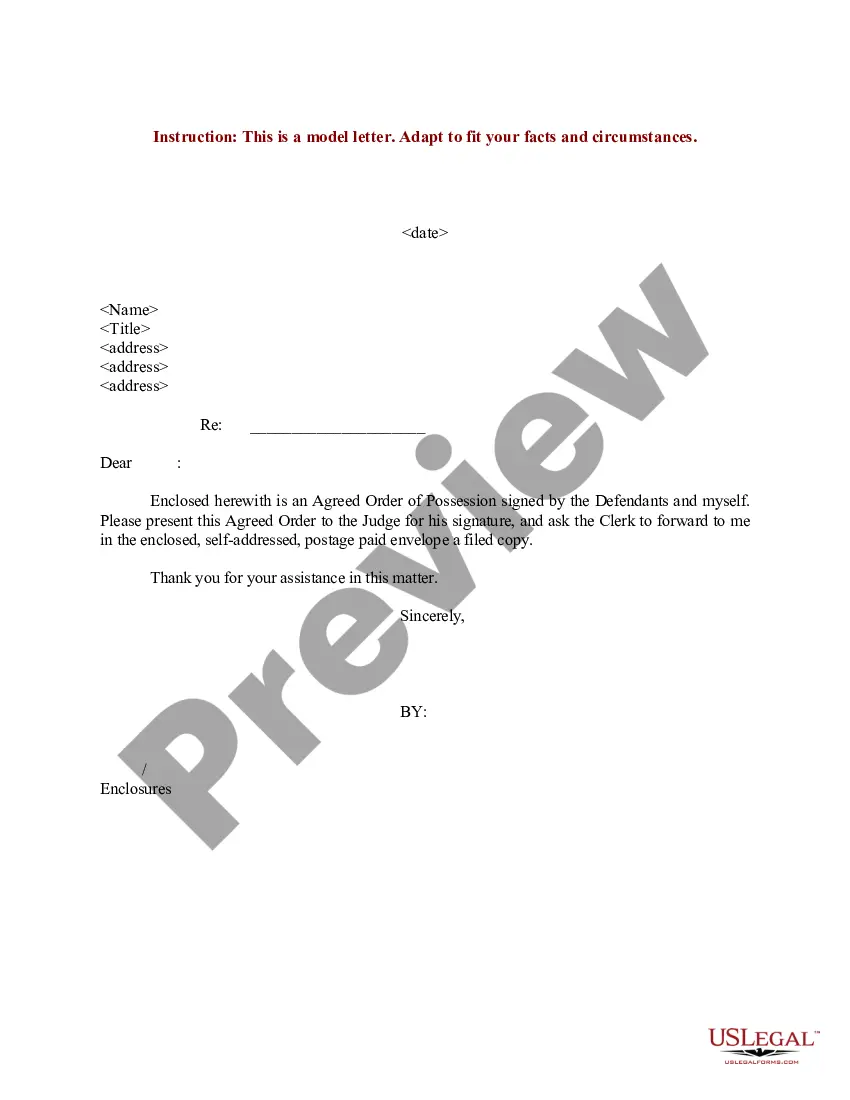
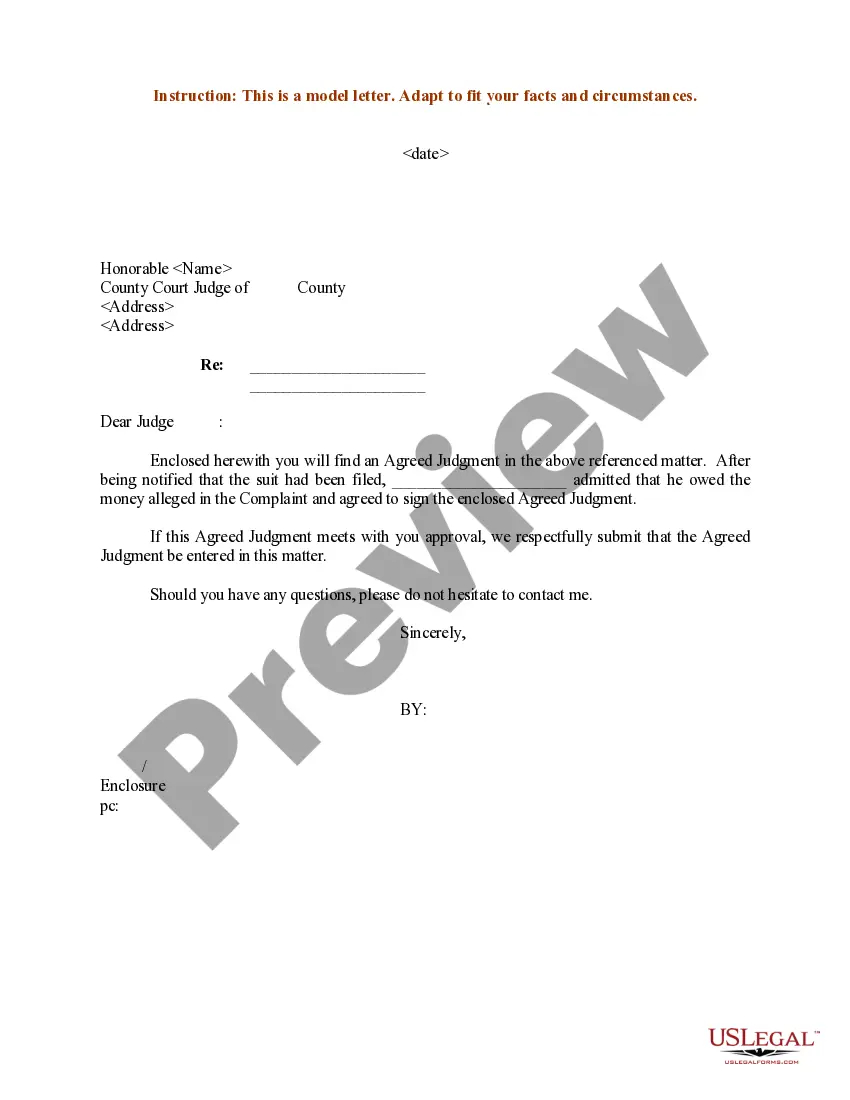
Letter To Court Template For Child Custody In Harris
Description


Get your form ready online
Our built-in tools help you complete, sign, share, and store your documents in one place.
Make edits, fill in missing information, and update formatting in US Legal Forms—just like you would in MS Word.
Download a copy, print it, send it by email, or mail it via USPS—whatever works best for your next step.
Sign and collect signatures with our SignNow integration. Send to multiple recipients, set reminders, and more. Go Premium to unlock E-Sign.
If this form requires notarization, complete it online through a secure video call—no need to meet a notary in person or wait for an appointment.
We protect your documents and personal data by following strict security and privacy standards.

Make edits, fill in missing information, and update formatting in US Legal Forms—just like you would in MS Word.

Download a copy, print it, send it by email, or mail it via USPS—whatever works best for your next step.

Sign and collect signatures with our SignNow integration. Send to multiple recipients, set reminders, and more. Go Premium to unlock E-Sign.

If this form requires notarization, complete it online through a secure video call—no need to meet a notary in person or wait for an appointment.

We protect your documents and personal data by following strict security and privacy standards.
Looking for another form?
Form popularity
FAQ
An affidavit of non-prosecution is a sworn, notarized statement from a victim requesting that charges against a defendant be dismissed. An affidavit of non-prosecution is a legal statement where the victim or witness of a crime formally declares they don't want to press charges against the accused.
An uncontested custody case could take only a couple of months or less. However, the process can take over a year if it's contested. Many fall between these two extremes, and most parents eventually settle with the help of a mediator. Sometimes there are good reasons to go to a trial on a custody matter.
To begin the custody process, you need to file a "Suit Affecting the Parent-Child Relationship" (SAPCR) with the court. This document initiates the legal process and outlines your requests regarding custody, visitation, and child support.
Child custody agreements can be made through informal negotiations that are conducted between parents and other parties through an Alternative Dispute Resolution (ADR). It's an emerging concept that covers a number of situations where disputes between parties can be resolved without going through a lengthy trial.
It is true that mothers typically HAVE custody of their children, but that's mostly because the men take off. Statistically, in the US, when a man asks for shared custody, he gets it, and in cases where men go to court to get full custody, they get it a majority of the time.
Five Key Pieces of Evidence You Need To Win In (Physical) Custody Litigation Fact Witnesses. Unfortunately, custody disputes are often contentious and emotional. Experts. Photos and Journals. Evidence of the Child's Wishes. School and Medical Records.
After addressing the offence, shift the focus to the person's positive qualities. Describe specific instances that showcase their kindness, work ethic, reliability, or commitment to family. Avoid vague statements and use concrete examples to give the judge a clearer picture of the person's character.
Mothers historically have won more custody battles due to traditional roles and perceptions of mothers as the primary caregivers.
Both parents have equal rights and responsibilities towards their children, and the courts reflect this in their decisions. Navigating child custody cases can be complex and emotionally challenging.
These are some mistakes you're going to want to be mindful to avoid. TALKING BADLY ABOUT THE OTHER PARENT TO THE CHILD. FAILING TO TAKE ON CHALLENGING TASKS. NOT COMMUNICATING WITH THE OTHER PARENT. TRYING TO MAKE YOUR CHILDREN FEEL SORRY FOR YOU. PREVENTING THE OTHER PARENT'S ACCESS TO THE CHILDREN.