Court Letter Sample For Request In Fulton
Description



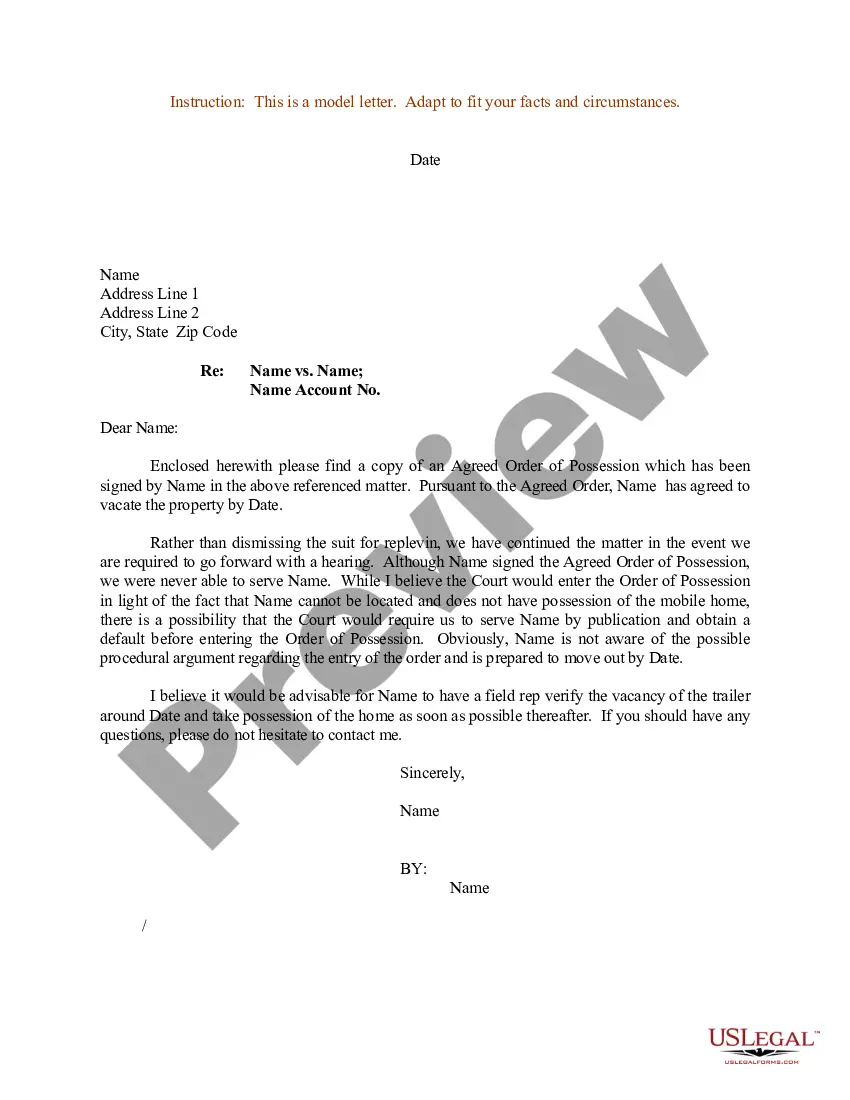
Get your form ready online
Our built-in tools help you complete, sign, share, and store your documents in one place.
Make edits, fill in missing information, and update formatting in US Legal Forms—just like you would in MS Word.
Download a copy, print it, send it by email, or mail it via USPS—whatever works best for your next step.
Sign and collect signatures with our SignNow integration. Send to multiple recipients, set reminders, and more. Go Premium to unlock E-Sign.
If this form requires notarization, complete it online through a secure video call—no need to meet a notary in person or wait for an appointment.
We protect your documents and personal data by following strict security and privacy standards.

Make edits, fill in missing information, and update formatting in US Legal Forms—just like you would in MS Word.

Download a copy, print it, send it by email, or mail it via USPS—whatever works best for your next step.

Sign and collect signatures with our SignNow integration. Send to multiple recipients, set reminders, and more. Go Premium to unlock E-Sign.

If this form requires notarization, complete it online through a secure video call—no need to meet a notary in person or wait for an appointment.

We protect your documents and personal data by following strict security and privacy standards.
Looking for another form?









Form popularity
FAQ
Please, do not send letters directly to the judge, prosecutor, or anyone else in the court system. Do not call or email those people. What you say to them may hurt the defendant, even if you think it will help.
Court letters can serve many purposes, including requesting information, providing evidence, or asking for consideration from the court. For example, you could write a court letter on behalf of a defendant to highlight their positive qualities prior to sentencing.
Letters from non-lawyers to judges are absolutely to be avoided. They are inappropriate and violate many rules regarding proper communication with judges. Some letters may be in violation of criminal law that prohibits improper efforts to influenc...
Remember that judges read hundreds of letters. The easier you make it for the judge to read, the most likely the judge will be able to focus on the message you are trying to convey. For most people, a typed letter is more legible than a handwritten one.
1. Use formal language: Address the judge as "Honorable Full Name". 2. Include proper titles: Use "Dear Judge Last Name" as the salutation.
Be polite and professional start your letter with a formal salutation. Such as dear clerk of courtsMoreBe polite and professional start your letter with a formal salutation. Such as dear clerk of courts or Dear Mr Ms Clerk's. Last name maintain a respectful tone throughout the letter 6.
Yes, a well-crafted character letter can influence the judge's perception of the individual and may impact sentencing decisions. It provides a personal perspective that can complement the legal aspects of the case.
A court letter, also known as a legal letter or court correspondence, refers to a written document used in legal proceedings. It's a type of formal communication addressed to court personnel, such as a judge, attorney, or another party involved in a legal case.
They should be addressed either to the Honorable FIRST NAME LAST NAME or Judge FIRST NAME LAST NAME.
Writing Your Letter Search for a form letter. Some courts print off forms that you can use to request a hearing. Open a word processing document. Insert a salutation. Add a heading. Begin the letter with your request. Explain why you need the hearing. Provide a contact number. Sign the letter.

