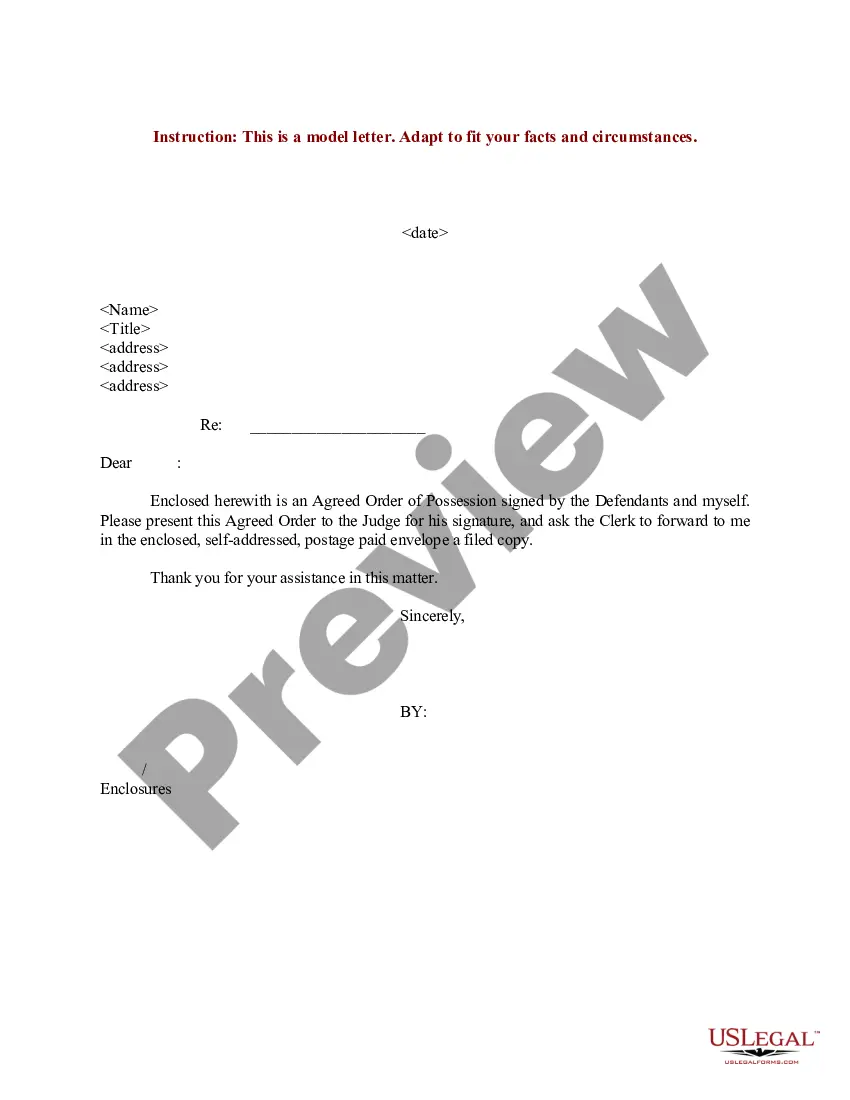
Letter To Court Template For Child Custody In Cook
Description
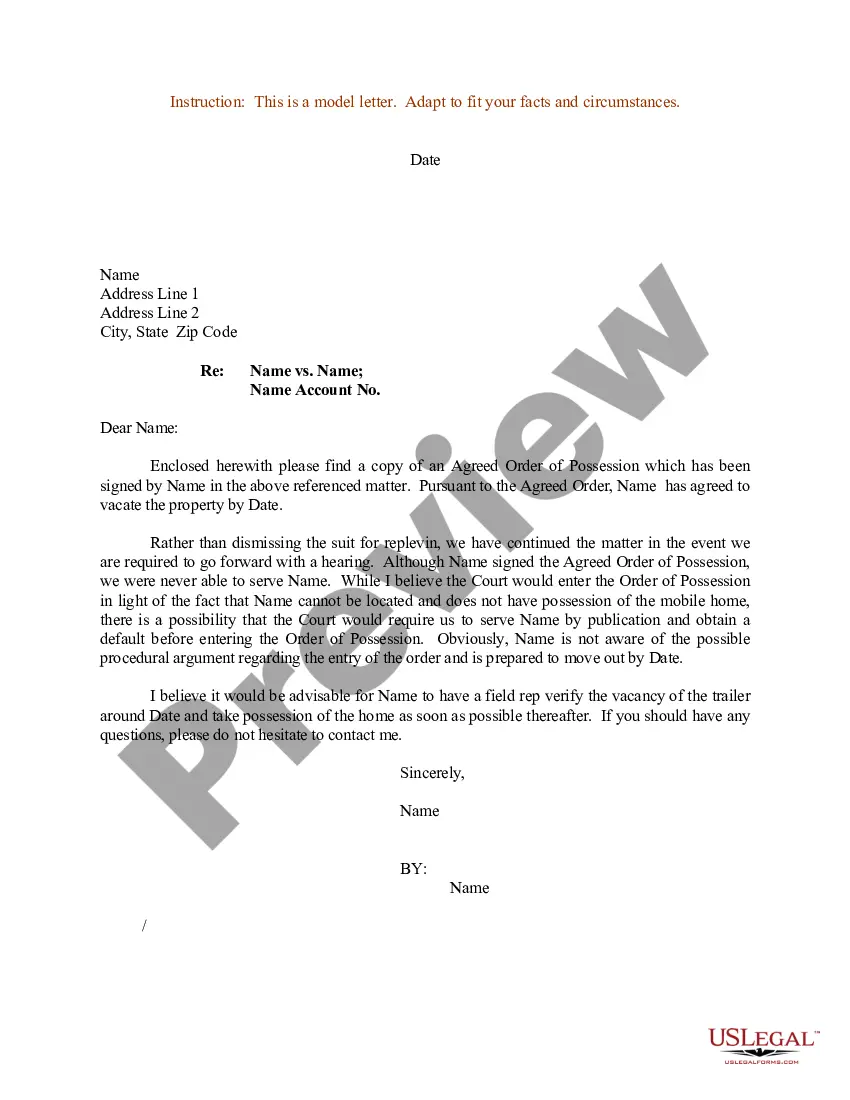
Get your form ready online
Our built-in tools help you complete, sign, share, and store your documents in one place.
Make edits, fill in missing information, and update formatting in US Legal Forms—just like you would in MS Word.
Download a copy, print it, send it by email, or mail it via USPS—whatever works best for your next step.
Sign and collect signatures with our SignNow integration. Send to multiple recipients, set reminders, and more. Go Premium to unlock E-Sign.
If this form requires notarization, complete it online through a secure video call—no need to meet a notary in person or wait for an appointment.
We protect your documents and personal data by following strict security and privacy standards.

Make edits, fill in missing information, and update formatting in US Legal Forms—just like you would in MS Word.

Download a copy, print it, send it by email, or mail it via USPS—whatever works best for your next step.

Sign and collect signatures with our SignNow integration. Send to multiple recipients, set reminders, and more. Go Premium to unlock E-Sign.

If this form requires notarization, complete it online through a secure video call—no need to meet a notary in person or wait for an appointment.

We protect your documents and personal data by following strict security and privacy standards.
Looking for another form?
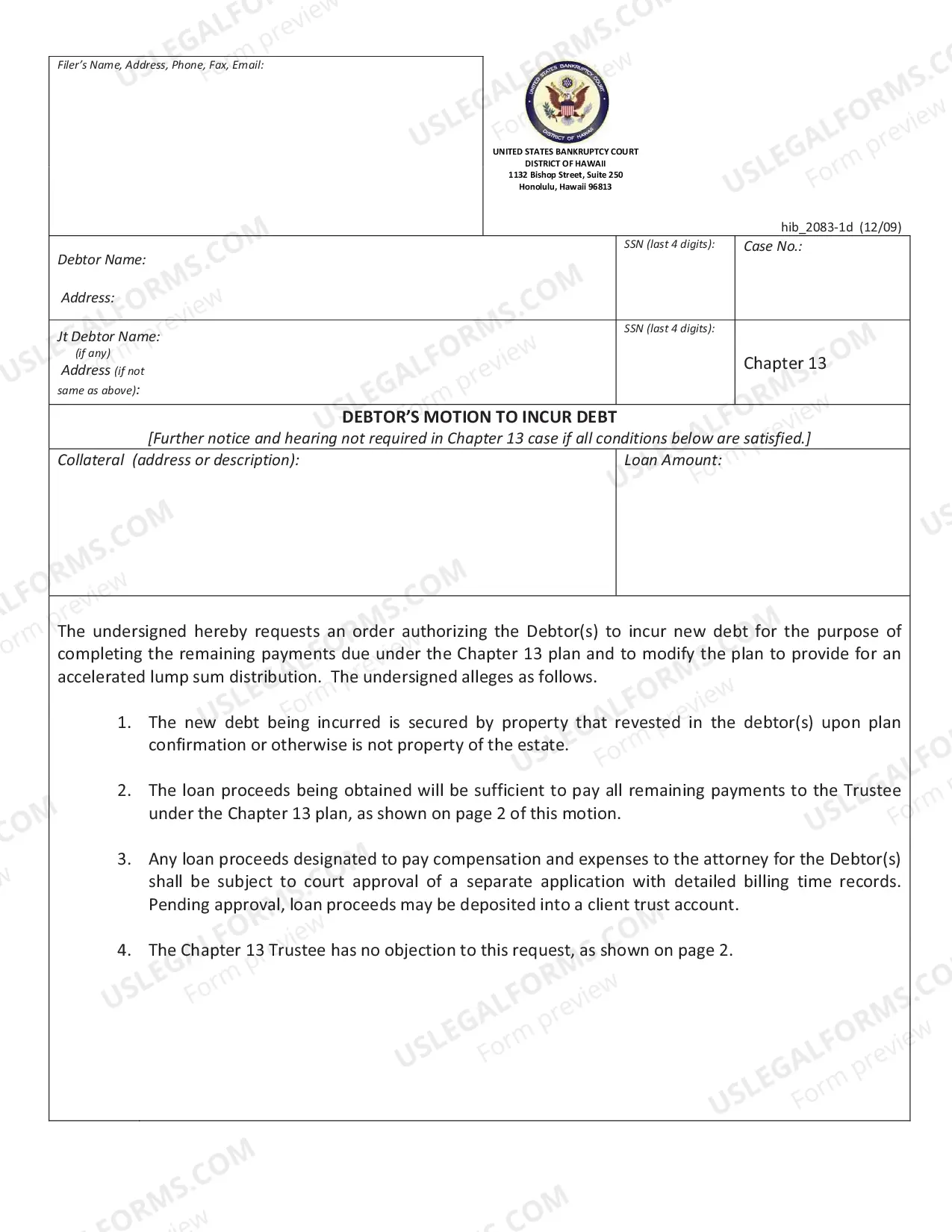
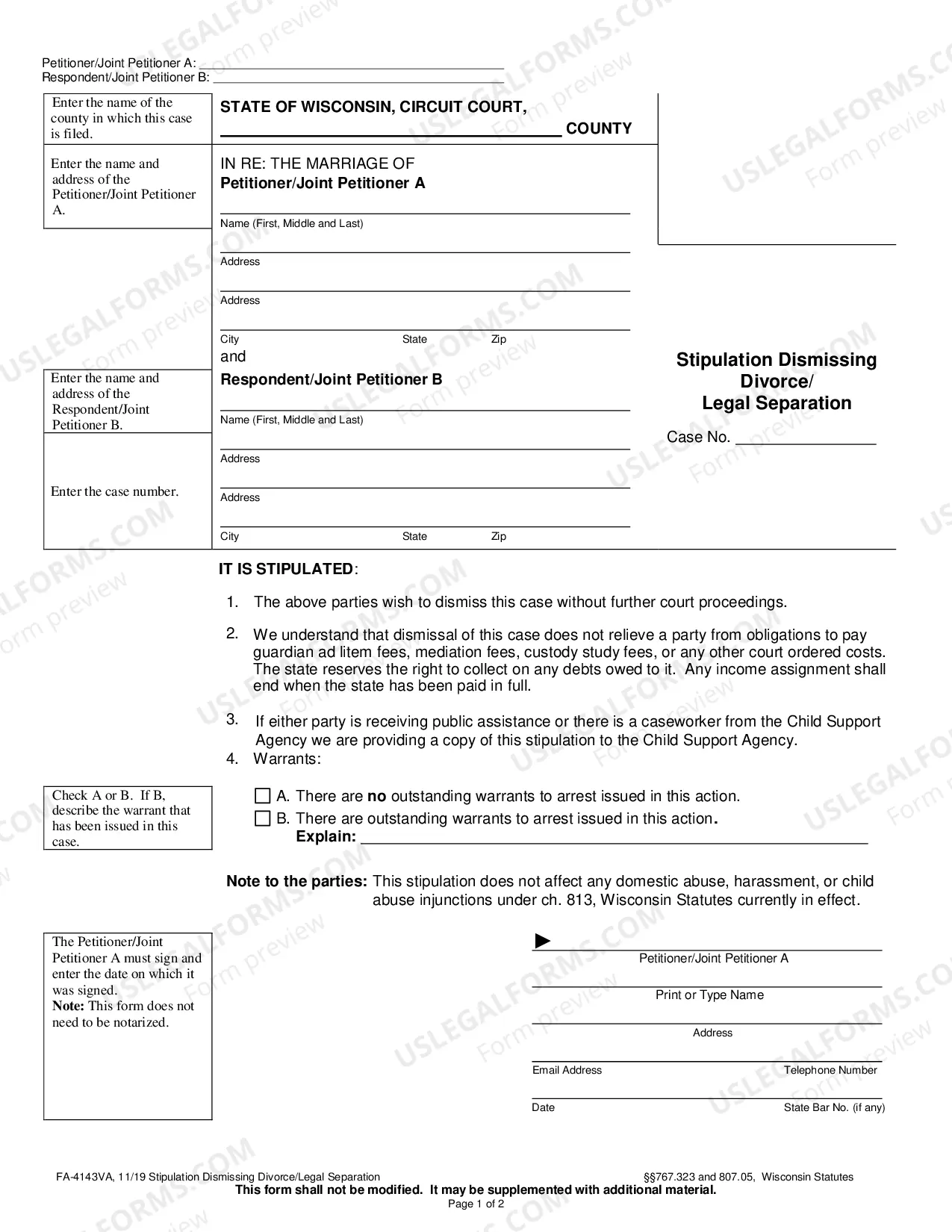
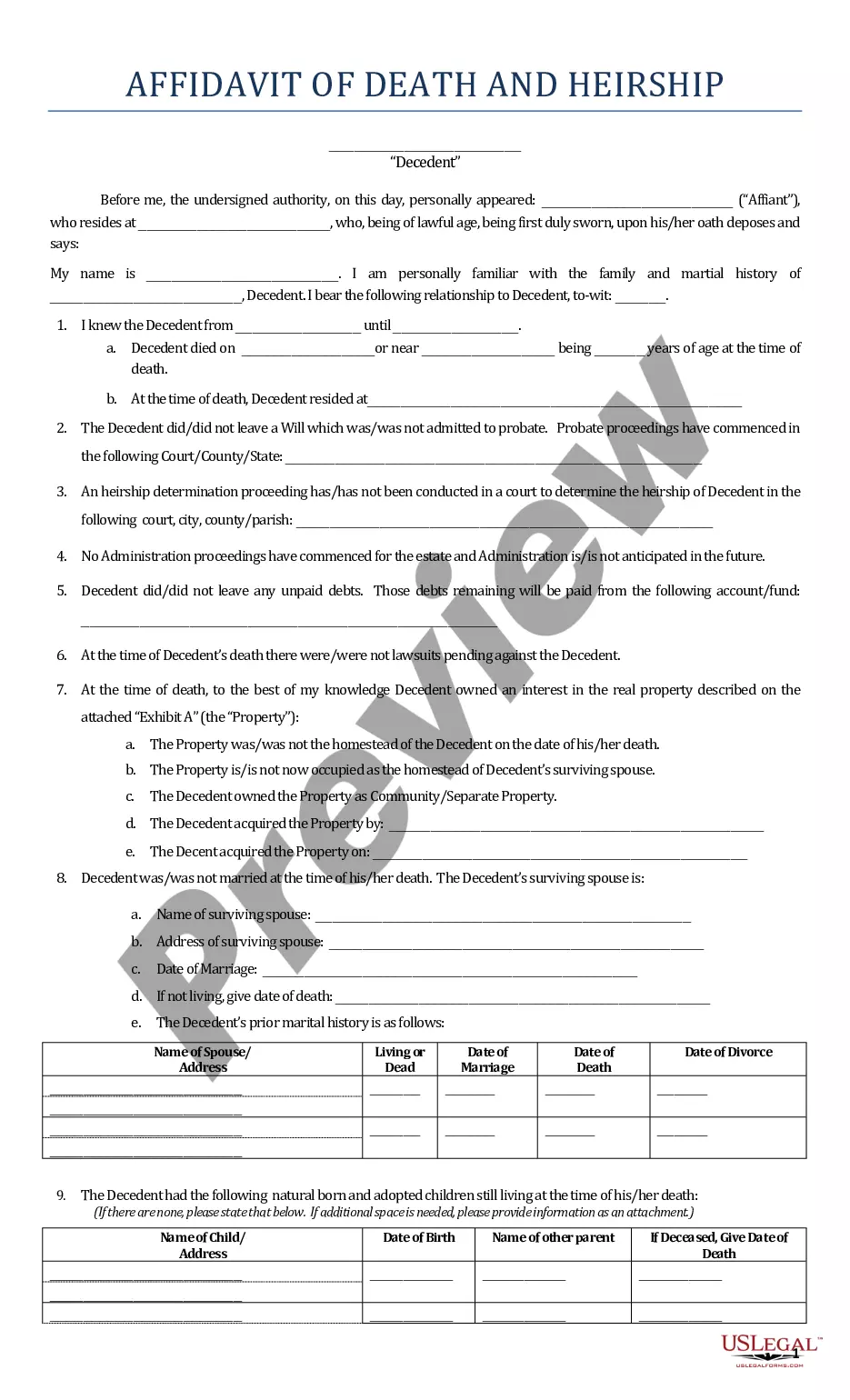


Form popularity
FAQ
Be Specific: Clearly state what you need help with. Be Polite: Use a courteous tone throughout the letter. Show Gratitude: Thank the person for their time and consideration. Keep it Brief: Avoid unnecessary details; be concise.
In federal criminal cases, letters of support are letters written to the judge who will decide the defendant's sentence. They are addressed to the judge, and they ask the judge for leniency in sentencing the defendant.
Most letters have three parts: an opening statement that identifies the project/program where funds are being sought, one or two middle paragraphs that indicate the relationship of the writer to the effort seeking funding, and a closing statement. Be sure all your supporters address the same person at the same address.
How to prove the best interest of the child Keep a log of child-related expenses. Get reliable child care. Ask others to testify on your behalf. Show that you're willing to work with the other parent. Know your child's interests. Have a safe place for your child to live. Behave in court.
Things the letter must communicate: Who you are (your name, job title, organisation, and contact details) ... Your relationship to the person with disability. How long you have worked with them. Your knowledge of why they are before the court.