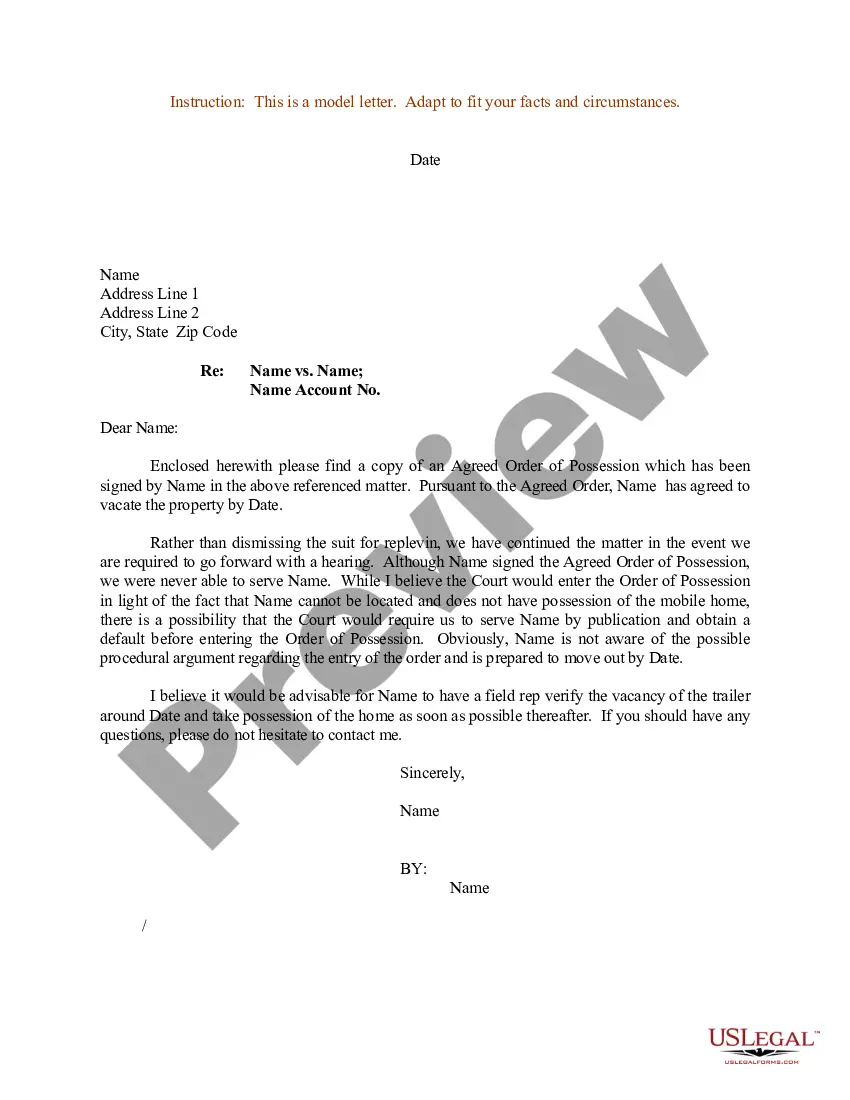
Court Letter Sample For Job Application In Collin
Description



Get your form ready online
Our built-in tools help you complete, sign, share, and store your documents in one place.
Make edits, fill in missing information, and update formatting in US Legal Forms—just like you would in MS Word.
Download a copy, print it, send it by email, or mail it via USPS—whatever works best for your next step.
Sign and collect signatures with our SignNow integration. Send to multiple recipients, set reminders, and more. Go Premium to unlock E-Sign.
If this form requires notarization, complete it online through a secure video call—no need to meet a notary in person or wait for an appointment.
We protect your documents and personal data by following strict security and privacy standards.

Make edits, fill in missing information, and update formatting in US Legal Forms—just like you would in MS Word.

Download a copy, print it, send it by email, or mail it via USPS—whatever works best for your next step.

Sign and collect signatures with our SignNow integration. Send to multiple recipients, set reminders, and more. Go Premium to unlock E-Sign.

If this form requires notarization, complete it online through a secure video call—no need to meet a notary in person or wait for an appointment.

We protect your documents and personal data by following strict security and privacy standards.
Looking for another form?


Form popularity
FAQ
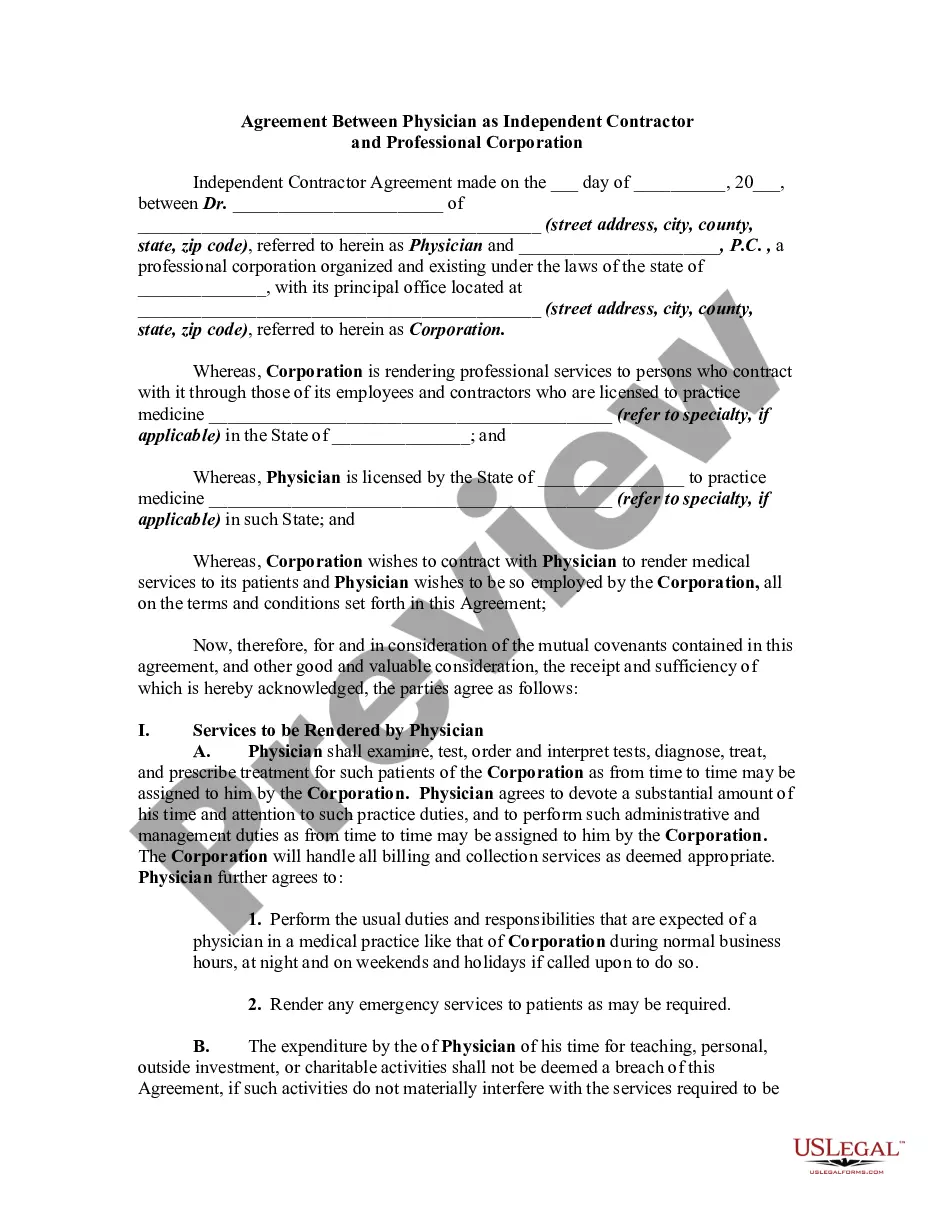
Write the Salutation If you are addressing it to a member of the court staff, type "Dear Ms. Smith:" and include a colon after the person's name. If you are addressing the letter generally, type "Dear Clerk of Court:" and include a colon after the last word.
Follow the order of this format, leaving a space in between each section: Your Information (first thing that goes on the inside of the letter) Name. The Date. The Judge's Information. Honorable Judge First Name Last Name. What the Letter Is Going to Address. Salutation. Body. Signature.
Court clerks and deputy sheriffs should be addressed without the use of pronouns. Instead of “madam/Mr. deputy sheriff or court clerk”, they should be addressed as “deputy sheriff/sheriff or court clerk”.
Be polite and professional start your letter with a formal salutation. Such as dear clerk of courtsMoreBe polite and professional start your letter with a formal salutation. Such as dear clerk of courts or Dear Mr Ms Clerk's. Last name maintain a respectful tone throughout the letter 6.
Follow these steps to write an engaging application letter: Research the company and position. Start by expressing your interest in the position. Mention your qualifications and experience. Describe your personality. Appreciate the reader. Close the letter. Be concise. Proofread your application letter.
Be polite and professional start your letter with a formal salutation. Such as dear clerk of courtsMoreBe polite and professional start your letter with a formal salutation. Such as dear clerk of courts or Dear Mr Ms Clerk's. Last name maintain a respectful tone throughout the letter 6.
It notes where you should include the few specific, relevant details a judge is likely interested in hearing about you IF applicable to you and your application.
In the salutation, always use the appropriate title (e.g., Judge/Justice/Chief Justice) followed by the judge's last name. Dear Judge Cote: Dear Justice Cotter: Senior, magistrate, and bankruptcy judges are addressed simply as “Judge” with no modifier. Close the letter with “Respectfully” instead of “Sincerely.”
Be candid and sincere, and write without hyperbole and you will be the best advocate for yourself. You will address your letter to the judge and be tempted to do research and tailor letters to each particular judge, but a lot of times, judges have their law clerks read the materials first and select their favorites.
