Court Letter Sample For School In Clark
Description


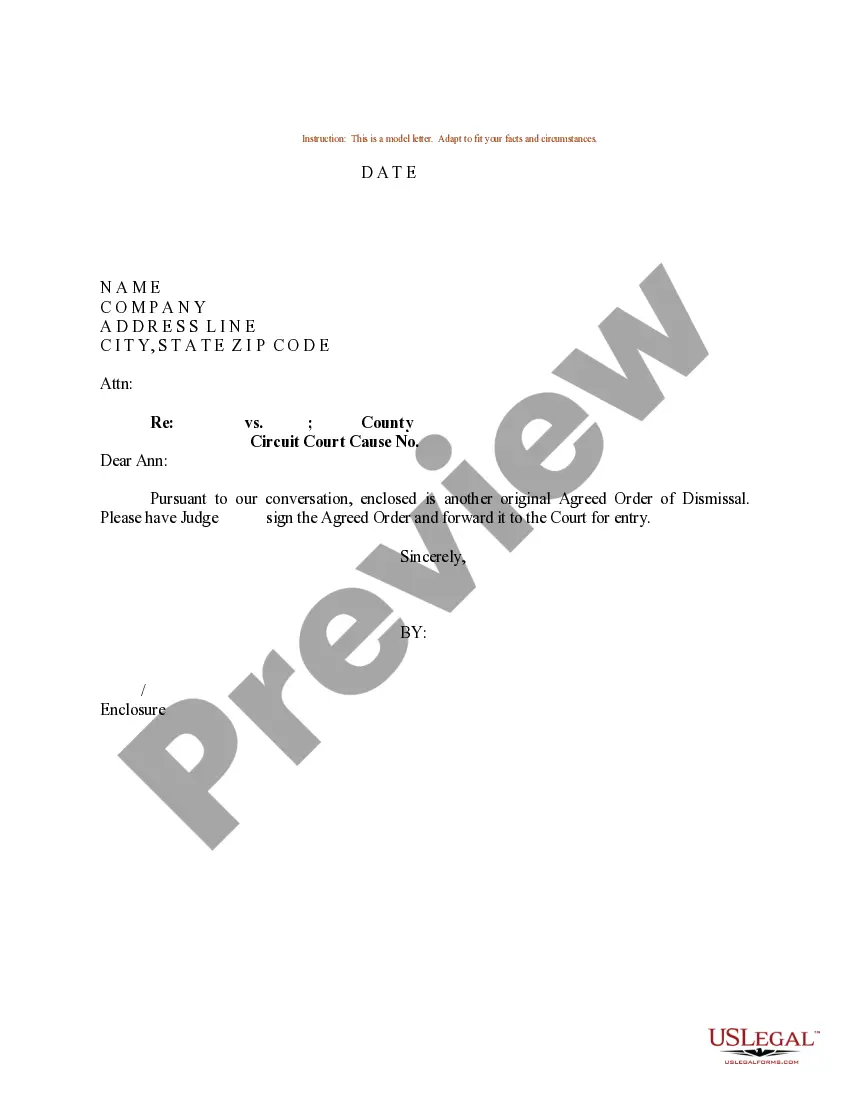
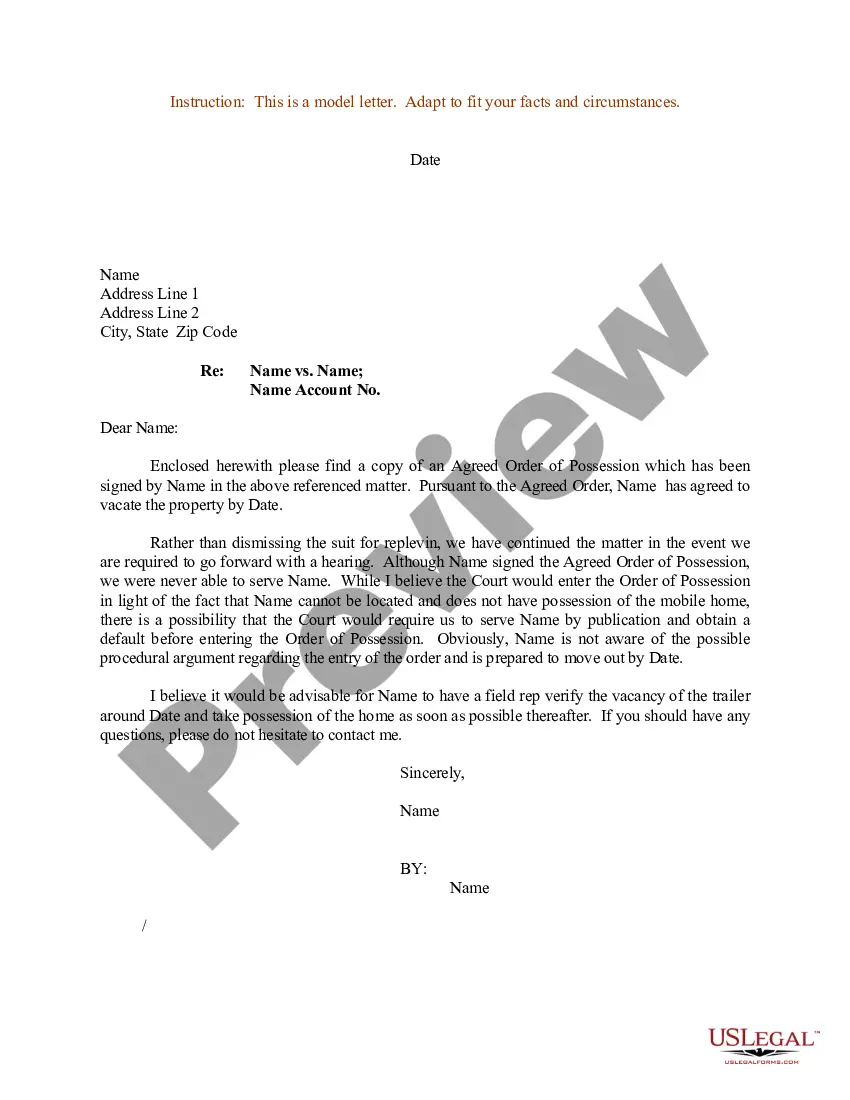
Get your form ready online
Our built-in tools help you complete, sign, share, and store your documents in one place.
Make edits, fill in missing information, and update formatting in US Legal Forms—just like you would in MS Word.
Download a copy, print it, send it by email, or mail it via USPS—whatever works best for your next step.
Sign and collect signatures with our SignNow integration. Send to multiple recipients, set reminders, and more. Go Premium to unlock E-Sign.
If this form requires notarization, complete it online through a secure video call—no need to meet a notary in person or wait for an appointment.
We protect your documents and personal data by following strict security and privacy standards.

Make edits, fill in missing information, and update formatting in US Legal Forms—just like you would in MS Word.

Download a copy, print it, send it by email, or mail it via USPS—whatever works best for your next step.

Sign and collect signatures with our SignNow integration. Send to multiple recipients, set reminders, and more. Go Premium to unlock E-Sign.

If this form requires notarization, complete it online through a secure video call—no need to meet a notary in person or wait for an appointment.

We protect your documents and personal data by following strict security and privacy standards.
Looking for another form?






Form popularity
FAQ
A cover letter follows a format similar to a formal business letter. Include the date you sent the letter and the name of the judicial organization with the open position. Next, address the letter using "Dear Hiring Manager" or the first and last name of the recipient if you know that information.
Follow the order of this format, leaving a space in between each section: Your Information (first thing that goes on the inside of the letter) Name. The Date. The Judge's Information. Honorable Judge First Name Last Name. What the Letter Is Going to Address. Salutation. Body. Signature.
In the salutation, always use the appropriate title (e.g., Judge/Justice/Chief Justice) followed by the judge's last name. Dear Judge Cote: Dear Justice Cotter: Senior, magistrate, and bankruptcy judges are addressed simply as “Judge” with no modifier. Close the letter with “Respectfully” instead of “Sincerely.”
Beyond that, Siegel boils down the most important things to include in a cover letter to three points. "Show enthusiasm, show you've done research, and show you want to come in there and make a contribution," he says.
Start the body of your letter with enthusiasm for the position. Continue with an interesting statement about how your professional abilities closely match the prospective job. This is your opportunity to make a positive first impression and set yourself apart from other applicants with experience in the courtroom.
Tips for an Effective Character Letter To a Judge in California Understand the Purpose of a Character Letter. Use Specific Anecdotes Over General Praise. Address the Impact on the Defendant's Support Network. Maintain Respect For the Court. Respect the Judge's Time. Align Your Expectations with Reality.
The law requires that before admitting a person to the bar of the State of New York, the Appellate Division of the Supreme Court must be satisfied that each applicant “possesses the character and general fitness requisite for an attorney and counsellor-at-law” (Judiciary Law § 901) and it directs the creation of ...
In the salutation, always use the appropriate title (e.g., Judge/Justice/Chief Justice) followed by the judge's last name. Dear Judge Cote: Dear Justice Cotter: Senior, magistrate, and bankruptcy judges are addressed simply as “Judge” with no modifier. Close the letter with “Respectfully” instead of “Sincerely.”
Follow the order of this format, leaving a space in between each section: Your Information (first thing that goes on the inside of the letter) Name. The Date. The Judge's Information. Honorable Judge First Name Last Name. What the Letter Is Going to Address. Salutation. Body. Signature.
You must fill out an Answer, serve the plaintiff, and file your Answer form with the court. Generally, this is due within 30 days after you were served. If you don't, the plaintiff can ask for a default. If there's a default, the court won't let you file an Answer and can decide the case without you.

