Court Letter Sample For Child In Chicago
Description



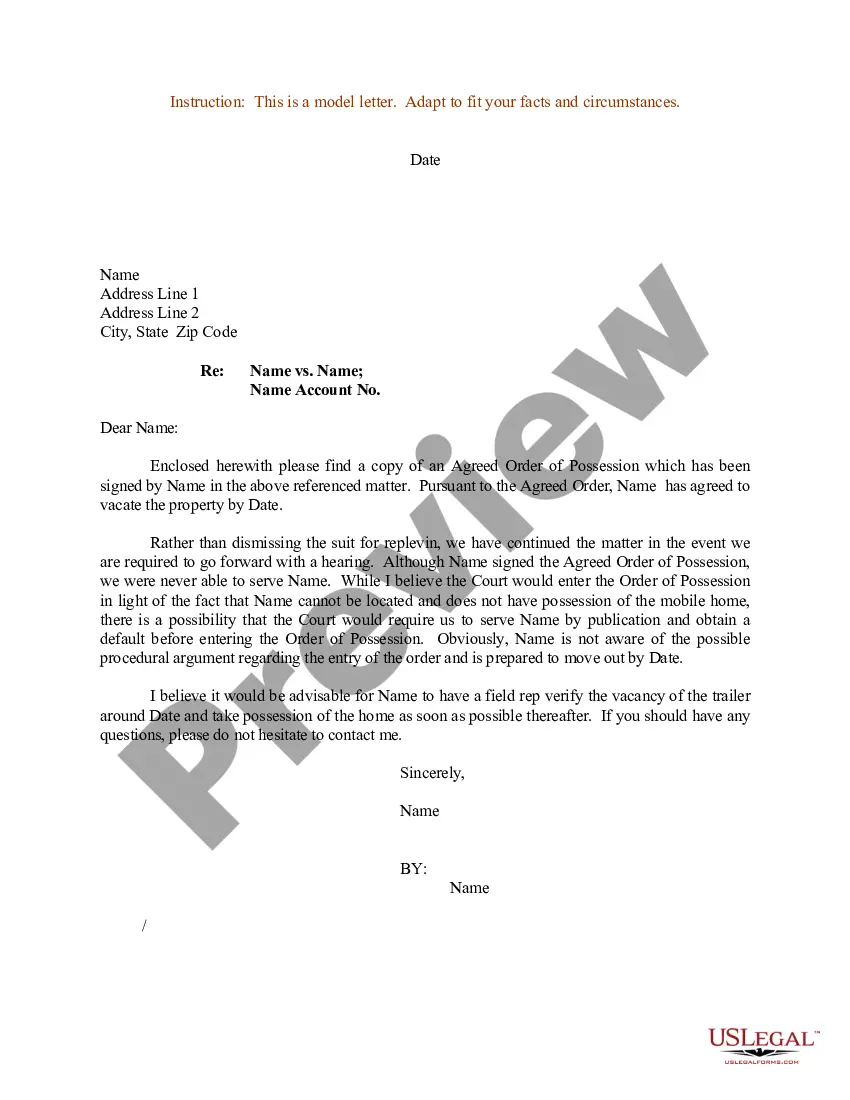
Get your form ready online
Our built-in tools help you complete, sign, share, and store your documents in one place.
Make edits, fill in missing information, and update formatting in US Legal Forms—just like you would in MS Word.
Download a copy, print it, send it by email, or mail it via USPS—whatever works best for your next step.
Sign and collect signatures with our SignNow integration. Send to multiple recipients, set reminders, and more. Go Premium to unlock E-Sign.
If this form requires notarization, complete it online through a secure video call—no need to meet a notary in person or wait for an appointment.
We protect your documents and personal data by following strict security and privacy standards.

Make edits, fill in missing information, and update formatting in US Legal Forms—just like you would in MS Word.

Download a copy, print it, send it by email, or mail it via USPS—whatever works best for your next step.

Sign and collect signatures with our SignNow integration. Send to multiple recipients, set reminders, and more. Go Premium to unlock E-Sign.

If this form requires notarization, complete it online through a secure video call—no need to meet a notary in person or wait for an appointment.

We protect your documents and personal data by following strict security and privacy standards.
Looking for another form?








Form popularity
FAQ
If you see a potential for a motion to dismiss, this is an opportunity to inform the client how much legal expertise is necessary for such a filing. In other words, they will be facing a daunting challenge trying to represent themselves and will likely need an attorney more than ever.
Provide a concise summary of the key issues and events pertaining to the custody situation. Focus on highlighting factors that would be in the best interests of any children involved, such as stability, safety, and meeting the children's needs. Avoid making accusations or attacking your former spouse directly.
Step 1: Open a case. Begin by opening a case with your local family court and filing a petition for allocation of parental responsibilities. Step 2: Serve the other parent. Step 3: Wait for a response. Step 4: File a parenting plan. Preparing for what comes next.
Things You Should Know Write your legal argument by stating the rule and explaining how your facts apply to it. Then, add your signature, a Certificate of Service, and a Notice of Hearing. File your motion with the clerk of court overseeing your case. Then, give copies to each defendant.
If you want to file a motion, the process is generally something like this: You write your motion. You file your motion with the court clerk. The court clerk inserts the date and time your motion will be heard by the judge. You “serve” (mail) your motion to the other side.
The Motion and the Notice of Motion need to be e-filed with the Clerk of the Court. The e-Filing system will reject your filing if you do not enter a court date on the form before e-filing it.
Begin by opening a case with your local family court and filing a petition for allocation of parental responsibilities. The petition may be submitted independently or as part of a divorce, separation, order of protection or parentage case.
Your letter should be well-organized and specific to your situation. It should demonstrate your genuine commitment to being a good co-parent, make a thoughtful argument in favor of your custody arrangement and show that you prioritize your child's best interests.
Good Words To Use In Custody Hearing Your Child is Not Property. The primary thing you must remember is that your child is not property. Best Interests of Child. With that in mind, you must always remember in Court, it is about your children. Status Quo. Child's Schedule. Co-Parenting. Flexibility. Step-Up Plan. Our Child.
Provide a concise summary of the key issues and events pertaining to the custody situation. Focus on highlighting factors that would be in the best interests of any children involved, such as stability, safety, and meeting the children's needs. Avoid making accusations or attacking your former spouse directly.

