Court Letter Sample For Job In Bronx
Description



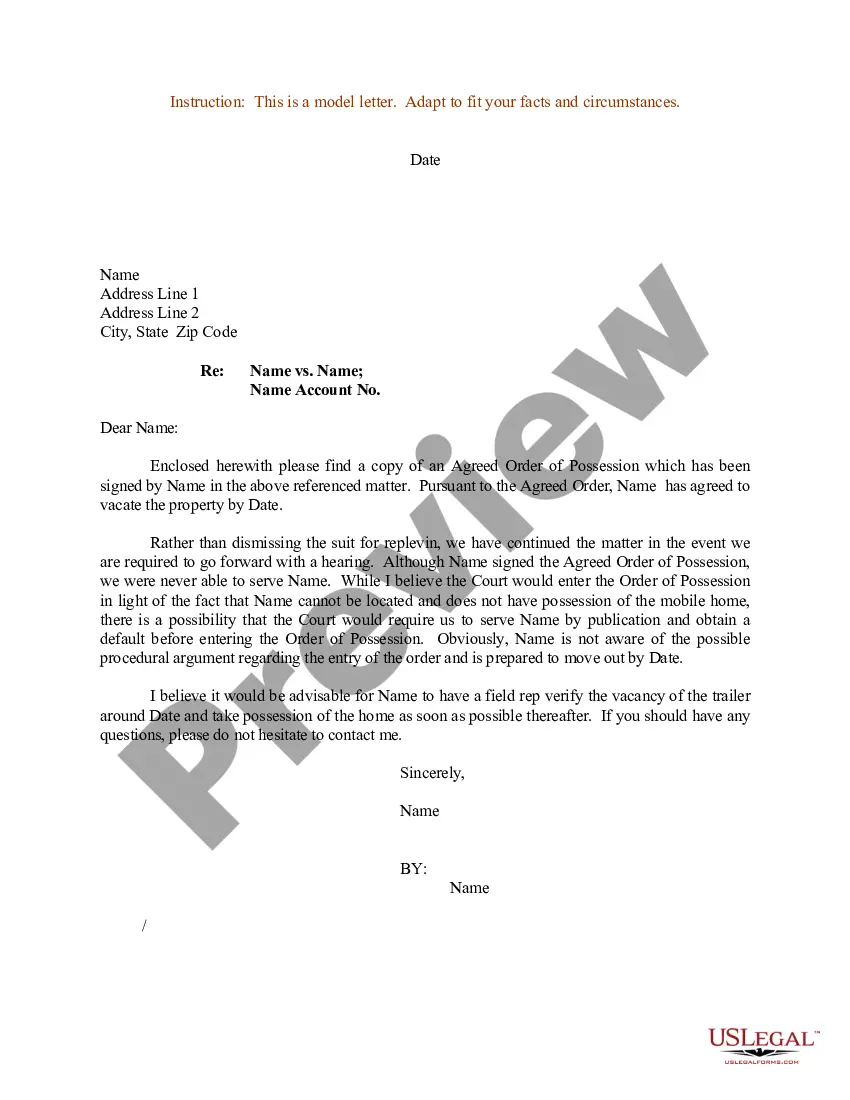
Get your form ready online
Our built-in tools help you complete, sign, share, and store your documents in one place.
Make edits, fill in missing information, and update formatting in US Legal Forms—just like you would in MS Word.
Download a copy, print it, send it by email, or mail it via USPS—whatever works best for your next step.
Sign and collect signatures with our SignNow integration. Send to multiple recipients, set reminders, and more. Go Premium to unlock E-Sign.
If this form requires notarization, complete it online through a secure video call—no need to meet a notary in person or wait for an appointment.
We protect your documents and personal data by following strict security and privacy standards.

Make edits, fill in missing information, and update formatting in US Legal Forms—just like you would in MS Word.

Download a copy, print it, send it by email, or mail it via USPS—whatever works best for your next step.

Sign and collect signatures with our SignNow integration. Send to multiple recipients, set reminders, and more. Go Premium to unlock E-Sign.

If this form requires notarization, complete it online through a secure video call—no need to meet a notary in person or wait for an appointment.

We protect your documents and personal data by following strict security and privacy standards.
Looking for another form?







Form popularity
FAQ
You start a lawsuit by filing a complaint. In some circumstances, you file a petition or a motion. The court has several complaint forms that you may use in drafting your complaint. The forms are available online and at the Pro Se Intake Unit.
When the defendant files an answer to the complaint, a copy of the answer must be provided to the plaintiff. An affidavit of service is then filed as proof that the document was provided to the other party.
Come prepared. Bring the original document and at least two copies of any evidence you plan to present. Write out the questions you plan to ask and go over them with your witness before the hearing. Have a clear plan of what you plan to say and the order you plan to say it.
Although affidavits of service are not otherwise required to be filed, courts generally require that they be submitted and/or filed to assure that the Defendant has been given notice of the action or proceeding.
In the affidavit of non service, the process server meticulously records the due diligence exercised in attempting to locate and serve the recipient. Depending on the type of legal case, various actions can follow, including proceeding with the case and potentially entering a judgment against the subject in absentia.
If substituted or nail and mail service were used, the affidavit of service must be filed with the County Clerk within 20 days of the date of service.
You start a lawsuit by filing a complaint. In some circumstances, you file a petition or a motion. The court has several complaint forms that you may use in drafting your complaint. The forms are available online and at the Pro Se Intake Unit.
If proof of service of the summons has not been filed within 60 days of the complaint's filing, the court may dismiss the action without prejudice.
Timeline of How to File a Lawsuit Step 1: File a Complaint. Plaintiff files a complaint and summons with the local county court. Step 2: Answer Complaint. Step 3: Discovery. Step 4: Failing to Respond to Discovery. Step 5: Conclusion of Lawsuit.
A certified disposition can only be issued by the court where the case took place. Courts have different procedures and requirements for how to get a certified disposition. Some courts may require that you make your request in person, while others may honor requests made by mail, phone, or online.

