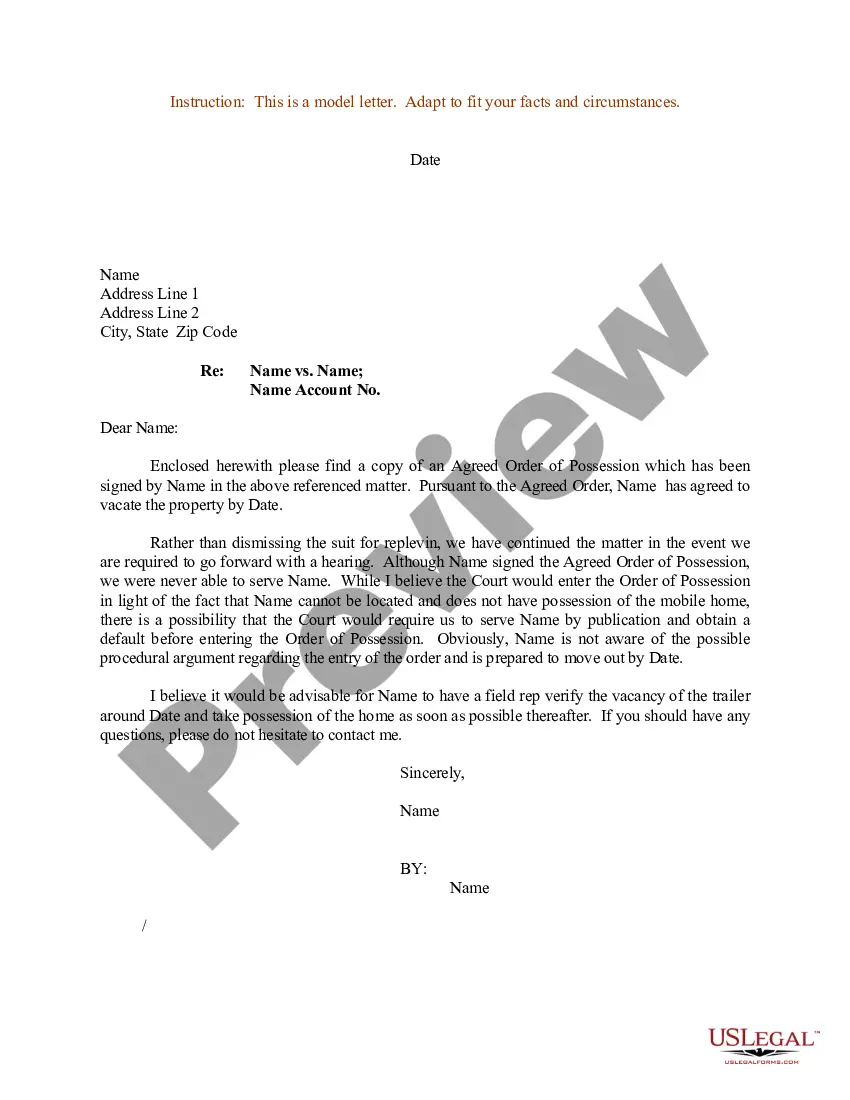
Letter To Court Template With Leniency In Bexar
Description



Get your form ready online
Our built-in tools help you complete, sign, share, and store your documents in one place.
Make edits, fill in missing information, and update formatting in US Legal Forms—just like you would in MS Word.
Download a copy, print it, send it by email, or mail it via USPS—whatever works best for your next step.
Sign and collect signatures with our SignNow integration. Send to multiple recipients, set reminders, and more. Go Premium to unlock E-Sign.
If this form requires notarization, complete it online through a secure video call—no need to meet a notary in person or wait for an appointment.
We protect your documents and personal data by following strict security and privacy standards.

Make edits, fill in missing information, and update formatting in US Legal Forms—just like you would in MS Word.

Download a copy, print it, send it by email, or mail it via USPS—whatever works best for your next step.

Sign and collect signatures with our SignNow integration. Send to multiple recipients, set reminders, and more. Go Premium to unlock E-Sign.

If this form requires notarization, complete it online through a secure video call—no need to meet a notary in person or wait for an appointment.

We protect your documents and personal data by following strict security and privacy standards.
Looking for another form?









Form popularity
FAQ
When writing your letter, you'll want to focus on factors that might persuade the judge to be more lenient in their sentencing. This could include things like the defendant's past accomplishments, positive contributions to the community, or evidence of remorse and rehabilitation.
For individuals writing character letters, the goal should be to first establish your credibility as a reference for the defendant. Next, the letter should describe the defendant, in order to help the judge better understand him or her beyond the offense committed.
Explain the context of the situation and your personal circumstances in a clear and concise manner. Express genuine remorse for your actions and take responsibility. Discuss the steps you have taken or plan to take to address the underlying issues that led to the offense.
The 5 most common tips in writing an effective leniency letter to a judge include: write a clear introduction, introduce yourself and establish credibility, provide reasons for leniency, tell a story, and. provide contact information.
Here are ways to convince a judge to give you a lesser sentence. Hire a Criminal Lawyer. An experienced criminal defense attorney can identify potential weaknesses in the prosecution's case. Present Some Mitigating Evidence. Cooperate With Law Enforcement. Strictly Follow Court Orders. Hire a Seasoned Attorney.
Polite and Professional Tone: Maintain a respectful and professional tone throughout the letter. Avoid being confrontational or emotional, as it may undermine your credibility. Clearly State Grounds for Appeal: Clearly and succinctly explain the reasons why you believe the decision should be reconsidered.
A good character letter can be incredibly helpful to a defendant's case. Writing such a letter can be a challenge, particularly for those who are inexperienced with the criminal justice system. Read on to learn more about how to write a top-notch letter of support.
Generally, the letters should be typed on 8.5 by 11-inch standard paper. Remember that the goal is to get the court to read your letter, and the easier that you make it for them to read, the better. The only exception is if the letter is written by a child. In that case, a handwritten letter may be more powerful.

