Meeting Annual Consider For College In Bronx
Description



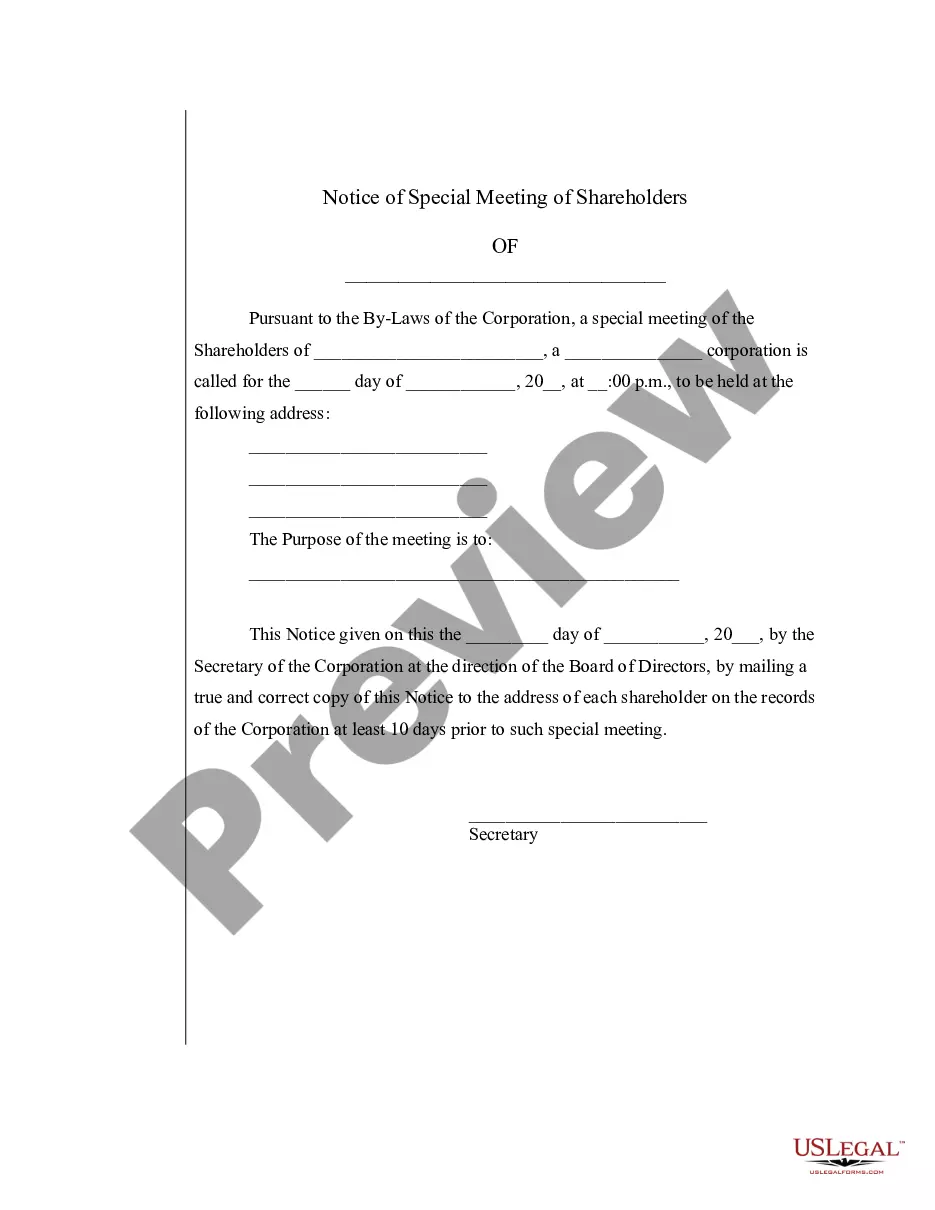
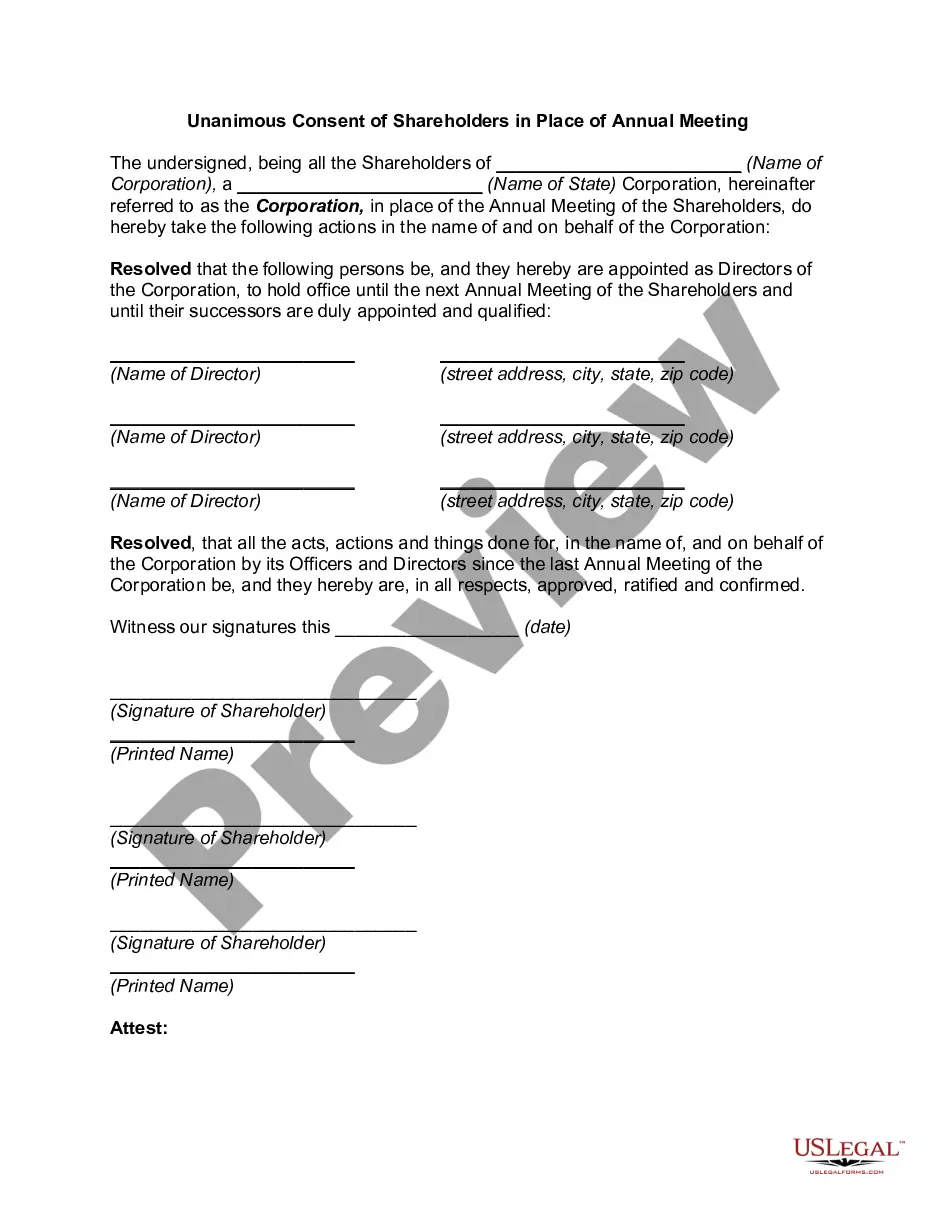
Get your form ready online
Our built-in tools help you complete, sign, share, and store your documents in one place.
Make edits, fill in missing information, and update formatting in US Legal Forms—just like you would in MS Word.
Download a copy, print it, send it by email, or mail it via USPS—whatever works best for your next step.
Sign and collect signatures with our SignNow integration. Send to multiple recipients, set reminders, and more. Go Premium to unlock E-Sign.
If this form requires notarization, complete it online through a secure video call—no need to meet a notary in person or wait for an appointment.
We protect your documents and personal data by following strict security and privacy standards.

Make edits, fill in missing information, and update formatting in US Legal Forms—just like you would in MS Word.

Download a copy, print it, send it by email, or mail it via USPS—whatever works best for your next step.

Sign and collect signatures with our SignNow integration. Send to multiple recipients, set reminders, and more. Go Premium to unlock E-Sign.

If this form requires notarization, complete it online through a secure video call—no need to meet a notary in person or wait for an appointment.

We protect your documents and personal data by following strict security and privacy standards.
Looking for another form?










Form popularity
FAQ
To be eligible for an IEP, a student has to: Have one or more of the 13 conditions that are covered under IDEA, which includes learning disabilities like dyslexia and also. Need services to thrive in school.
IDEA's Exact Words. Special Factor 1: Behavior. Special Factor 2: Limited English Proficiency. Special Factor 3: Blindness and Visual Impairment. Special Factor 4: Communication Needs, Especially When Child is Deaf or Hard of Hearing. Special Factor 5: Assistive Technology. References.
Evaluators must identify your child as having one of the following disabilities for him or her to be eligible for an I.E.P.: autism; deafness; deaf-blindness; emotional disturbance; hearing impairment; mental retardation; learning disability; multiple disabilities; orthopedic impairment; other health impairment, speech ...
The Individualized Educational Plan (IEP) is a plan or program developed to ensure that a child who has a disability identified under the law and is attending an elementary or secondary educational institution receives specialized instruction and related services.
Evaluators must identify your child as having one of the following disabilities for him or her to be eligible for an I.E.P.: autism; deafness; deaf-blindness; emotional disturbance; hearing impairment; mental retardation; learning disability; multiple disabilities; orthopedic impairment; other health impairment, speech ...
The Coordinated Set of Transition Activities are the activities and services that will help your child gain the skills needed to meet their goals. Your child's IEP team will begin considering a coordinated set of transition activities starting at age 14 (or at a younger age, if appropriate).
To qualify for an IEP, a student must have a disability that affects their ability to learn or access education and require special education services.
Individualized Transition Plan (ITP) Address the student's preferences, interests, strengths, and needs. Participation of parents. List of participants for specific goals. A coordinated set of activities demonstrating use of various strategies, community and adult living experiences. Annual goals.
College Now is a collaborative program between the City University of New York (CUNY) and the New York City Department of Education (DOE).
How hard is it for the average student to get in? Bronx Community College operates on an open admissions policy, which means that anyone who has a high school diploma or GED is eligible to enroll. This essentially makes the acceptance rate 100%.

