Sample Settlement Letter Without Prejudice In San Antonio
Description


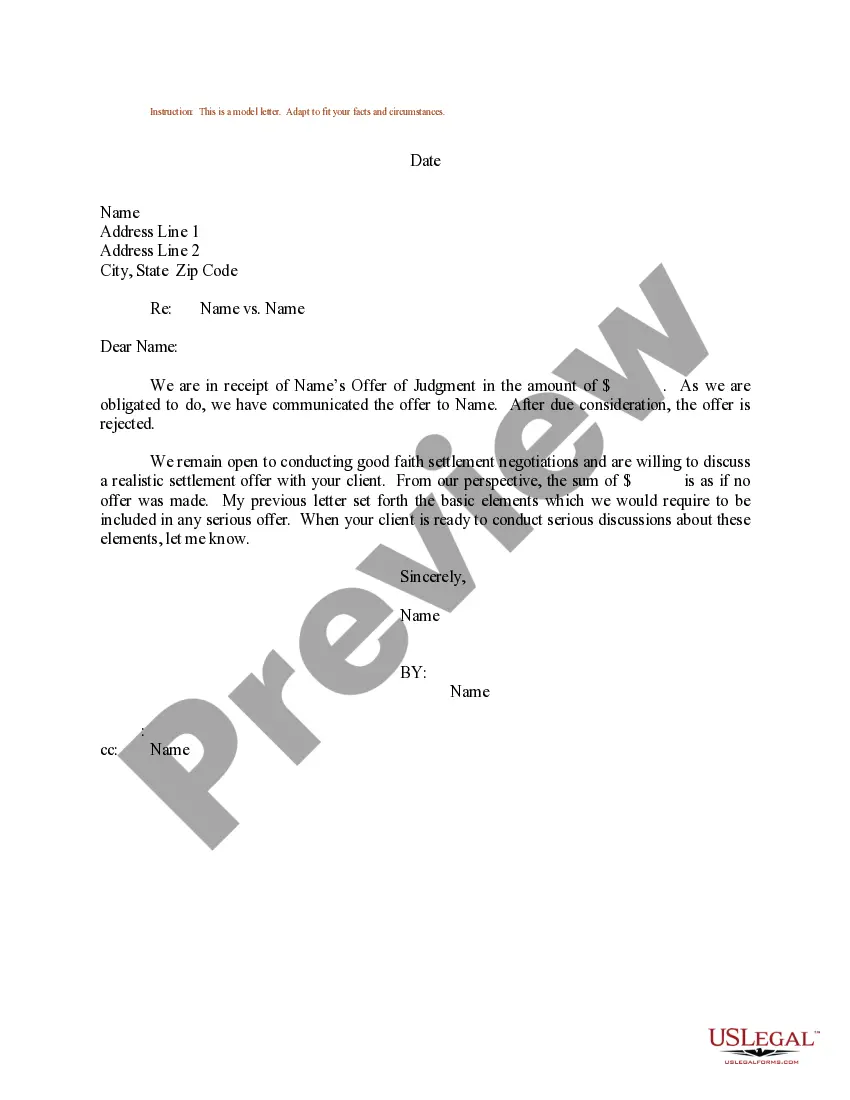
Get your form ready online
Our built-in tools help you complete, sign, share, and store your documents in one place.
Make edits, fill in missing information, and update formatting in US Legal Forms—just like you would in MS Word.
Download a copy, print it, send it by email, or mail it via USPS—whatever works best for your next step.
Sign and collect signatures with our SignNow integration. Send to multiple recipients, set reminders, and more. Go Premium to unlock E-Sign.
If this form requires notarization, complete it online through a secure video call—no need to meet a notary in person or wait for an appointment.
We protect your documents and personal data by following strict security and privacy standards.

Make edits, fill in missing information, and update formatting in US Legal Forms—just like you would in MS Word.

Download a copy, print it, send it by email, or mail it via USPS—whatever works best for your next step.

Sign and collect signatures with our SignNow integration. Send to multiple recipients, set reminders, and more. Go Premium to unlock E-Sign.

If this form requires notarization, complete it online through a secure video call—no need to meet a notary in person or wait for an appointment.

We protect your documents and personal data by following strict security and privacy standards.
Looking for another form?






Form popularity
FAQ
How Do You Fill Out an Answer Form? Step 1: Deny or Verify the Pleas From the Complaint. Step 2: Raise Your Defenses and Counterclaims. Step 3: Sign the Unsworn Declaration. Step 4: Fill Out the Certificate of Service. Step 5: File Your Forms With the Justice Court Clerk Within 14 Days.
Treat the following as a set of general guidelines: Gather complete information before you start writing. Describe your injuries and medical treatment. List your medical expenses, lost wages, and non-economic damages. Make a settlement demand. Include a deadline for legal action if you want to, but don't bluff.
Dismissal Without Prejudice: Allows the plaintiff to refile the case in the future, assuming no statute of limitations has elapsed. Dismissal With Prejudice: This is a final judgment that prevents the plaintiff from bringing the same claim or cause of action against the same defendant in the future.
To file online, go to E-File Texas ( ) 11 and follow the instructions. To file in person, take your answer (and copies) to the district clerk's office in the county where the plaintiff filed the case. At the clerk's office: Turn in your answer form (and copies).
Where do I put the words "without prejudice" on a document or email? There are no rules about this but generally, at the top of any document or in the subject line etc - so that it is instantly clear to the reader.
To file online, go to E-File Texas ( ) 11 and follow the instructions. To file in person, take your answer (and copies) to the district clerk's office in the county where the plaintiff filed the case. At the clerk's office: Turn in your answer form (and copies).
On a separate page or pages, write a short and plain statement of the answer to the allegations in the complaint. Number the paragraphs. The answer should correspond to each paragraph in the complaint, with paragraph 1 of the answer corresponding to paragraph 1 of the complaint, etc.
When drafting an answer, one must: (1) follow the local, state, and federal court rules; (2) research the legal claims in the adversary's complaint; (3) respond to the adversary's factual allegations; and (4) assert affirmative defenses, counterclaims, cross-claims, or third-party claims, if applicable.
Settlement Agreement. Plaintiff and Defendant is referred to individually as "Party" and collectively as the "Parties." This Settlement Agreement (the “Agreement”) is entered into and made valid upon signature by both Parties (the “Effective Date”).
A mutual release agreement occurs between two parties that are involved in a legal dispute. By agreeing to mutually release, each party agrees to give up any claims against the other. This includes known claims as well as those that aren't yet known.

