Settlement Offer Rejection Letter Sample With Attached Resume In North Carolina
Description


Get your form ready online
Our built-in tools help you complete, sign, share, and store your documents in one place.
Make edits, fill in missing information, and update formatting in US Legal Forms—just like you would in MS Word.
Download a copy, print it, send it by email, or mail it via USPS—whatever works best for your next step.
Sign and collect signatures with our SignNow integration. Send to multiple recipients, set reminders, and more. Go Premium to unlock E-Sign.
If this form requires notarization, complete it online through a secure video call—no need to meet a notary in person or wait for an appointment.
We protect your documents and personal data by following strict security and privacy standards.

Make edits, fill in missing information, and update formatting in US Legal Forms—just like you would in MS Word.

Download a copy, print it, send it by email, or mail it via USPS—whatever works best for your next step.

Sign and collect signatures with our SignNow integration. Send to multiple recipients, set reminders, and more. Go Premium to unlock E-Sign.

If this form requires notarization, complete it online through a secure video call—no need to meet a notary in person or wait for an appointment.

We protect your documents and personal data by following strict security and privacy standards.
Looking for another form?

Form popularity
FAQ
This letter should state: That you will not accept the initial settlement offer; The reasons why you feel you deserve a higher settlement amount; Each of their low-offer reasons, and your responses; The higher settlement amount that you will accept.
Dear internal candidate name, We sincerely thank you for taking the time to apply and meet with our team about the job title or position. We enjoyed learning more about your past achievements as well as your skills and qualifications. We regret to inform you that we've selected another candidate.
Rejecting the first compensation offer is often a wise decision, especially if it feels rushed or doesn't account for the full scope of your injuries and potential long-term expenses. Many initial offers address only immediate costs, allowing insurers to settle quickly while minimizing their payout.
How to write a denial letter Restate the request. To prevent unnecessary confusion, restate the request your employee made in a few brief sentences. Be specific. Provide a specific reason for your denial. Offer an alternative if possible. Remain polite and professional.
I am writing in response to the settlement offer you presented on Settlement Offer Date, related to claim number Claim Number for the incident that occurred on Incident Date. After careful consideration, I must reject this offer as it does not meet my needs based on the severity and ongoing nature of my injuries.
Countering a Low Insurance Settlement Offer State that the offer you received is unacceptable. Refute any statements in the adjustor's letter that are inaccurate and damaging to your claim. Re-state an acceptable figure. Explain why your counteroffer is appropriate, including the reasons behind your general damage demands.
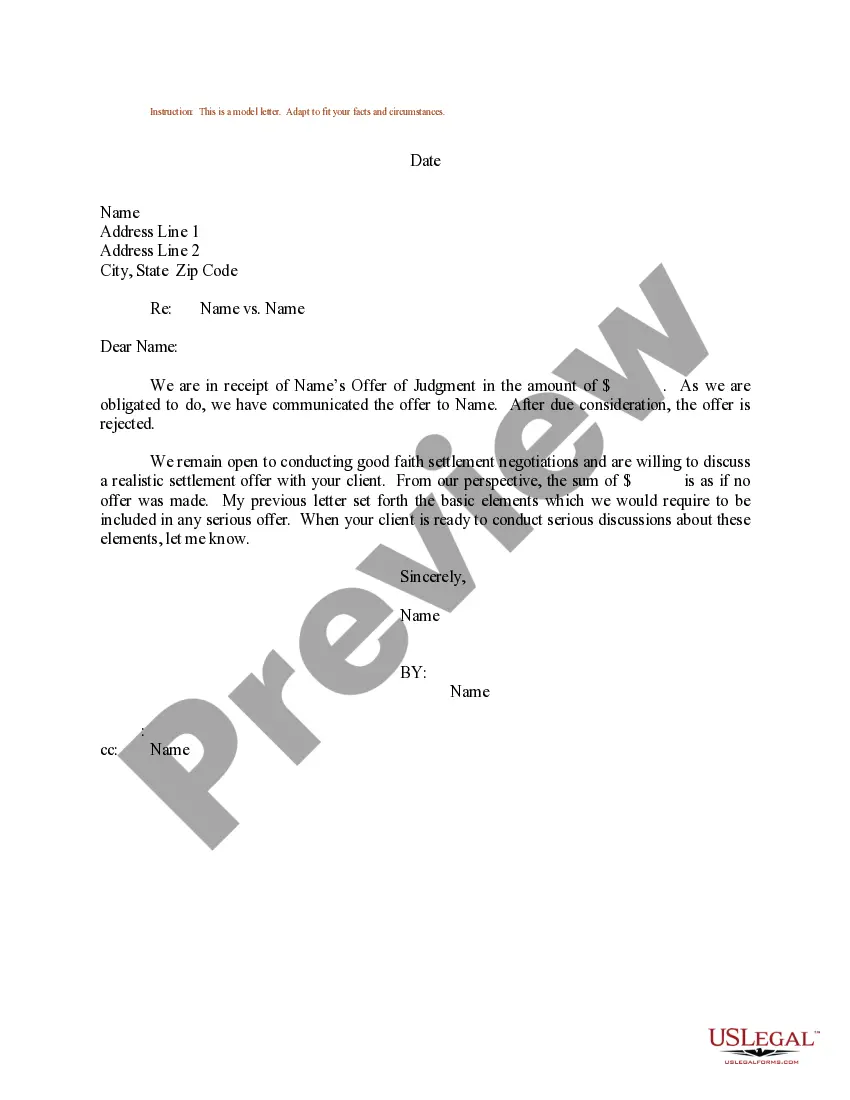
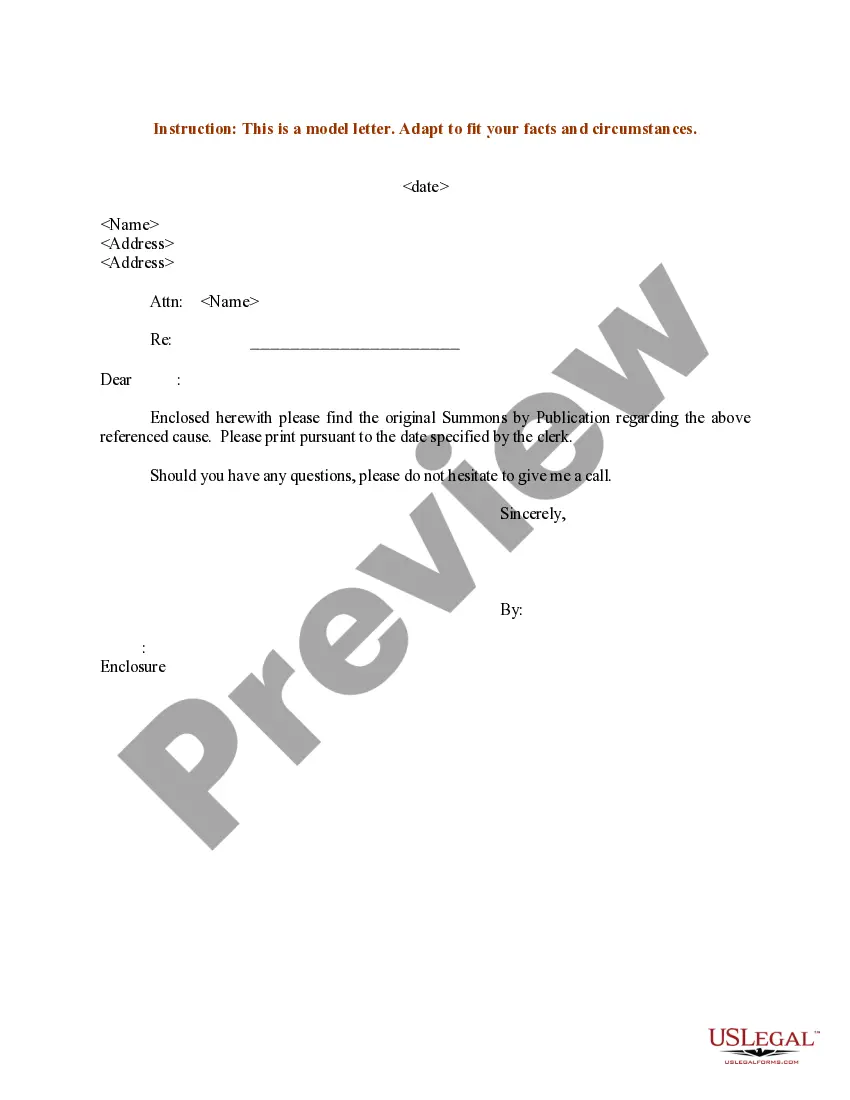
If you choose to reject the low settlement offer, you must communicate your decision to the claims adjuster. Your legal representative can help you write a letter that states your intentions. Within the letter, you can indicate that you reject the offer and highlight why you deserve a higher settlement amount.
In a claim refusal letter, begin with a statement of appreciation, common ground, or understanding; provide a concise and factual explanation; and end in a friendly and confident way. Remember to use the indirect approach.

