Sample Letter For Settlement Proposal In Miami-Dade
Description


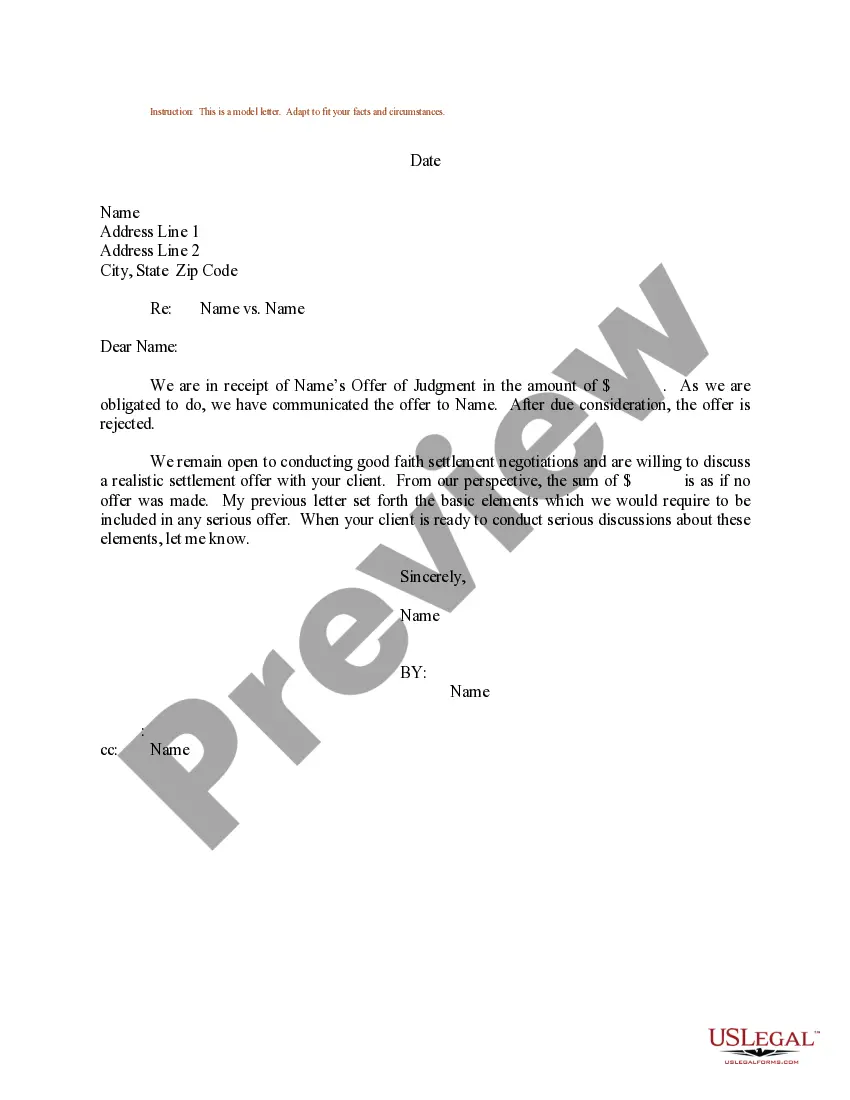
Get your form ready online
Our built-in tools help you complete, sign, share, and store your documents in one place.
Make edits, fill in missing information, and update formatting in US Legal Forms—just like you would in MS Word.
Download a copy, print it, send it by email, or mail it via USPS—whatever works best for your next step.
Sign and collect signatures with our SignNow integration. Send to multiple recipients, set reminders, and more. Go Premium to unlock E-Sign.
If this form requires notarization, complete it online through a secure video call—no need to meet a notary in person or wait for an appointment.
We protect your documents and personal data by following strict security and privacy standards.

Make edits, fill in missing information, and update formatting in US Legal Forms—just like you would in MS Word.

Download a copy, print it, send it by email, or mail it via USPS—whatever works best for your next step.

Sign and collect signatures with our SignNow integration. Send to multiple recipients, set reminders, and more. Go Premium to unlock E-Sign.

If this form requires notarization, complete it online through a secure video call—no need to meet a notary in person or wait for an appointment.

We protect your documents and personal data by following strict security and privacy standards.
Looking for another form?








Form popularity
FAQ
A party can only provide its notice of acceptance of a proposal for settlement through the delivery of a written notice to the opposing party and local court. Notice of acceptance must occur within 30 days after the initial service of the proposal for settlement.
Obtaining a settlement is a powerful way of ending lawsuits. Typical settlements include terms such as full releases, confidentiality, and cooperation. In 2022, however, the Florida Supreme Court amended Rule 1.442 which now excludes such nonmonetary terms in settlement proposals.
(1) A proposal shall be deemed rejected unless accepted by delivery of a written notice of acceptance within 30 days after service of the proposal. The provisions of Florida Rule of General Practice and Judicial Administration 2.514(b) do not apply to this subdivision.
In order to be binding, a proposal for settlement must be in writing and signed by both parties. The terms of the agreement must be clearly stated, and both parties must agree to them. If either party breaches the agreement, the other party can file a lawsuit to enforce the agreement.
The Proposal specifically identifies the monetary amount the filer is agreeable to for settling all claims and defenses. Acceptance of the Proposal is legally binding and provides a full release of all claims against the named Defendant(s) and results in a dismissal of the case as to those parties.
Treat the following as a set of general guidelines: Gather complete information before you start writing. Describe your injuries and medical treatment. List your medical expenses, lost wages, and non-economic damages. Make a settlement demand. Include a deadline for legal action if you want to, but don't bluff.
Frequently Asked Questions (FAQ) Type your letter. Concisely review the main facts. Be polite. Write with your goal in mind. Ask for exactly what you want. Set a deadline. End the letter by stating you will promptly pursue legal remedies if the other party does not meet your demand. Make and keep copies.
Demand Letter Components Facts of the case. An outline of what happened. Statement of the issue. A brief description of the problem. Demand. The dollar amount or action necessary to resolve the case. Response deadline. The date by which the recipient must respond. Noncompliance consequences.
Example of a Claim Settlement Letter We are writing to inform you that we have completed our evaluation of your claim filed under policy number Policy Number regarding Brief Description of the Claim. We are pleased to offer a settlement amount of Settlement Amount.
Treat the following as a set of general guidelines: Gather complete information before you start writing. Describe your injuries and medical treatment. List your medical expenses, lost wages, and non-economic damages. Make a settlement demand. Include a deadline for legal action if you want to, but don't bluff.

