Settlement Offer Rejection Letter Sample For Collection Agency In Los Angeles
Description

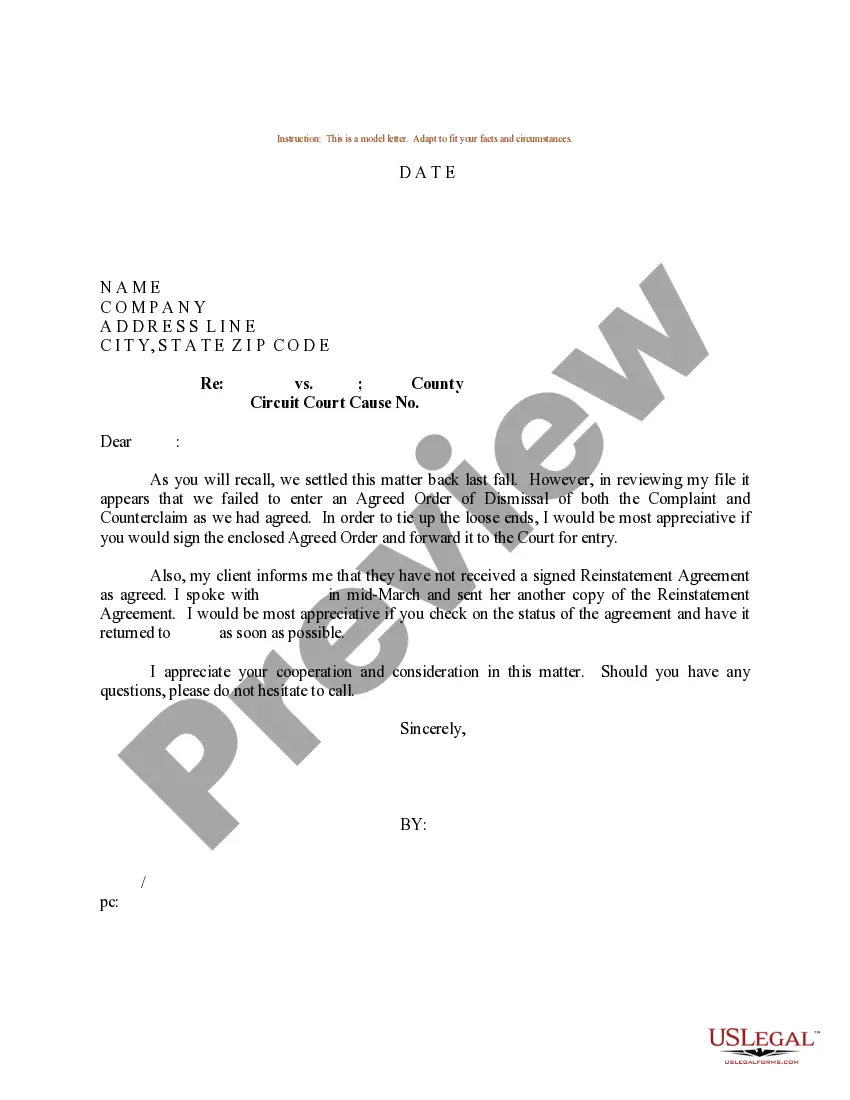
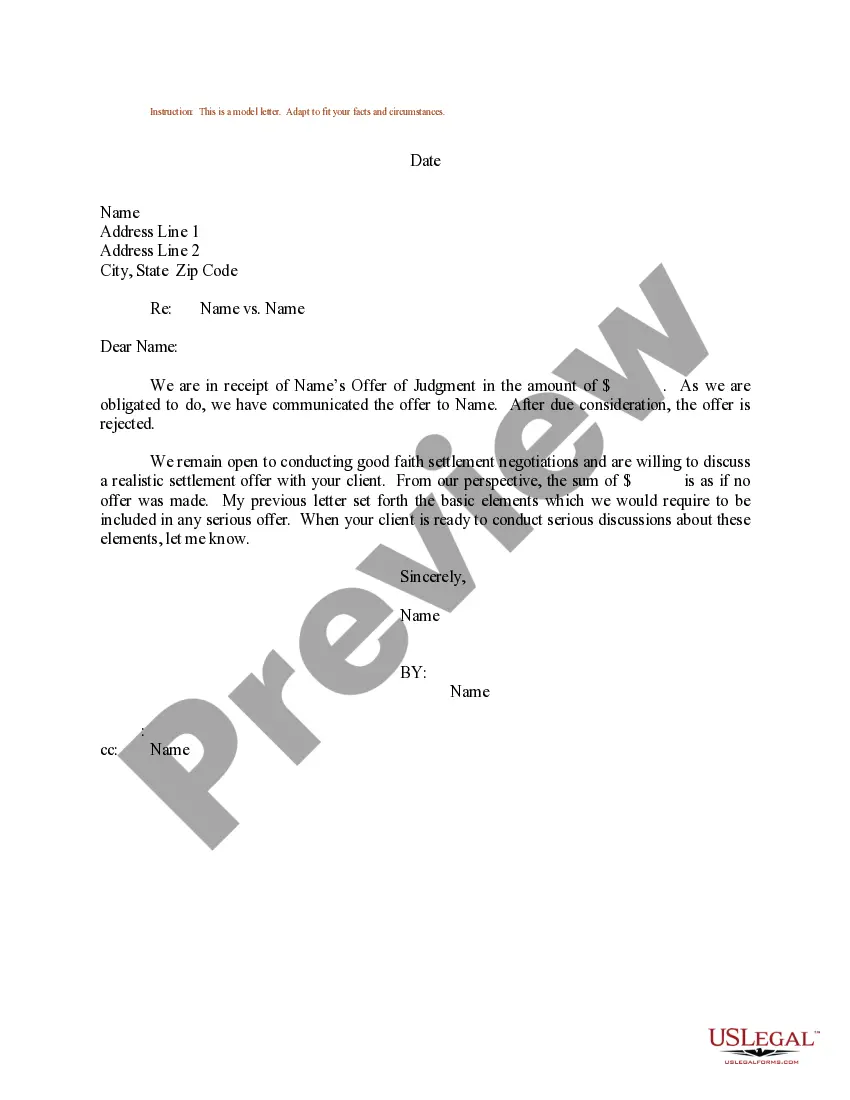
Get your form ready online
Our built-in tools help you complete, sign, share, and store your documents in one place.
Make edits, fill in missing information, and update formatting in US Legal Forms—just like you would in MS Word.
Download a copy, print it, send it by email, or mail it via USPS—whatever works best for your next step.
Sign and collect signatures with our SignNow integration. Send to multiple recipients, set reminders, and more. Go Premium to unlock E-Sign.
If this form requires notarization, complete it online through a secure video call—no need to meet a notary in person or wait for an appointment.
We protect your documents and personal data by following strict security and privacy standards.

Make edits, fill in missing information, and update formatting in US Legal Forms—just like you would in MS Word.

Download a copy, print it, send it by email, or mail it via USPS—whatever works best for your next step.

Sign and collect signatures with our SignNow integration. Send to multiple recipients, set reminders, and more. Go Premium to unlock E-Sign.

If this form requires notarization, complete it online through a secure video call—no need to meet a notary in person or wait for an appointment.

We protect your documents and personal data by following strict security and privacy standards.
Looking for another form?









Form popularity
FAQ
Once you put a settlement on the record, you cannot change your mind unless there were misrepresentations made to you and you relied on those representations to enter into the settlement agreement.
File a Lawsuit If negotiations fail, filing a lawsuit may be necessary. Courts expect parties to attempt out-of-court settlements first. A solid case showing the insurance company's likely loss in court can bring them back to the negotiation table.
Extended Claims Process: Declining an offer can lengthen the resolution process, which may be challenging if immediate financial needs are pressing. Possible Legal Action: If negotiations don't yield a satisfactory offer, a lawsuit may become necessary, requiring additional time and resources.
I am writing in response to the settlement offer you presented on Settlement Offer Date, related to claim number Claim Number for the incident that occurred on Incident Date. After careful consideration, I must reject this offer as it does not meet my needs based on the severity and ongoing nature of my injuries.
If you choose to reject the low settlement offer, you must communicate your decision to the claims adjuster. Your legal representative can help you write a letter that states your intentions. Within the letter, you can indicate that you reject the offer and highlight why you deserve a higher settlement amount.
I am writing in response to the settlement offer you presented on Settlement Offer Date, related to claim number Claim Number for the incident that occurred on Incident Date. After careful consideration, I must reject this offer as it does not meet my needs based on the severity and ongoing nature of my injuries.
Thank you so much for offering me the Job Title position at Company Name. I truly appreciate the time and effort you and your team put into considering my application and offering me this opportunity. After much consideration and reflection, I have decided that I must decline the offer.
Countering a Low Insurance Settlement Offer State that the offer you received is unacceptable. Refute any statements in the adjustor's letter that are inaccurate and damaging to your claim. Re-state an acceptable figure. Explain why your counteroffer is appropriate, including the reasons behind your general damage demands.
If, after you have thought about reasonableness and the policy limit, you still think the offer you have is too low, you can reject it. Always reject a settlement offer in writing. Type a letter to your contact at the insurance company listing the reasons you think that their offer is too low.

