Settlement Offer Rejection Letter Sample For Collection Agency In Collin
Description


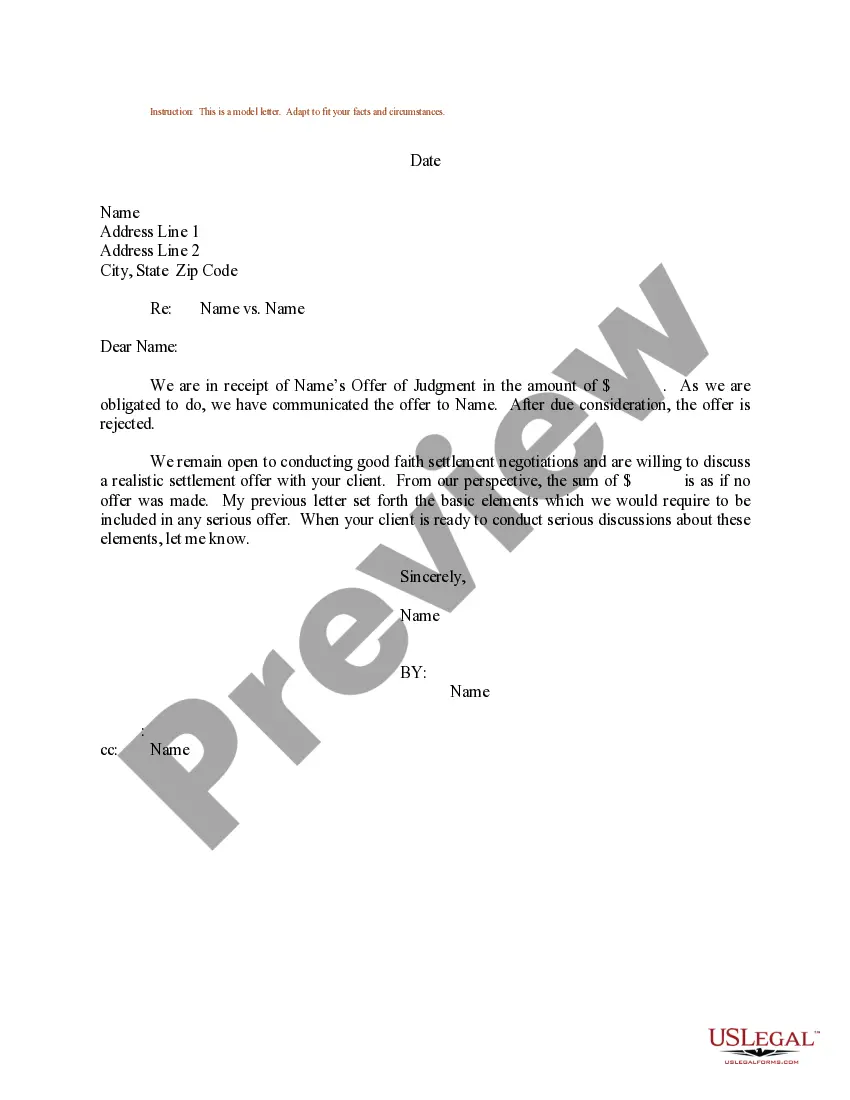
Get your form ready online
Our built-in tools help you complete, sign, share, and store your documents in one place.
Make edits, fill in missing information, and update formatting in US Legal Forms—just like you would in MS Word.
Download a copy, print it, send it by email, or mail it via USPS—whatever works best for your next step.
Sign and collect signatures with our SignNow integration. Send to multiple recipients, set reminders, and more. Go Premium to unlock E-Sign.
If this form requires notarization, complete it online through a secure video call—no need to meet a notary in person or wait for an appointment.
We protect your documents and personal data by following strict security and privacy standards.

Make edits, fill in missing information, and update formatting in US Legal Forms—just like you would in MS Word.

Download a copy, print it, send it by email, or mail it via USPS—whatever works best for your next step.

Sign and collect signatures with our SignNow integration. Send to multiple recipients, set reminders, and more. Go Premium to unlock E-Sign.

If this form requires notarization, complete it online through a secure video call—no need to meet a notary in person or wait for an appointment.

We protect your documents and personal data by following strict security and privacy standards.
Looking for another form?




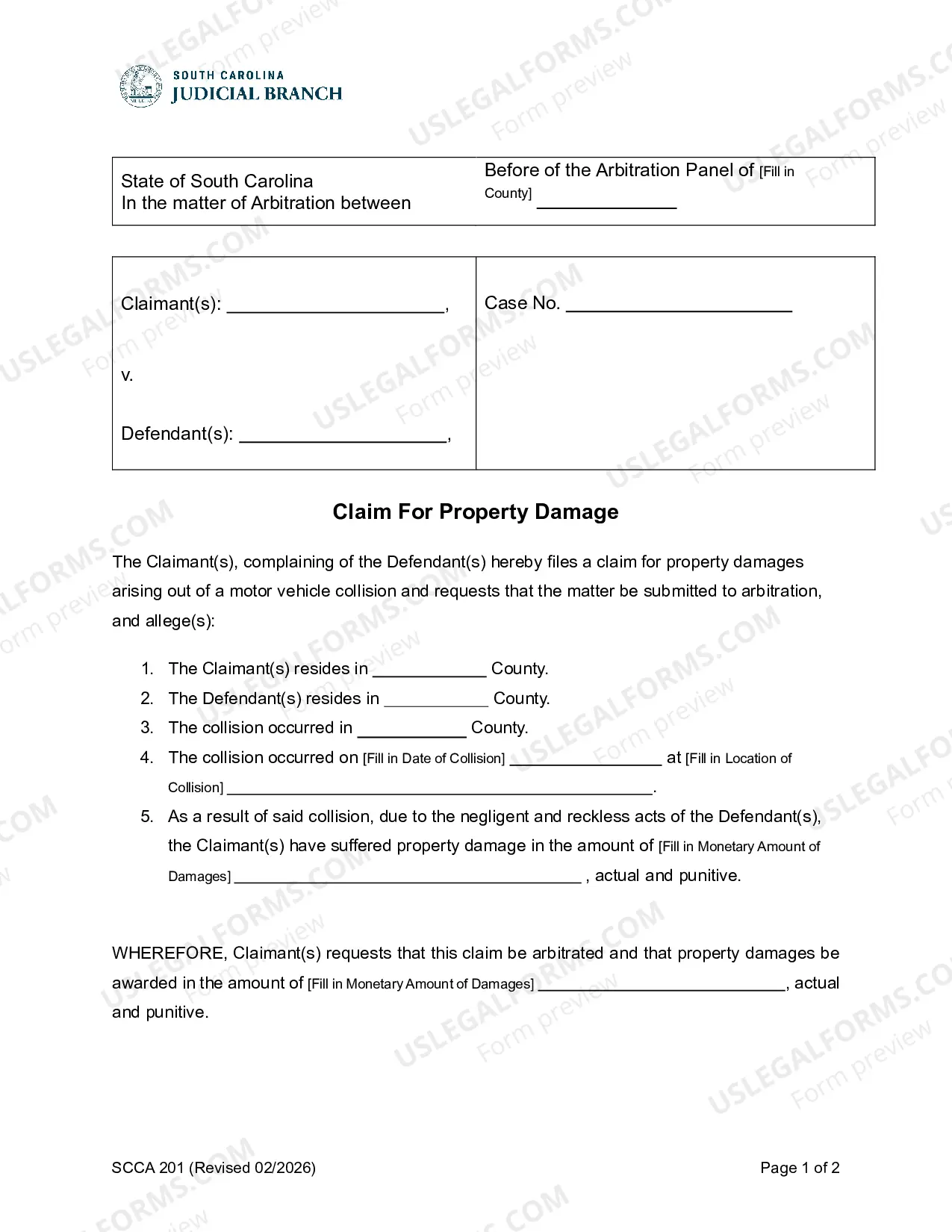





Form popularity
FAQ
I am writing in response to the settlement offer you presented on Settlement Offer Date, related to claim number Claim Number for the incident that occurred on Incident Date. After careful consideration, I must reject this offer as it does not meet my needs based on the severity and ongoing nature of my injuries.
Settlement is simply quicker, easier, and cheaper than going through a trial. One of the first steps in settling a case is to write and send a settlement demand letter to the party responsible for paying your claim—typically, an insurance company. You need to draft your demand letter with care.
I am writing this letter to state that on _ (Day) i.e. (Date), I got relieved from your _ (Company/ Organization) but my full and final settlement has not been done. I request you to kindly do the full and final settlement and send me all dues (if any).
Frequently Asked Questions (FAQ) Type your letter. Concisely review the main facts. Be polite. Write with your goal in mind. Ask for exactly what you want. Set a deadline. End the letter by stating you will promptly pursue legal remedies if the other party does not meet your demand. Make and keep copies.
The Nuts and Bolts of a Demand Letter Gather complete information before you start writing. Describe your injuries and medical treatment. List your medical expenses, lost wages, and non-economic damages. Make a settlement demand. Include a deadline for legal action if you want to, but don't bluff.
Be sure you send your letter to the appropriate person, whether that be an insurance adjuster or an attorney. Make it clear that you are rejecting their initial offer and include your reasons for doing so. If they provided written reasons for their low initial figure, you should also respond to those in writing.
Specifically, the rule states that a debt collector cannot: Make more than seven calls within a seven-day period to a consumer regarding a specific debt. Call a consumer within seven days after having a telephone conversation about that debt.
Be sure you send your letter to the appropriate person, whether that be an insurance adjuster or an attorney. Make it clear that you are rejecting their initial offer and include your reasons for doing so. If they provided written reasons for their low initial figure, you should also respond to those in writing.
There is absolutely no difference scorewise between paying in full or settling for less, so it's almost always better to accept settlement offers if available. There are a few cases where paying in full may be the better option, but not many.
A settlement doesn't negatively affect your credit scores. There is absolutely no difference scorewise between paying in full or settling for a lesser amount. The account will stay on your reports for 7 years from the date the account first went delinquent.

