Sample Letter For Settlement In Collin
Description

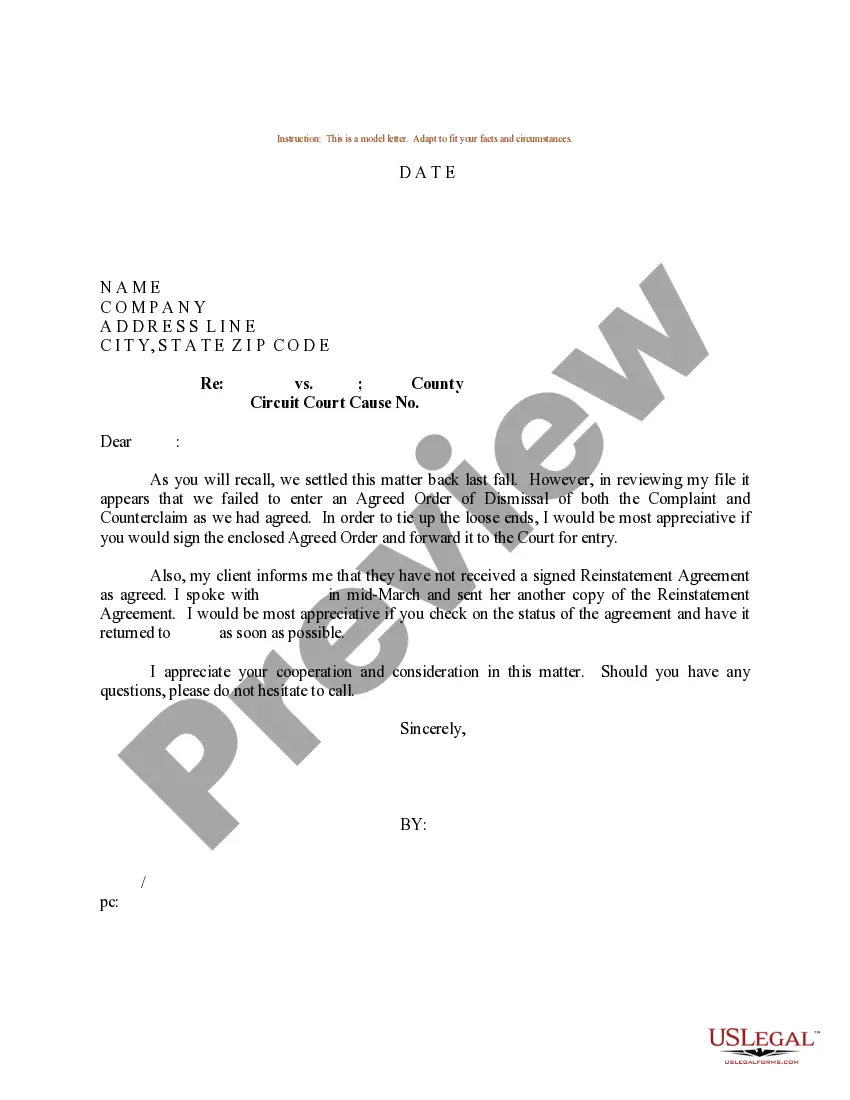
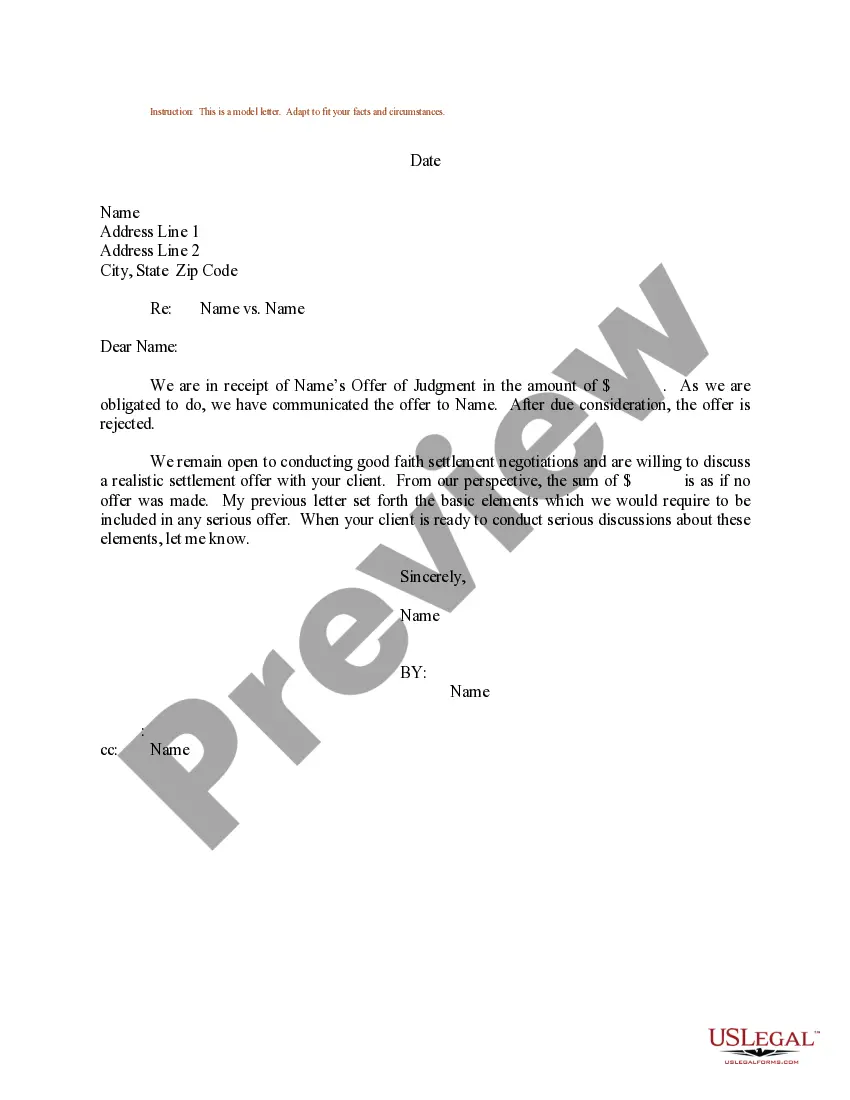
Get your form ready online
Our built-in tools help you complete, sign, share, and store your documents in one place.
Make edits, fill in missing information, and update formatting in US Legal Forms—just like you would in MS Word.
Download a copy, print it, send it by email, or mail it via USPS—whatever works best for your next step.
Sign and collect signatures with our SignNow integration. Send to multiple recipients, set reminders, and more. Go Premium to unlock E-Sign.
If this form requires notarization, complete it online through a secure video call—no need to meet a notary in person or wait for an appointment.
We protect your documents and personal data by following strict security and privacy standards.

Make edits, fill in missing information, and update formatting in US Legal Forms—just like you would in MS Word.

Download a copy, print it, send it by email, or mail it via USPS—whatever works best for your next step.

Sign and collect signatures with our SignNow integration. Send to multiple recipients, set reminders, and more. Go Premium to unlock E-Sign.

If this form requires notarization, complete it online through a secure video call—no need to meet a notary in person or wait for an appointment.

We protect your documents and personal data by following strict security and privacy standards.
Looking for another form?



Form popularity
FAQ
Collin County, Texas contains 13 judicial districts, one Probate Court, one county court, and six County Courts at Law.
The geographical area served by each court is established by the Legislature, but each county must be served by at least one district court. In sparsely populated areas of the State, several counties may be served by a single district court, while an urban county may be served by many district courts.
Collin County, Texas contains 13 judicial districts, one Probate Court, one county court, and six County Courts at Law. The United States District Court for the Eastern District of Texas has jurisdiction in Collin County. Appeals from the Eastern District go to the United States Court of Appeals for the 5th Circuit.
There are 94 district courts in the U.S. And they try both civil and criminal cases.MoreThere are 94 district courts in the U.S. And they try both civil and criminal cases.
File a Motion for Contempt. If informal resolution attempts fail, your attorney can assist you in filing a motion for contempt with the Collin County court. This motion notifies the court of the other party's failure to comply with the court order and seeks enforcement.
There are 94 district courts, 13 circuit courts, and one Supreme Court throughout the country. Courts in the federal system work differently in many ways than state courts. The primary difference for civil cases (as opposed to criminal cases) is the types of cases that can be heard in the federal system.
If you accept a settlement offer, you and the other party will sign it. The document will outline the settlement's terms, including the agreed-upon compensation amount. You should read it entirely and ensure you understand it. A settlement agreement is legally binding—once you sign it, you cannot change it.
There is absolutely no difference scorewise between paying in full or settling for less, so it's almost always better to accept settlement offers if available. There are a few cases where paying in full may be the better option, but not many.
I am writing to request a full and final settlement of my payroll. As you know, I have recently resigned from my position at the company. I formally request that you process all outstanding payments owed as soon as possible. This includes any unpaid salary or benefits due to me until my last working day.
The Nuts and Bolts of a Demand Letter Gather complete information before you start writing. Describe your injuries and medical treatment. List your medical expenses, lost wages, and non-economic damages. Make a settlement demand. Include a deadline for legal action if you want to, but don't bluff.

